THE ADVENTURE COLLECTIVE® · Independent discovery and booking for outdoor travel

Drop beneath Unawatuna’s clear coastal waters to explore coral gardens and the century-old SS Rangoon wreck. This two-hour dive includes equipment and instructor-led options for non-certified divers.
Drop beneath Unawatuna’s clear coastal waters to explore coral gardens and the century-old SS Rangoon wreck. This two-hour dive includes equipment and instructor-led options for non-certified divers.
Salt stings the nose as the boat threads Unawatuna Bay at first light and the water opens like a cool, living map beneath you. Divers slip over the rail into turquoise that quickly deepens to Atlantic blue; coral bommies squat like small citadels and fish carve silent lanes through them. The SS Rangoon—an upright British steamer—sits deeper outshore, its steel ribs colonized by anemones and shoals.
Verified experiences and guided adventures in the surrounding area.
Operated by Lakpura LLC · Unawatuna, Southern Province
Salt stings the nose as the boat threads Unawatuna Bay at first light and the water opens like a cool, living map beneath you. Divers slip over the rail into turquoise that quickly deepens to Atlantic blue; coral bommies squat like small citadels and fish carve silent lanes through them. The SS Rangoon—an upright British steamer—sits deeper outshore, its steel ribs colonized by anemones and shoals.
This stretch of the southern coast has been a crossroads for traders and wrecks since the colonial era; old steamers and trading sloops now form artificial reefs. Geologically the seabed alternates between sandy plains and rocky outcrops created by coastal currents and reef growth, so visibility and marine life vary with tides and monsoon cycles. Local fishing villages maintain a quiet relationship with the sea—boats launch before dawn and nets return heavy with snapper.
Practically: trips run about two hours on-site and include equipment and instruction. Certified PADI divers may dive independently; beginners receive a short skills session and an instructor escort. The best months for clear water are November to April when the southwest monsoon is lightest and visibility peaks.
Expect currents that can feel like a slow push; reefs and wrecks demand buoyancy control more than brute strength. Bring a reef-safe sunscreen, a camera in an underwater housing, and plan surface intervals if you’re doing two dives.
Timing matters: early morning means calmer seas and clearer light for photos, while afternoons can bring chop and reduced visibility. Respect local guides—their knowledge keeps both reefs and divers safe.
moderate.
2 hours (on-site).
Good general fitness and basic swimming ability; participants should be able to climb a ladder onto a boat and perform shallow water skills.
No—certified PADI divers may dive independently; non-certified guests receive a basic training session and are accompanied by an instructor.
Water temps are generally 26–29°C (79–84°F); visibility varies by season but is usually best from November to April, often 10–20 meters.
The Rangoon lies around 32 meters deep—suitable for certified divers; shallower reef sites are used for beginner dives.
Participants should be in good cardiovascular health, not pregnant, and have no recent spinal injuries; operators typically require basic swimming ability.
Unawatuna’s coast has long been a maritime corridor; colonial-era wrecks like the SS Rangoon reflect steam-era trade routes and coastal navigation hazards.
Local dive operators encourage no-touch policies and use of reef-safe products; small-group diving reduces physical impact on sensitive reef sites.
Lakpura LLC operates guided outdoor trips and adventures with an emphasis on safety, stewardship, and memorable experiences.
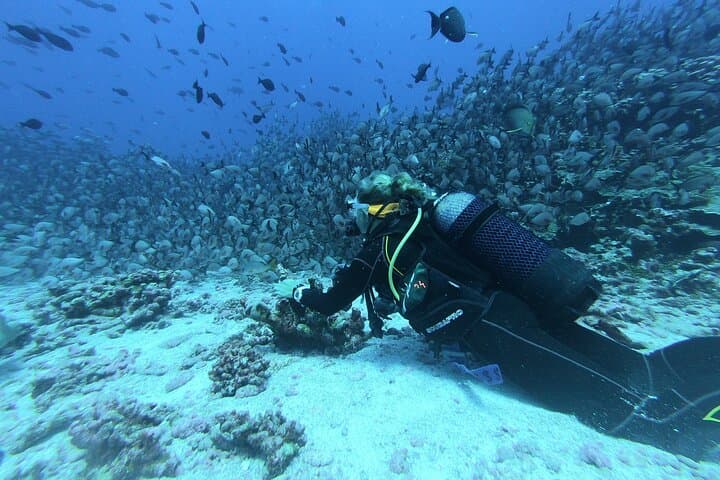
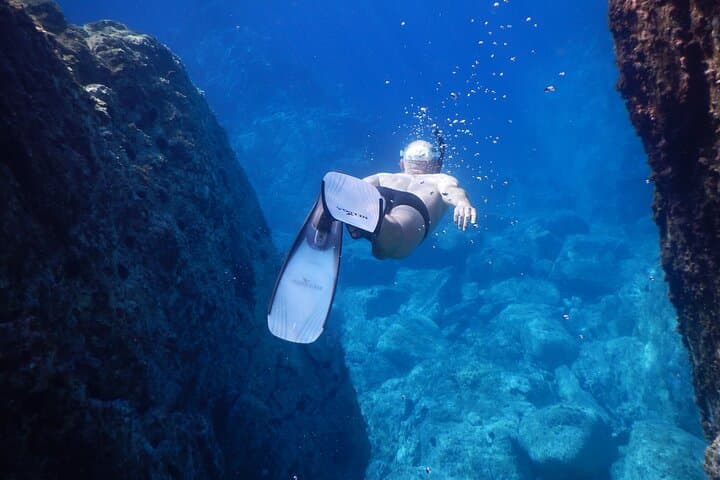
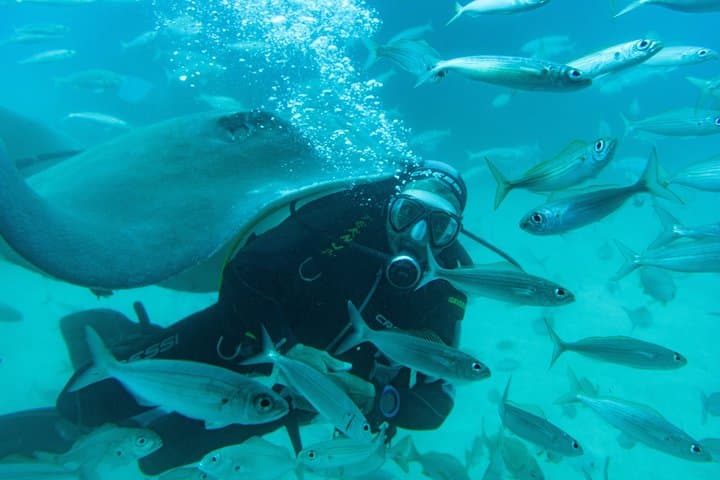
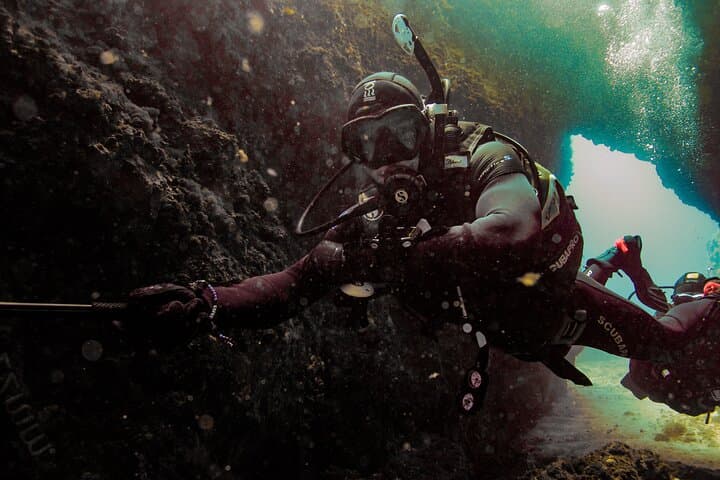
Salt stings the nose as the boat threads Unawatuna Bay at first light and the water opens like a cool, living map beneath you. Divers slip over the rail into turquoise that quickly deepens to Atlantic blue; coral bommies squat like small citadels and fish carve silent lanes through them. The SS Rangoon—an upright British steamer—sits deeper outshore, its steel ribs colonized by anemones and shoals.
Salt stings the nose as the boat threads Unawatuna Bay at first light and the water opens like a cool, living map beneath you. Divers slip over the rail into turquoise that quickly deepens to Atlantic blue; coral bommies squat like small citadels and fish carve silent lanes through them. The SS Rangoon—an upright British steamer—sits deeper outshore, its steel ribs colonized by anemones and shoals.
This stretch of the southern coast has been a crossroads for traders and wrecks since the colonial era; old steamers and trading sloops now form artificial reefs. Geologically the seabed alternates between sandy plains and rocky outcrops created by coastal currents and reef growth, so visibility and marine life vary with tides and monsoon cycles. Local fishing villages maintain a quiet relationship with the sea—boats launch before dawn and nets return heavy with snapper.
Practically: trips run about two hours on-site and include equipment and instruction. Certified PADI divers may dive independently; beginners receive a short skills session and an instructor escort. The best months for clear water are November to April when the southwest monsoon is lightest and visibility peaks.
Expect currents that can feel like a slow push; reefs and wrecks demand buoyancy control more than brute strength. Bring a reef-safe sunscreen, a camera in an underwater housing, and plan surface intervals if you’re doing two dives.
Timing matters: early morning means calmer seas and clearer light for photos, while afternoons can bring chop and reduced visibility. Respect local guides—their knowledge keeps both reefs and divers safe.