THE ADVENTURE COLLECTIVE® · Independent discovery and booking for outdoor travel

Private Umrah guides pair logistical support with ritual guidance, moving pilgrims efficiently between the Grand Mosque in Makkah and the Prophet’s Mosque in Medina. Expect airport transfers, visa help, and English/Urdu-speaking scholars to lead and explain the rites.
Private Umrah guides pair logistical support with ritual guidance, moving pilgrims efficiently between the Grand Mosque in Makkah and the Prophet’s Mosque in Medina. Expect airport transfers, visa help, and English/Urdu-speaking scholars to lead and explain the rites.
You arrive under the pulse of the call to prayer, a crowd moving with purpose across cool marble and shaded colonnades. Guides in plain dress offer a steadying hand; minibuses and luxury vans sit ready to ferry small groups between the Grand Mosque in Makkah and the Prophet’s Mosque in Medina.
Verified experiences and guided adventures in the surrounding area.
Operated by Traveltoharam Transfers · Makkah, Makkah Province
You arrive under the pulse of the call to prayer, a crowd moving with purpose across cool marble and shaded colonnades. Guides in plain dress offer a steadying hand; minibuses and luxury vans sit ready to ferry small groups between the Grand Mosque in Makkah and the Prophet’s Mosque in Medina.
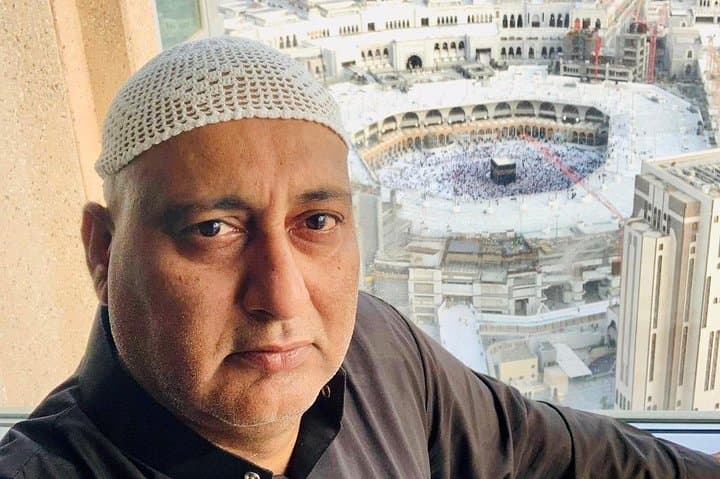
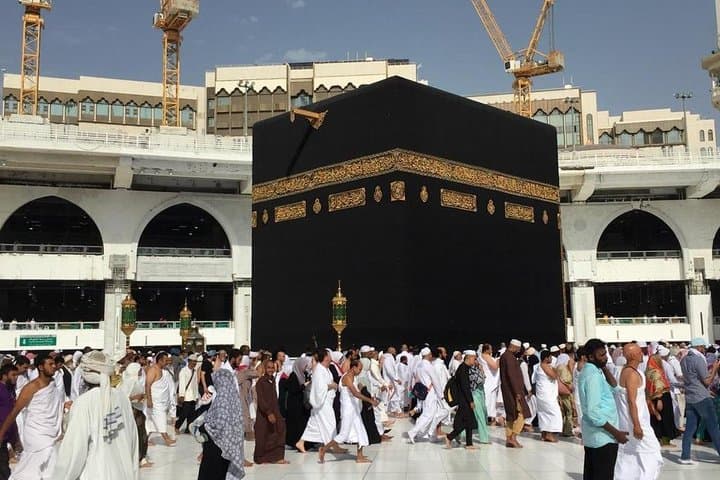
The itinerary follows routes that have shaped Islamic pilgrimage for fourteen centuries: routes into the Hijaz, the limestone ridges that define the Hejaz valley, and cities that grew around wells and caravan trade. Makkah’s Kaaba is the ritual center; Medina’s Rawdah invites quiet reflection. Local culture is informed by strict modesty codes, a rhythm of prayer five times a day, and hospitality practiced through discreet, efficient services from licensed operators.
Practically, expect flexible half-day to full-day options: private pick-up from airport or hotel, step-by-step assistance for Umrah rites from an English/Urdu-speaking Mualim, and visa facilitation when booked through a registered operator. Timing matters—avoid peak prayer windows and the days of Hajj if your aim is a quieter tawaf. Heat can be intense; plan early morning or late evening visits when possible. Mobility-accessible transport and hotel check-in assistance are commonly provided, but confirm wheelchair specifics in advance.
Pack modest, breathable clothing, good walking shoes, basic first aid, and all travel documents. Use the guide’s local WhatsApp support for timing, crowd routing, and emergency help. A professional guide can convert a stressful logistics day into a focused, respectful pilgrimage experience.
easy.
1–4 hours (per transfer or guided session).
Minimal fitness required; able to walk short distances and manage stairs for some mosque approaches
Most nationalities require a tourist or Umrah visa—book through the operator or your consulate and confirm the type of visa provided in the package.
Yes; this operator advertises English and Urdu-speaking Mualim who can lead rites and explain procedures to groups.
Transportation and surfaces are listed as wheelchair-accessible, but confirm vehicle type and assistance level when you book to ensure compatibility.
Yes; luxury pick-up/drop-off and check-in assistance are included—confirm flight details and arrival times at booking.
Makkah and Medina are the cradle cities of Islam; pilgrimage traditions trace back to the Prophet Muhammad and earlier caravan routes that shaped the Hijaz.
High visitor volumes stress local infrastructure—follow waste disposal rules, avoid single-use plastics when possible, and respect designated prayer and heritage areas to reduce impact.
Traveltoharam Transfers operates guided outdoor trips and adventures with an emphasis on safety, stewardship, and memorable experiences.
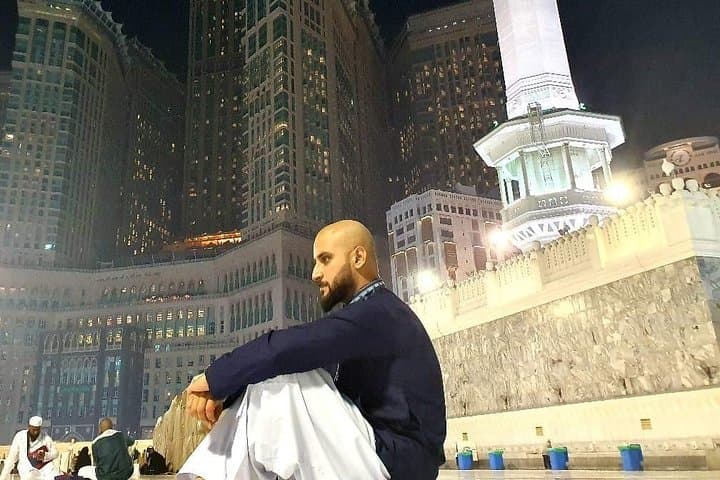
You arrive under the pulse of the call to prayer, a crowd moving with purpose across cool marble and shaded colonnades. Guides in plain dress offer a steadying hand; minibuses and luxury vans sit ready to ferry small groups between the Grand Mosque in Makkah and the Prophet’s Mosque in Medina.
You arrive under the pulse of the call to prayer, a crowd moving with purpose across cool marble and shaded colonnades. Guides in plain dress offer a steadying hand; minibuses and luxury vans sit ready to ferry small groups between the Grand Mosque in Makkah and the Prophet’s Mosque in Medina.
The itinerary follows routes that have shaped Islamic pilgrimage for fourteen centuries: routes into the Hijaz, the limestone ridges that define the Hejaz valley, and cities that grew around wells and caravan trade. Makkah’s Kaaba is the ritual center; Medina’s Rawdah invites quiet reflection. Local culture is informed by strict modesty codes, a rhythm of prayer five times a day, and hospitality practiced through discreet, efficient services from licensed operators.
Practically, expect flexible half-day to full-day options: private pick-up from airport or hotel, step-by-step assistance for Umrah rites from an English/Urdu-speaking Mualim, and visa facilitation when booked through a registered operator. Timing matters—avoid peak prayer windows and the days of Hajj if your aim is a quieter tawaf. Heat can be intense; plan early morning or late evening visits when possible. Mobility-accessible transport and hotel check-in assistance are commonly provided, but confirm wheelchair specifics in advance.
Pack modest, breathable clothing, good walking shoes, basic first aid, and all travel documents. Use the guide’s local WhatsApp support for timing, crowd routing, and emergency help. A professional guide can convert a stressful logistics day into a focused, respectful pilgrimage experience.