THE ADVENTURE COLLECTIVE® · Independent discovery and booking for outdoor travel

Ascend Umm Al-Biyara for a rare, elevated perspective of Petra—a challenging 7–8 hour hike that climbs past Edomite cisterns to panoramic views of the ancient city. Practical advice and route expectations inside.
Ascend Umm Al-Biyara for a rare, elevated perspective of Petra—a challenging 7–8 hour hike that climbs past Edomite cisterns to panoramic views of the ancient city. Practical advice and route expectations inside.
You break from the shade of the colonnaded avenue and the rock tightens around you—Petra’s walls retreat below as a narrow switchback eats at the slope. The climb to Umm Al-Biyara pulls you upward out of the canyon’s cool and into open, wind-swept stone; the city’s tomb facades shrink into a miniature amphitheater and the valley seems to hold its breath.
Verified experiences and guided adventures in the surrounding area.
Operated by Jordan Horizon Tours · Wadi Musa, Ma'an Governorate
You break from the shade of the colonnaded avenue and the rock tightens around you—Petra’s walls retreat below as a narrow switchback eats at the slope. The climb to Umm Al-Biyara pulls you upward out of the canyon’s cool and into open, wind-swept stone; the city’s tomb facades shrink into a miniature amphitheater and the valley seems to hold its breath.
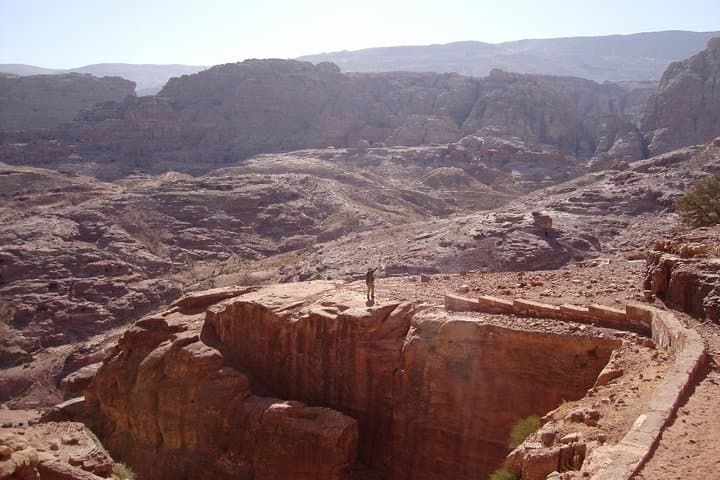
Umm Al-Biyara—“Mother of Cisterns”—is Petra’s highest promontory, crowned with Edomite foundations and later Nabataean and Roman additions, including cisterns and a bath complex that surveyed the ancient city. The sandstone here wears horizontal banding; wind and rain have carved steep ledges and rounded steps. Locally, the peak served as a strategic lookout and a water catchment, making it central to Petra’s survival and ritual landscape.
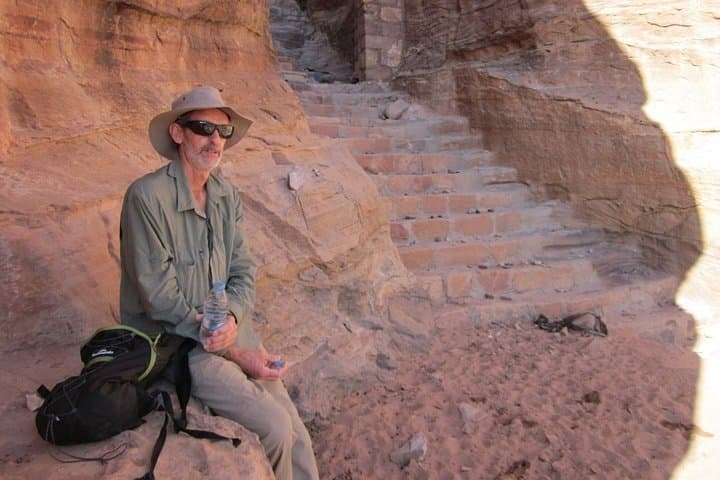
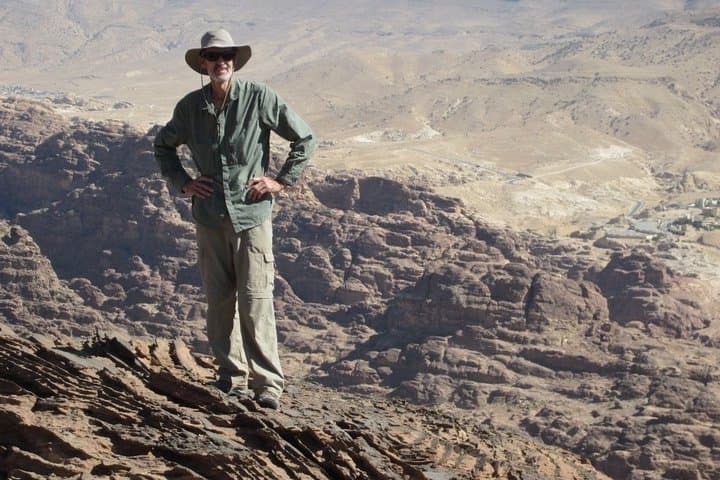
Expect a long, steep day hike: plan for roughly 7–8 hours round-trip, about 10–12 km total and 400–600 m of climbing depending on route, starting near Qasr al-Bint and returning the same way. Terrain alternates loose scree, carved steps and short scrambles—good footwear and steady legs are non-negotiable. Midday sun can be relentless; the slope offers little shade and the wind can either push you along or blast dust in your face. Carry more water than you think, move early to catch softer light and cooler air, and respect archaeological sites by staying on defined paths. The reward is uncompromised panoramas of Petra and the quiet archaeology of the summit—an elevated view that reframes the scale and ingenuity of the ancient city below.
challenging.
7–8 hours.
Requires high level of fitness: stamina for a long day, steady footing on steep terrain, and ability to carry necessary water.
A local guide is recommended—routes can be steep and route-finding helps protect archaeological areas; guides also share historical context and manage logistics.
Children in good hiking condition may manage shorter sections, but the full 7–8 hour climb is best for older teens and adults with stamina.
Facilities are limited; restrooms and water are available only at Petra’s main visitor areas—bring sufficient water and plan breaks accordingly.
Light, breathable layers, a sun hat, and sturdy hiking boots; evenings can be cool, so carry a light insulating layer if starting early or finishing late.
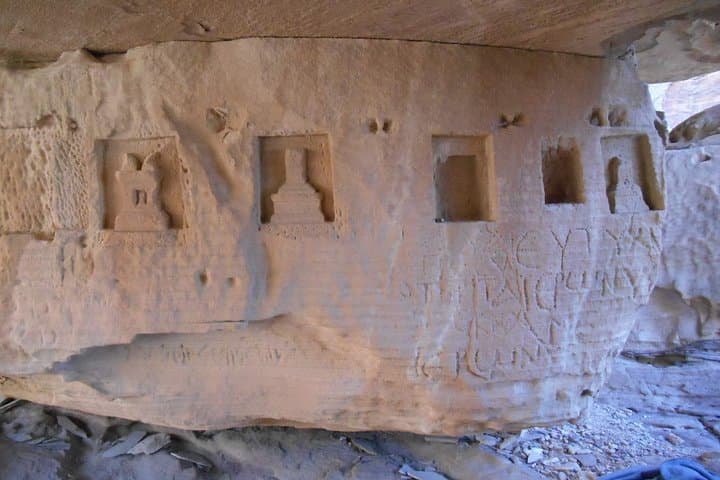
The summit preserves an Edomite stronghold and later Nabataean/Roman constructions including cisterns and a bath complex that monitored and collected rainfall for Petra below.
Petra is a fragile archaeological landscape; stick to marked routes, avoid touching carved facades, and carry out all waste—water scarcity and erosion are primary local concerns.
Jordan Horizon Tours operates guided outdoor trips and adventures with an emphasis on safety, stewardship, and memorable experiences.
You break from the shade of the colonnaded avenue and the rock tightens around you—Petra’s walls retreat below as a narrow switchback eats at the slope. The climb to Umm Al-Biyara pulls you upward out of the canyon’s cool and into open, wind-swept stone; the city’s tomb facades shrink into a miniature amphitheater and the valley seems to hold its breath.
You break from the shade of the colonnaded avenue and the rock tightens around you—Petra’s walls retreat below as a narrow switchback eats at the slope. The climb to Umm Al-Biyara pulls you upward out of the canyon’s cool and into open, wind-swept stone; the city’s tomb facades shrink into a miniature amphitheater and the valley seems to hold its breath.
Umm Al-Biyara—“Mother of Cisterns”—is Petra’s highest promontory, crowned with Edomite foundations and later Nabataean and Roman additions, including cisterns and a bath complex that surveyed the ancient city. The sandstone here wears horizontal banding; wind and rain have carved steep ledges and rounded steps. Locally, the peak served as a strategic lookout and a water catchment, making it central to Petra’s survival and ritual landscape.
Expect a long, steep day hike: plan for roughly 7–8 hours round-trip, about 10–12 km total and 400–600 m of climbing depending on route, starting near Qasr al-Bint and returning the same way. Terrain alternates loose scree, carved steps and short scrambles—good footwear and steady legs are non-negotiable. Midday sun can be relentless; the slope offers little shade and the wind can either push you along or blast dust in your face. Carry more water than you think, move early to catch softer light and cooler air, and respect archaeological sites by staying on defined paths. The reward is uncompromised panoramas of Petra and the quiet archaeology of the summit—an elevated view that reframes the scale and ingenuity of the ancient city below.