THE ADVENTURE COLLECTIVE® · Independent discovery and booking for outdoor travel

Explore a two‑hour guided walk through ancient fig groves inside uMkhuze Game Reserve. This half‑day experience pairs a game drive with close encounters in sand-forest habitat—ideal for birders and hikers seeking quieter wildlife viewing.
Explore a two‑hour guided walk through ancient fig groves inside uMkhuze Game Reserve. This half‑day experience pairs a game drive with close encounters in sand-forest habitat—ideal for birders and hikers seeking quieter wildlife viewing.
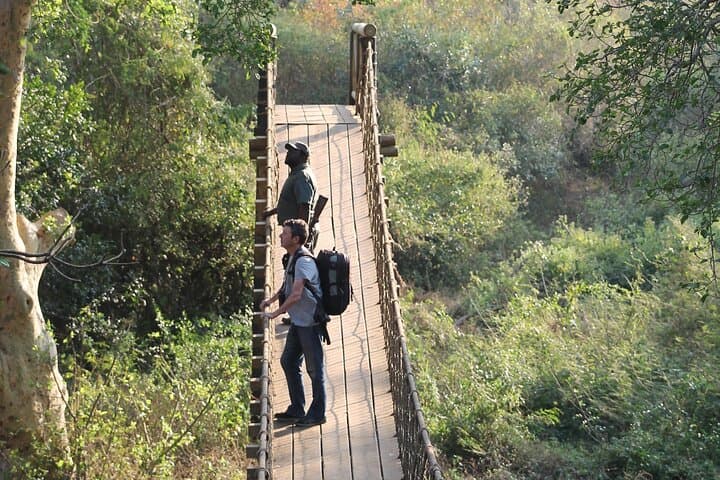
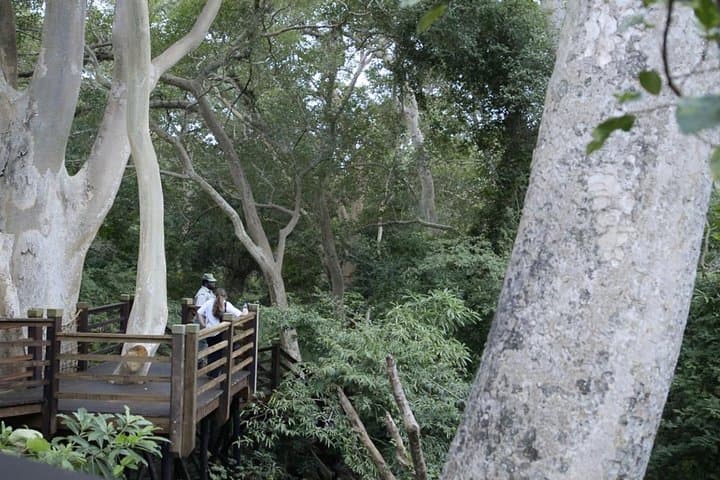
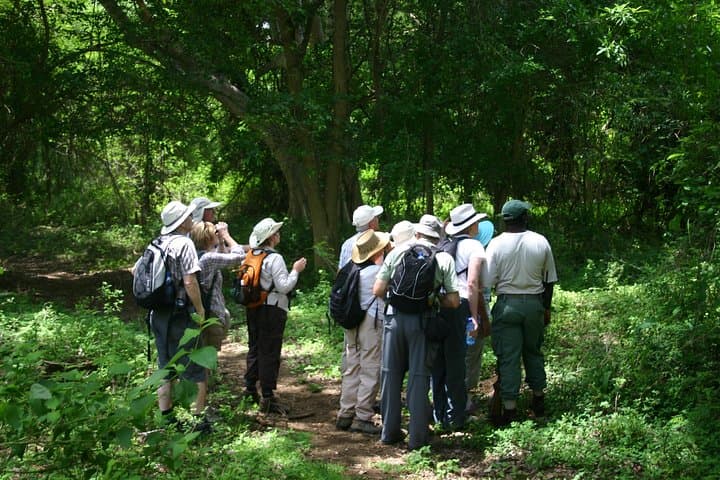
Morning light threads through a vault of fig branches as the guide leads the group off the game track and into a pocket of ancient forest. Leaves whisper; roots crisscross a soft, sandy floor that gives underfoot, and birds—loud, bright, insistent—announce themselves between cathedral-like trunks. The walk presses into a different rhythm than the open savanna: the forest deliberately keeps its own pace and invites close observation.
Verified experiences and guided adventures in the surrounding area.
Operated by Ghost Mountain Safaris · Mkuze, KwaZulu-Natal
Morning light threads through a vault of fig branches as the guide leads the group off the game track and into a pocket of ancient forest. Leaves whisper; roots crisscross a soft, sandy floor that gives underfoot, and birds—loud, bright, insistent—announce themselves between cathedral-like trunks. The walk presses into a different rhythm than the open savanna: the forest deliberately keeps its own pace and invites close observation.
The Fig Forest Walk sits inside uMkhuze Game Reserve, a conservation area in northern KwaZulu‑Natal that protects sand forests, pans and thickets unique to this stretch of South Africa. Geologically the ground is older, with well‑drained sands and groundwater seeps that allow large strangler and cluster figs to thrive. Culturally, these forests are important to local communities for traditional uses and as habitat for specialist birds and small mammals.
Practically, expect a two‑hour guided walk nested inside a half‑day visit—the listed tour runs about six hours including game drive transfers. Terrain is mostly flat but rooty; elevation change is minimal. Wildlife sightings are possible from the trail edge and on drive in/out—antelope and elephant tracks are common, and birding is excellent. Guides move deliberately to minimize disturbance and point out ecological relationships, from fruiting figs to pollinating bats.
Bring sturdy closed shoes, insect repellent and a small daypack. Morning or late afternoon departures give cooler temperatures and more activity. Respect the guide’s instructions: keep distance from wildlife, avoid loud noises, and carry water—bottled water is often provided but having your own supply is recommended.
moderate.
6 hours.
Moderate fitness required—able to walk 2 hours on uneven, rooty ground and climb in/out of safari vehicle.
The guided fig forest walk is about two hours; the total excursion including game drive transfers is approximately six hours.
Large mammals are more commonly seen from the vehicle, though tracks and occasional sightings near the forest edge do occur; close approaches are rare and discouraged by guides.
The walk is family‑friendly for children comfortable with a moderate hike and adults with reasonable mobility; mention special requirements when booking.
Typical inclusions are a professional guide, bottled water, and game drive transfers to/from the trailhead; confirm specifics with the operator when booking.
uMkhuze Game Reserve conserves rare sand-forest pockets and pans that support specialized species; it sits within a larger northern KwaZulu‑Natal conservation landscape.
Guided visits limit off-trail access to reduce disturbance; local reserves often work with community programs and anti‑poaching efforts to protect wildlife.
Ghost Mountain Safaris operates guided outdoor trips and adventures with an emphasis on safety, stewardship, and memorable experiences.
Morning light threads through a vault of fig branches as the guide leads the group off the game track and into a pocket of ancient forest. Leaves whisper; roots crisscross a soft, sandy floor that gives underfoot, and birds—loud, bright, insistent—announce themselves between cathedral-like trunks. The walk presses into a different rhythm than the open savanna: the forest deliberately keeps its own pace and invites close observation.
Morning light threads through a vault of fig branches as the guide leads the group off the game track and into a pocket of ancient forest. Leaves whisper; roots crisscross a soft, sandy floor that gives underfoot, and birds—loud, bright, insistent—announce themselves between cathedral-like trunks. The walk presses into a different rhythm than the open savanna: the forest deliberately keeps its own pace and invites close observation.
The Fig Forest Walk sits inside uMkhuze Game Reserve, a conservation area in northern KwaZulu‑Natal that protects sand forests, pans and thickets unique to this stretch of South Africa. Geologically the ground is older, with well‑drained sands and groundwater seeps that allow large strangler and cluster figs to thrive. Culturally, these forests are important to local communities for traditional uses and as habitat for specialist birds and small mammals.
Practically, expect a two‑hour guided walk nested inside a half‑day visit—the listed tour runs about six hours including game drive transfers. Terrain is mostly flat but rooty; elevation change is minimal. Wildlife sightings are possible from the trail edge and on drive in/out—antelope and elephant tracks are common, and birding is excellent. Guides move deliberately to minimize disturbance and point out ecological relationships, from fruiting figs to pollinating bats.
Bring sturdy closed shoes, insect repellent and a small daypack. Morning or late afternoon departures give cooler temperatures and more activity. Respect the guide’s instructions: keep distance from wildlife, avoid loud noises, and carry water—bottled water is often provided but having your own supply is recommended.