THE ADVENTURE COLLECTIVE® · Independent discovery and booking for outdoor travel

Ride the suspended escalator to the Floating Garden Observatory and take in 360° views of Osaka—from the Rokko foothills to Osaka Bay. This guide covers history, local culture, and practical tips to make the most of your visit.
Ride the suspended escalator to the Floating Garden Observatory and take in 360° views of Osaka—from the Rokko foothills to Osaka Bay. This guide covers history, local culture, and practical tips to make the most of your visit.
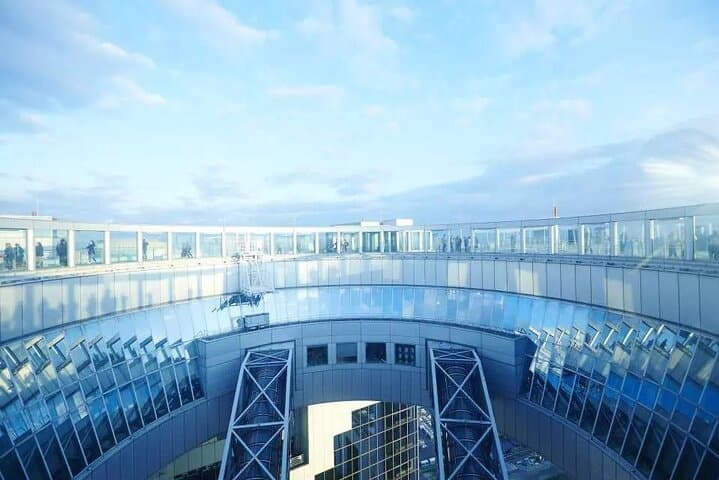
Step onto the open-air ring of the Kuchu Teien and the city unfolds in every direction: the low-rise maze of Kita, the glimmer of Osaka Bay to the west, and on clear days the dark ridgeline of the Rokko mountains to the north. The suspended escalator that carries you across the building’s split towers sets the tone—this is a viewpoint built to make you feel airborne.
Verified experiences and guided adventures in the surrounding area.
Operated by TrevoTour Travels · Osaka, Osaka
Step onto the open-air ring of the Kuchu Teien and the city unfolds in every direction: the low-rise maze of Kita, the glimmer of Osaka Bay to the west, and on clear days the dark ridgeline of the Rokko mountains to the north. The suspended escalator that carries you across the building’s split towers sets the tone—this is a viewpoint built to make you feel airborne.
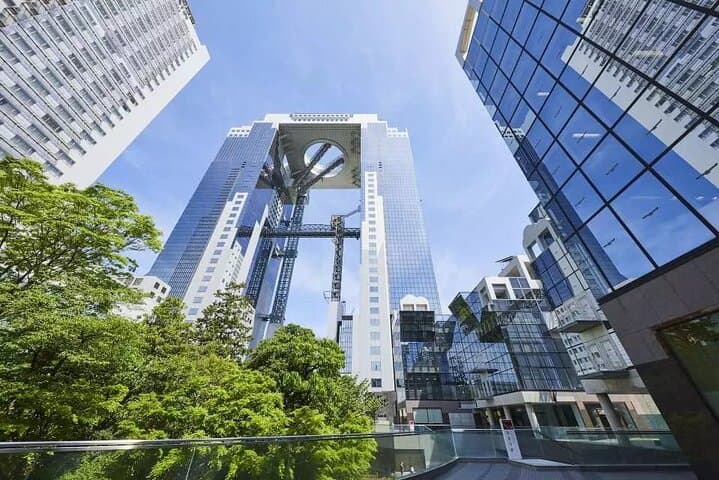
Completed in the early 1990s as part of Umeda’s redevelopment, the Umeda Sky Building was designed by Hiroshi Hara; its Floating Garden Observatory links two high-rise volumes and offers a rare urban rooftop experience. Geologically, you’re above the Osaka Plain—flat land filled in and reshaped over centuries—so views emphasize human scale rather than alpine relief. Culturally, this is a working city lookout: office towers, neon, and food alleys spill outward; below, Takimi-koji recreates Showa-era streets with ramen stalls and vintage signage.
Expect an accessible, easy visit: broad walkways, sheltered viewing platforms and an open-air deck exposed to wind. Sunset and night are busiest—city lights come alive but weather can close the rooftop. Practical tips: arrive near opening or mid-afternoon for clearer air, carry a light layer against the gusts, and leave room to explore the building’s basement food alleys and rooftop garden for quieter perspectives.
The experience pairs quick urban sightseeing with a tangible sense of place—bring a camera, time your visit around light, and treat the Sky Building as both viewpoint and urban hub rather than just a single photo stop.
easy.
1–2 hours.
Suitable for all fitness levels; involves minimal walking and stairs/elevators.
Yes—the Floating Garden Observatory includes an open-air deck; it may close in severe weather for safety.
Yes—elevators and accessible paths are available, though rooftop access can be limited during bad weather.
Most visitors spend 1–2 hours to see the observatory, enjoy panoramic views, and visit the building’s shops or food alley.
Both options are often available; purchasing in advance secures entry during busy times and avoids ticket lineups.
Designed by Hiroshi Hara and completed in the early 1990s, the Sky Building was part of Umeda’s urban renewal and is known for the suspended escalator linking its twin towers.
Watch for litter and respect signage; light pollution is high here—minimize flash photography at night and support local businesses to keep the area thriving.
TrevoTour Travels operates guided outdoor trips and adventures with an emphasis on safety, stewardship, and memorable experiences.

Step onto the open-air ring of the Kuchu Teien and the city unfolds in every direction: the low-rise maze of Kita, the glimmer of Osaka Bay to the west, and on clear days the dark ridgeline of the Rokko mountains to the north. The suspended escalator that carries you across the building’s split towers sets the tone—this is a viewpoint built to make you feel airborne.
Step onto the open-air ring of the Kuchu Teien and the city unfolds in every direction: the low-rise maze of Kita, the glimmer of Osaka Bay to the west, and on clear days the dark ridgeline of the Rokko mountains to the north. The suspended escalator that carries you across the building’s split towers sets the tone—this is a viewpoint built to make you feel airborne.
Completed in the early 1990s as part of Umeda’s redevelopment, the Umeda Sky Building was designed by Hiroshi Hara; its Floating Garden Observatory links two high-rise volumes and offers a rare urban rooftop experience. Geologically, you’re above the Osaka Plain—flat land filled in and reshaped over centuries—so views emphasize human scale rather than alpine relief. Culturally, this is a working city lookout: office towers, neon, and food alleys spill outward; below, Takimi-koji recreates Showa-era streets with ramen stalls and vintage signage.
Expect an accessible, easy visit: broad walkways, sheltered viewing platforms and an open-air deck exposed to wind. Sunset and night are busiest—city lights come alive but weather can close the rooftop. Practical tips: arrive near opening or mid-afternoon for clearer air, carry a light layer against the gusts, and leave room to explore the building’s basement food alleys and rooftop garden for quieter perspectives.
The experience pairs quick urban sightseeing with a tangible sense of place—bring a camera, time your visit around light, and treat the Sky Building as both viewpoint and urban hub rather than just a single photo stop.