THE ADVENTURE COLLECTIVE® · Independent discovery and booking for outdoor travel

Walk to beehives beneath a millenary olive tree and learn how Umbria’s soils and flowering cycles shape honey. This accessible one-hour tour mixes hands-on apiary insight with a guided tasting of local varietals.
Walk to beehives beneath a millenary olive tree and learn how Umbria’s soils and flowering cycles shape honey. This accessible one-hour tour mixes hands-on apiary insight with a guided tasting of local varietals.
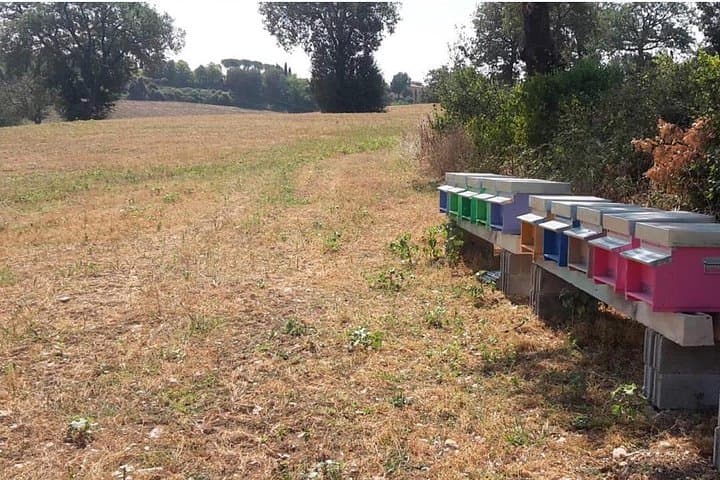
Morning light strips over Umbrian fields and the hum of bees threads through the air — that’s where this hour-long Honey Tour & Tasting begins. Guests walk from the farmhouse to working hives, moving past low stone walls and a millenary olive tree of Macciano whose gnarled limbs mark centuries of local agriculture. The scene is tactile: warm comb, the faint sweet sting of pollen, and a guide who points out how slope, soil and flowering cycles shape each jar.
Verified experiences and guided adventures in the surrounding area.
Operated by Oro di Giano · Perugia, Umbria
Morning light strips over Umbrian fields and the hum of bees threads through the air — that’s where this hour-long Honey Tour & Tasting begins. Guests walk from the farmhouse to working hives, moving past low stone walls and a millenary olive tree of Macciano whose gnarled limbs mark centuries of local agriculture. The scene is tactile: warm comb, the faint sweet sting of pollen, and a guide who points out how slope, soil and flowering cycles shape each jar.
Umbria’s landscape is limestone and clay; its long agricultural history blends Roman-era olive cultivation with rural beekeeping traditions that supported local diets and candle-making. On this tour participants learn simple geology and phenology — why chestnut and wildflower blooms deliver different honeys — and how extraction methods preserve flavor. Cultural context is practical: small-family operations, seasonal harvest rhythms and the olive tree’s role as a landmark in communal life.
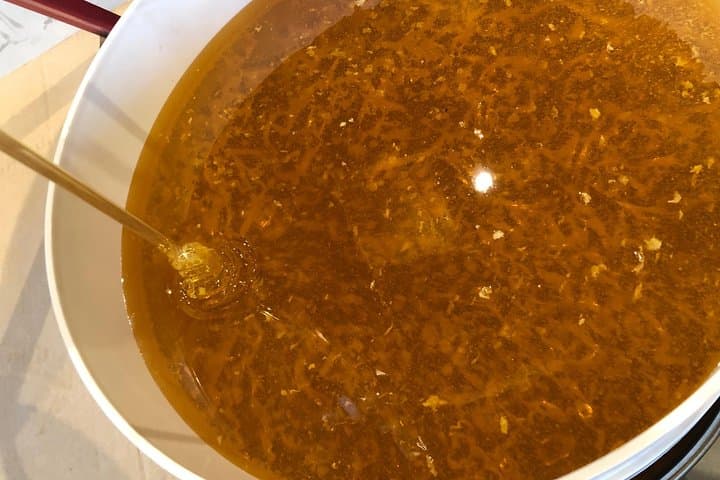
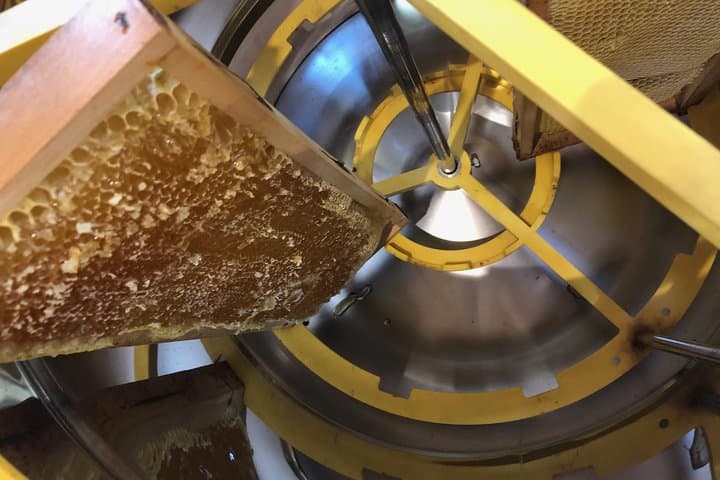
Expect a concise, guided walkthrough of apiary layout, hive inspection from a respectful distance, a demonstration of extraction, and a seated tasting of several varietals with water and bread to cleanse the palate. It’s accessible for most visitors and particularly rewarding for those who want to understand terroir beyond wine.
Practical notes: wear closed shoes, bring sun protection in summer, and keep voices low near hives. The experience pairs well with a short visit to nearby towns for regional fare and olive oil tasting — a compact, sensory primer on Umbrian agrarian craft.
easy.
1 hour.
Suitable for most fitness levels; requires short, flat to gently sloped walks over field tracks.
The experience lasts about 60 minutes, including the walk to the hives, a production explanation, and a tasting session.
Yes — the operator lists stroller and wheelchair accessibility and indicates the activity is physically easy.
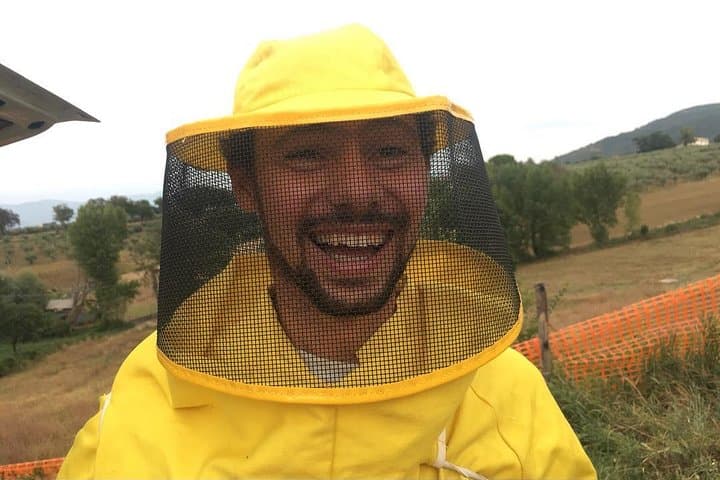
Participants observe hives under guide supervision; protective measures are used as needed and the guide will advise safe distances.
Most producers sell jars after tasting; ask the host about varieties and packaging before you leave.
Beekeeping and olive cultivation have coexisted in Umbria for centuries; small-scale producers maintain techniques passed down through family farms and adapt to flowering cycles shaped by the region’s mixed limestone soils.
Responsible beekeeping supports pollinator health and local biodiversity; visitors are asked not to disturb hives and to buy directly from producers to support sustainable small-scale agriculture.
Oro di Giano operates guided outdoor trips and adventures with an emphasis on safety, stewardship, and memorable experiences.
Morning light strips over Umbrian fields and the hum of bees threads through the air — that’s where this hour-long Honey Tour & Tasting begins. Guests walk from the farmhouse to working hives, moving past low stone walls and a millenary olive tree of Macciano whose gnarled limbs mark centuries of local agriculture. The scene is tactile: warm comb, the faint sweet sting of pollen, and a guide who points out how slope, soil and flowering cycles shape each jar.
Morning light strips over Umbrian fields and the hum of bees threads through the air — that’s where this hour-long Honey Tour & Tasting begins. Guests walk from the farmhouse to working hives, moving past low stone walls and a millenary olive tree of Macciano whose gnarled limbs mark centuries of local agriculture. The scene is tactile: warm comb, the faint sweet sting of pollen, and a guide who points out how slope, soil and flowering cycles shape each jar.
Umbria’s landscape is limestone and clay; its long agricultural history blends Roman-era olive cultivation with rural beekeeping traditions that supported local diets and candle-making. On this tour participants learn simple geology and phenology — why chestnut and wildflower blooms deliver different honeys — and how extraction methods preserve flavor. Cultural context is practical: small-family operations, seasonal harvest rhythms and the olive tree’s role as a landmark in communal life.
Expect a concise, guided walkthrough of apiary layout, hive inspection from a respectful distance, a demonstration of extraction, and a seated tasting of several varietals with water and bread to cleanse the palate. It’s accessible for most visitors and particularly rewarding for those who want to understand terroir beyond wine.
Practical notes: wear closed shoes, bring sun protection in summer, and keep voices low near hives. The experience pairs well with a short visit to nearby towns for regional fare and olive oil tasting — a compact, sensory primer on Umbrian agrarian craft.