THE ADVENTURE COLLECTIVE® · Independent discovery and booking for outdoor travel

Experience the cliffside drama of Uluwatu Temple at sunset: sea-carved limestone cliffs, an ancient Balinese shrine, and the hypnotic Kecak-fire dance. This concise guide tells you what to expect, how to prepare, and where to stand for the best views.
Experience the cliffside drama of Uluwatu Temple at sunset: sea-carved limestone cliffs, an ancient Balinese shrine, and the hypnotic Kecak-fire dance. This concise guide tells you what to expect, how to prepare, and where to stand for the best views.
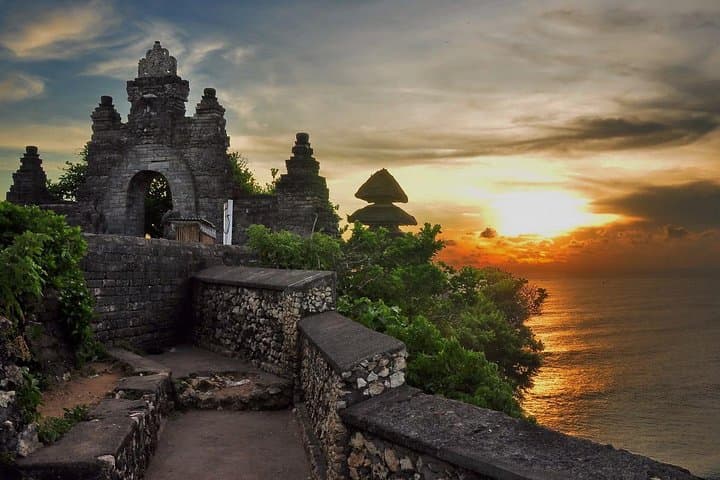
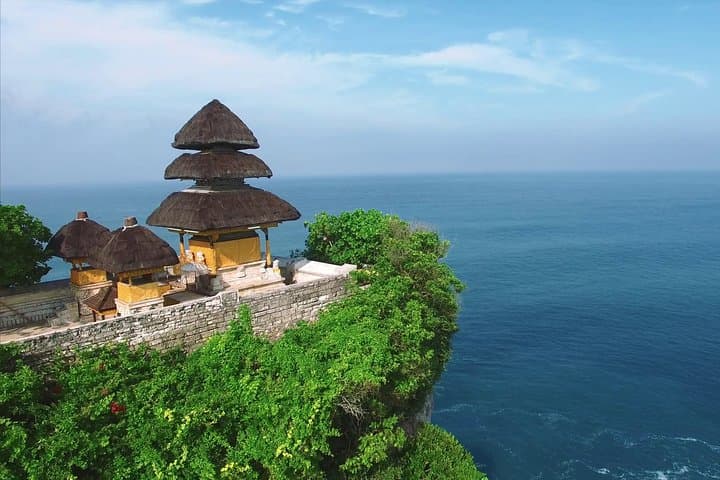
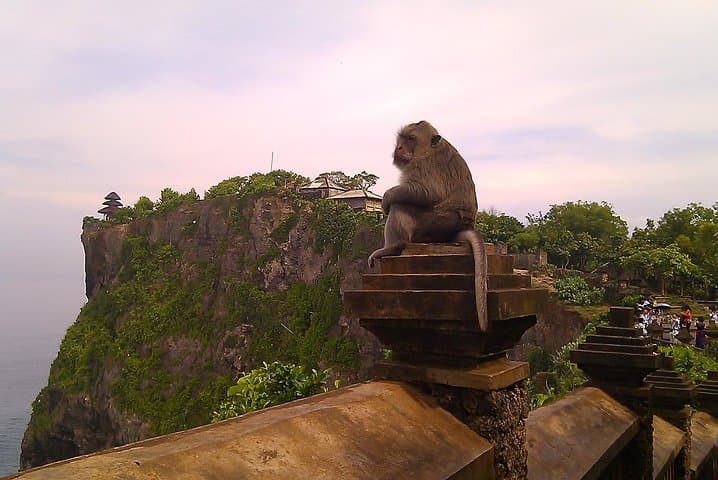
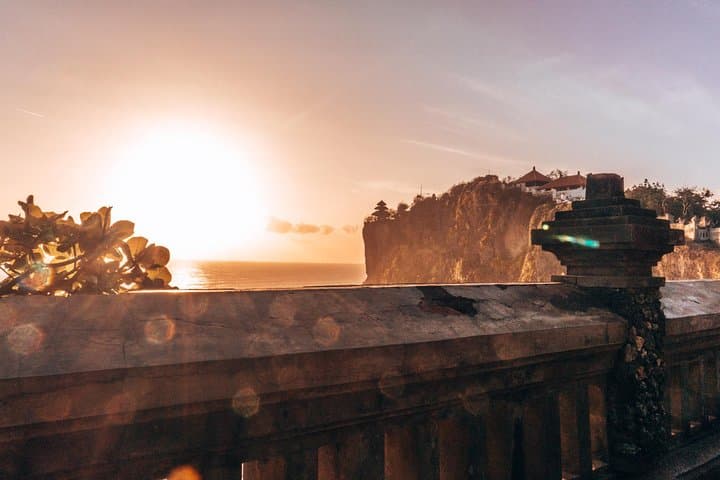
The late afternoon light pulls you toward the Bukit Peninsula where the Indian Ocean chisels a sheer edge into limestone. You arrive as gulls wheel and the surf calls from far below; the temple perches on a cliff, its red-brick walls and carved shrines outlined against the lowering sun. The place feels alive: priests tending shrines, tourists gathering at viewpoints, and long-tailed macaques moving like small conspirators among the stones.
Verified experiences and guided adventures in the surrounding area.
Operated by Bali Sightseeing · Pecatu (Uluwatu), Bali
The late afternoon light pulls you toward the Bukit Peninsula where the Indian Ocean chisels a sheer edge into limestone. You arrive as gulls wheel and the surf calls from far below; the temple perches on a cliff, its red-brick walls and carved shrines outlined against the lowering sun. The place feels alive: priests tending shrines, tourists gathering at viewpoints, and long-tailed macaques moving like small conspirators among the stones.
Uluwatu (Pura Luhur Uluwatu) is one of Bali’s sad kahyangan—six directional temples believed to protect the island. Built on uplifted coral limestone, the cliffs here reveal layers of marine deposits and the slow, steady work of waves. Culturally, the temple is a focal point for Balinese Hindu ritual and the evening Kecak-fire dance dramatizes Ramayana episodes using chant and choreography, staged on a clifftop amphitheater with the ocean as backdrop.
Expect uneven stone paths, steep stairs to viewpoints, and strong coastal winds at sunset. Entrance and private transport are typically included in organized tours; sarongs or modest clothing are required for temple access. Keep an eye on the macaques—pack items securely and observe from a distance. Plan to arrive at least 45–60 minutes before sunset for prime photo angles and to catch the Kecak performance. Hydrate and wear closed-toe shoes for cobbled paths. With attentive timing, the visit combines natural spectacle, living ritual, and easy coastal walking—a short but memorable immersion into Bali’s spiritual coast.
easy.
3–7 hours.
Suitable for most fitness levels; requires short walks and negotiating steps and uneven terrain.
Yes—modest clothing is mandatory; sarongs and sashes are commonly available to borrow or rent at the temple entrance.
Many organized tours include Kecak performance tickets, but confirm at booking; standalone entrance often allows buying a seat on arrival if available.
Viewing platforms are set back from the absolute edge, but some paths run near drops—stay behind barriers and supervise children closely.
They are not typically aggressive but can snatch loose items; do not feed or provoke them and store belongings securely.
Pura Luhur Uluwatu is one of Bali’s directional temples, long respected as a spiritual guardian on the island’s southwestern edge and associated with sea rituals and coastal protection.
The temple and cliff ecosystems are sensitive to erosion and litter; visitors should follow marked paths, avoid feeding wildlife, and take rubbish with them to reduce impact.
Bali Sightseeing operates guided outdoor trips and adventures with an emphasis on safety, stewardship, and memorable experiences.
The late afternoon light pulls you toward the Bukit Peninsula where the Indian Ocean chisels a sheer edge into limestone. You arrive as gulls wheel and the surf calls from far below; the temple perches on a cliff, its red-brick walls and carved shrines outlined against the lowering sun. The place feels alive: priests tending shrines, tourists gathering at viewpoints, and long-tailed macaques moving like small conspirators among the stones.
The late afternoon light pulls you toward the Bukit Peninsula where the Indian Ocean chisels a sheer edge into limestone. You arrive as gulls wheel and the surf calls from far below; the temple perches on a cliff, its red-brick walls and carved shrines outlined against the lowering sun. The place feels alive: priests tending shrines, tourists gathering at viewpoints, and long-tailed macaques moving like small conspirators among the stones.
Uluwatu (Pura Luhur Uluwatu) is one of Bali’s sad kahyangan—six directional temples believed to protect the island. Built on uplifted coral limestone, the cliffs here reveal layers of marine deposits and the slow, steady work of waves. Culturally, the temple is a focal point for Balinese Hindu ritual and the evening Kecak-fire dance dramatizes Ramayana episodes using chant and choreography, staged on a clifftop amphitheater with the ocean as backdrop.
Expect uneven stone paths, steep stairs to viewpoints, and strong coastal winds at sunset. Entrance and private transport are typically included in organized tours; sarongs or modest clothing are required for temple access. Keep an eye on the macaques—pack items securely and observe from a distance. Plan to arrive at least 45–60 minutes before sunset for prime photo angles and to catch the Kecak performance. Hydrate and wear closed-toe shoes for cobbled paths. With attentive timing, the visit combines natural spectacle, living ritual, and easy coastal walking—a short but memorable immersion into Bali’s spiritual coast.