THE ADVENTURE COLLECTIVE® · Independent discovery and booking for outdoor travel

Watch the Kecak fire dance on the Uluwatu clifftop as the sun plunges into the Indian Ocean. This guide covers what to expect, local history, and practical tips for timing, dress, and transport.
Watch the Kecak fire dance on the Uluwatu clifftop as the sun plunges into the Indian Ocean. This guide covers what to expect, local history, and practical tips for timing, dress, and transport.
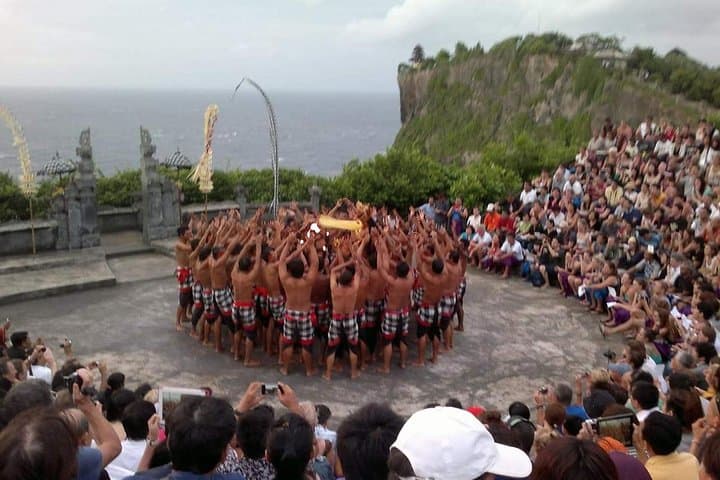
The cliff drops away in slow, vertical motion; sea spray sketches salt on your jacket as the sun leans toward the Indian Ocean. At Uluwatu Temple the light goes gold fast, and on the open-air stage a hundred chanting voices build and break like waves — that’s the Kecak, a vocal performance that animates the Ramayana with fire and human rhythm.
Verified experiences and guided adventures in the surrounding area.
Operated by Bali Savaya Tours · Uluwatu, Bali
The cliff drops away in slow, vertical motion; sea spray sketches salt on your jacket as the sun leans toward the Indian Ocean. At Uluwatu Temple the light goes gold fast, and on the open-air stage a hundred chanting voices build and break like waves — that’s the Kecak, a vocal performance that animates the Ramayana with fire and human rhythm.
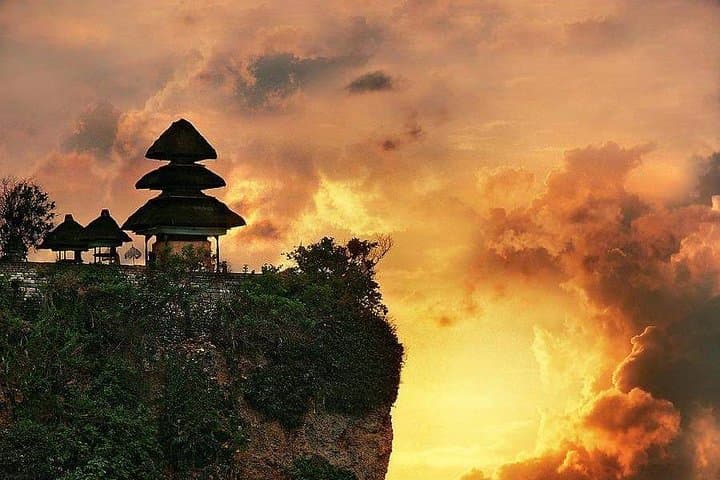
Perched on Bali’s southern Bukit Peninsula, Pura Luhur Uluwatu sits on limestone cliffs carved by relentless surf. The rock is coral-limestone uplifted over millennia; the wind-polished ledges give sweeping sea views and nesting spots for seabirds. The temple complex is a major Balinese Hindu site tied to 11th–16th century ascetics and the later pilgrim Dang Hyang Nirartha; its location has long been both spiritual boundary and watchpoint.
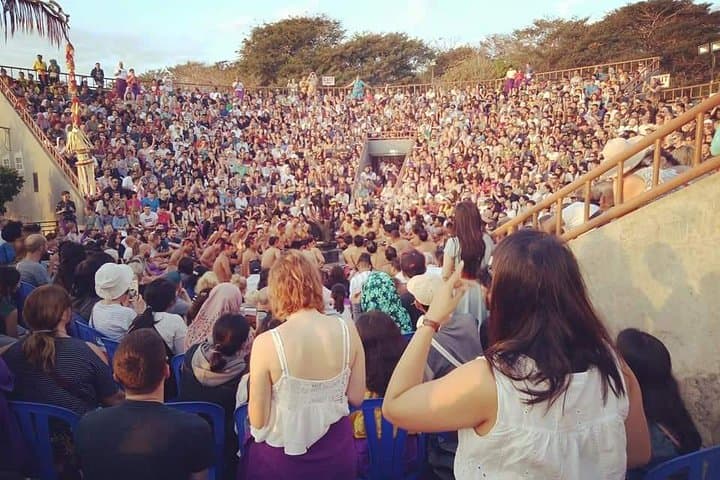
Culturally, the Kecak is distinctive: no instruments, only interlocking human voices and controlled flames that dramatize the Ramayana’s rescue of Sita. Expect energetic choreography, spots of local costume, and a crowd that quiets only for the sunset’s last line.
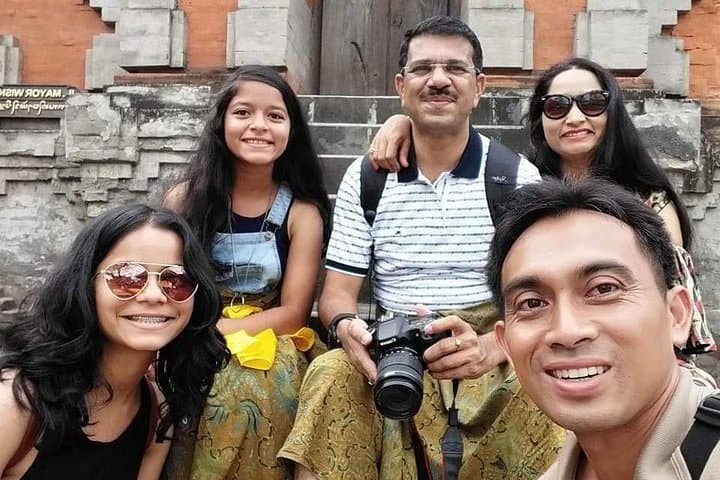
Practical guide: arrive 30–45 minutes before showtime to claim cliff-edge seating for sunset views. Wear a sarong or bring one (required for temple entry), sturdy shoes for uneven paths, and a light jacket — ocean winds pick up after dusk. Watch the macaques: they’re curious and quick with loose items.
Timing, respect, and planning make the difference: pick a private or small-group transfer for reliable pickup, have cash for entrance fees and donations, and leave extra time for traffic back to Jimbaran or Seminyak.
easy.
6–8 hours (tour timeframe including transfer).
Minimal fitness required; involves short walks on uneven stone and steps at the temple.
Yes — it’s family-friendly, but loud chanting and fire elements may unsettle very young children; supervise them near balconies and steps.
Some tours include entrance and performance tickets; confirm with your booking whether transport and admission are part of your package.
Photography is generally allowed but avoid flash during performances and be mindful of paying audience members and performers’ space.
The cliffside paths and terraces have steps and uneven surfaces; accessibility is limited — contact operators for specifics and alternative vantage points.
Pura Luhur Uluwatu is one of Bali’s key sea temples, with ritual links to 11th–16th century Hindu ascetics and later patrons; its cliffside siting marks a spiritual watch over the island’s southern edge.
High visitor volumes strain paths and local waste systems; stick to marked routes, avoid feeding wildlife, and carry out trash to reduce impact.
Bali Savaya Tours operates guided outdoor trips and adventures with an emphasis on safety, stewardship, and memorable experiences.
The cliff drops away in slow, vertical motion; sea spray sketches salt on your jacket as the sun leans toward the Indian Ocean. At Uluwatu Temple the light goes gold fast, and on the open-air stage a hundred chanting voices build and break like waves — that’s the Kecak, a vocal performance that animates the Ramayana with fire and human rhythm.
The cliff drops away in slow, vertical motion; sea spray sketches salt on your jacket as the sun leans toward the Indian Ocean. At Uluwatu Temple the light goes gold fast, and on the open-air stage a hundred chanting voices build and break like waves — that’s the Kecak, a vocal performance that animates the Ramayana with fire and human rhythm.
Perched on Bali’s southern Bukit Peninsula, Pura Luhur Uluwatu sits on limestone cliffs carved by relentless surf. The rock is coral-limestone uplifted over millennia; the wind-polished ledges give sweeping sea views and nesting spots for seabirds. The temple complex is a major Balinese Hindu site tied to 11th–16th century ascetics and the later pilgrim Dang Hyang Nirartha; its location has long been both spiritual boundary and watchpoint.
Culturally, the Kecak is distinctive: no instruments, only interlocking human voices and controlled flames that dramatize the Ramayana’s rescue of Sita. Expect energetic choreography, spots of local costume, and a crowd that quiets only for the sunset’s last line.
Practical guide: arrive 30–45 minutes before showtime to claim cliff-edge seating for sunset views. Wear a sarong or bring one (required for temple entry), sturdy shoes for uneven paths, and a light jacket — ocean winds pick up after dusk. Watch the macaques: they’re curious and quick with loose items.
Timing, respect, and planning make the difference: pick a private or small-group transfer for reliable pickup, have cash for entrance fees and donations, and leave extra time for traffic back to Jimbaran or Seminyak.