THE ADVENTURE COLLECTIVE® · Independent discovery and booking for outdoor travel

Watch the sun fall behind the Indian Ocean from Uluwatu’s cliff-top temple, then stay for the hypnotic Kecak fire dance. This private 6–8 hour tour pairs white-sand beaches with one of Bali’s most dramatic cultural performances.
Watch the sun fall behind the Indian Ocean from Uluwatu’s cliff-top temple, then stay for the hypnotic Kecak fire dance. This private 6–8 hour tour pairs white-sand beaches with one of Bali’s most dramatic cultural performances.
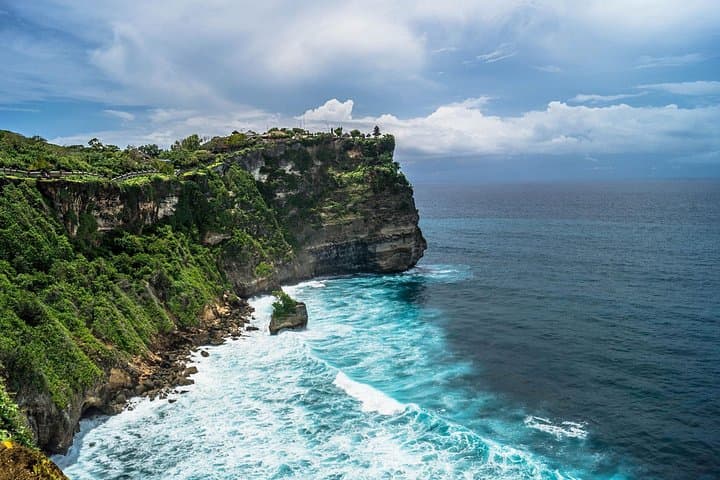
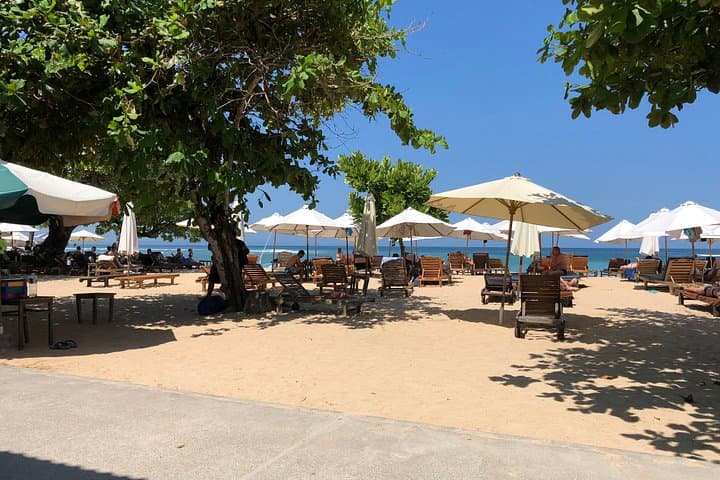
The day opens with sunlight sliding across white Nusa Dua sand and the ocean daring the shoreline with a steady pulse. A private car carries you south across Bali's Bukit Peninsula, the road curving toward cliffs that lean into the Indian Ocean. By late afternoon the limestone bluff at Uluwatu smells of salt and dry earth; the temple sits on the edge, its roofs dark against the sinking sun.
Verified experiences and guided adventures in the surrounding area.
Operated by Putu Bali Driver · Uluwatu, Bali
The day opens with sunlight sliding across white Nusa Dua sand and the ocean daring the shoreline with a steady pulse. A private car carries you south across Bali's Bukit Peninsula, the road curving toward cliffs that lean into the Indian Ocean. By late afternoon the limestone bluff at Uluwatu smells of salt and dry earth; the temple sits on the edge, its roofs dark against the sinking sun.
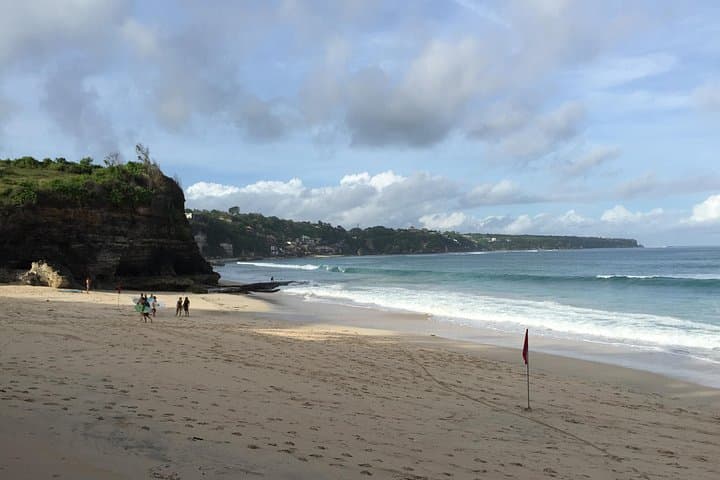
Uluwatu (Pura Luhur Uluwatu) is a cliff-top sea temple with roots reaching into Bali’s classical period; priests and local communities still maintain its shrines. The cliffs are karst limestone—eroded shelves and caves that feed the beaches below—while Padang Padang and Nusa Dua show contrasting coastal geomorphology: a narrow surf break versus broad, white coral sands.
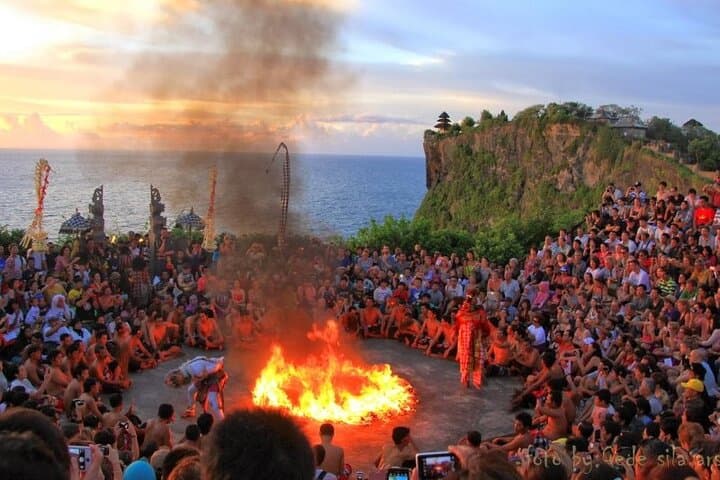
Culturally, the evening brings the Kecak fire dance: dozens of voices and rhythmic chants framing dancers in firelight, a ritual drama that draws from Hindu Ramayana stories. Local guides explain temple etiquette, the monkey population’s clever hands, and the importance of offerings left at the shrine.
Practical guidance: arrive with sun protection and sturdy sandals—the temple grounds include uneven steps and exposed edges. Allow two hours at Uluwatu for the sunset and performance, plus stops at beaches earlier in the day. Expect moderate walking, a short climb to viewpoints, and close encounters with macaques—keep belongings secured. Tours commonly include hotel pickup and drop-off; bring cash for donations, snacks, and small purchases. Time your visit to reach the cliff before golden hour to choose a safe viewing spot and enjoy the full transition from day into the hypnotic Kecak fire performance.
easy.
6–8 hours.
Suitable for most fitness levels; involves short walks, stairs and standing during the performance.
Most private tours include hotel pickup and drop-off—confirm pickup point when booking and have your confirmation accessible.
Yes; entrance to the temple and the Kecak performance are typically included in the tour admission—keep your mobile ticket ready.
Modest clothing is required: knees and shoulders covered. Sarongs and sashes are often provided at the entrance if needed.
The site has uneven stairs and cliffside paths; visitors with limited mobility should check with the operator about specific access and possible alternate viewpoints.
Pura Luhur Uluwatu is one of Bali’s oldest sea temples, historically serving both spiritual and navigational roles for coastal communities.
Visitors should avoid feeding wildlife, carry out trash, and support reef-friendly sunscreen to protect local coral ecosystems.
Putu Bali Driver operates guided outdoor trips and adventures with an emphasis on safety, stewardship, and memorable experiences.
The day opens with sunlight sliding across white Nusa Dua sand and the ocean daring the shoreline with a steady pulse. A private car carries you south across Bali's Bukit Peninsula, the road curving toward cliffs that lean into the Indian Ocean. By late afternoon the limestone bluff at Uluwatu smells of salt and dry earth; the temple sits on the edge, its roofs dark against the sinking sun.
The day opens with sunlight sliding across white Nusa Dua sand and the ocean daring the shoreline with a steady pulse. A private car carries you south across Bali's Bukit Peninsula, the road curving toward cliffs that lean into the Indian Ocean. By late afternoon the limestone bluff at Uluwatu smells of salt and dry earth; the temple sits on the edge, its roofs dark against the sinking sun.
Uluwatu (Pura Luhur Uluwatu) is a cliff-top sea temple with roots reaching into Bali’s classical period; priests and local communities still maintain its shrines. The cliffs are karst limestone—eroded shelves and caves that feed the beaches below—while Padang Padang and Nusa Dua show contrasting coastal geomorphology: a narrow surf break versus broad, white coral sands.
Culturally, the evening brings the Kecak fire dance: dozens of voices and rhythmic chants framing dancers in firelight, a ritual drama that draws from Hindu Ramayana stories. Local guides explain temple etiquette, the monkey population’s clever hands, and the importance of offerings left at the shrine.
Practical guidance: arrive with sun protection and sturdy sandals—the temple grounds include uneven steps and exposed edges. Allow two hours at Uluwatu for the sunset and performance, plus stops at beaches earlier in the day. Expect moderate walking, a short climb to viewpoints, and close encounters with macaques—keep belongings secured. Tours commonly include hotel pickup and drop-off; bring cash for donations, snacks, and small purchases. Time your visit to reach the cliff before golden hour to choose a safe viewing spot and enjoy the full transition from day into the hypnotic Kecak fire performance.