THE ADVENTURE COLLECTIVE® · Independent discovery and booking for outdoor travel

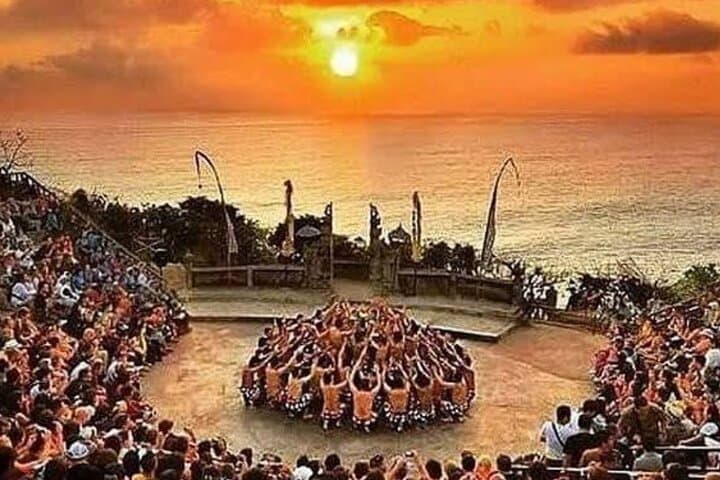
Watch the Kecak dance unfold on a cliff 70 meters above the Indian Ocean and finish with a spectacular tropical sunset. This half-day private pickup tour pairs cultural insight with dramatic coastal scenery—perfect for a short, memorable evening in Bali.
Watch the Kecak dance unfold on a cliff 70 meters above the Indian Ocean and finish with a spectacular tropical sunset. This half-day private pickup tour pairs cultural insight with dramatic coastal scenery—perfect for a short, memorable evening in Bali.
You step onto a wind-scoured promontory 70 meters above the Indian Ocean as the late-afternoon light begins its slow tilt toward the horizon. Waves below push and hiss against coral cliffs while the stone steps of Uluwatu Temple angle toward the edge—this is a place where the sea seems to demand attention and your pace naturally slows.
Verified experiences and guided adventures in the surrounding area.
Operated by Bali Vacation Driver - private Day Tours · Pecatu (Uluwatu), Bali
You step onto a wind-scoured promontory 70 meters above the Indian Ocean as the late-afternoon light begins its slow tilt toward the horizon. Waves below push and hiss against coral cliffs while the stone steps of Uluwatu Temple angle toward the edge—this is a place where the sea seems to demand attention and your pace naturally slows.
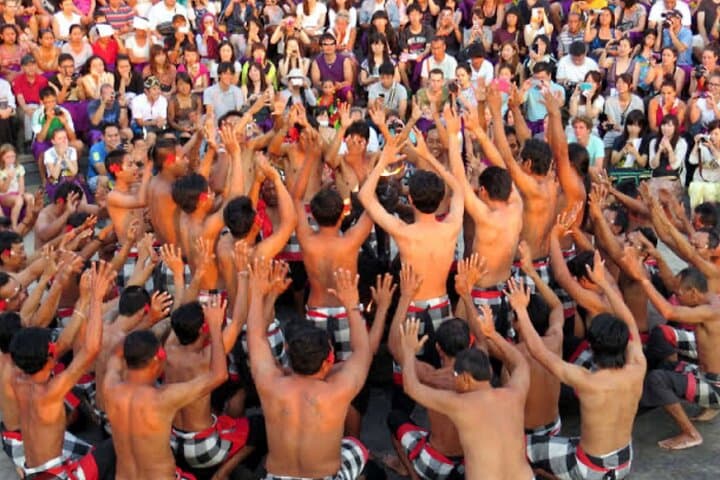
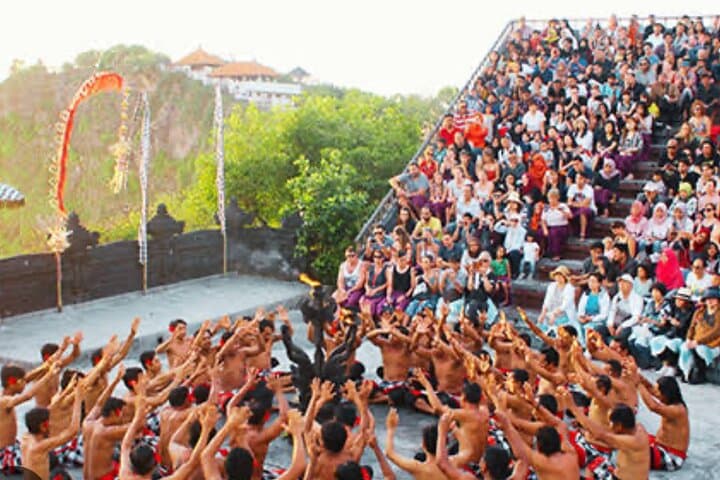
Pura Luhur Uluwatu is one of Bali’s six directional temples (Sad Kahyangan) with roots in 10th–11th century Javanese-Balinese Hindu practice. The limestone cliffs here are part of the Bukit Peninsula’s uplifted coral reef; you’ll notice layered rock faces and narrow paths carved by wind and salt. Culturally, the site is as much performance space as shrine: the nightly Kecak dance is an a cappella, rhythmic chanting drama retelling episodes of the Ramayana, staged with firelight against the sunset.
Expect a 2-hour, half-day rhythm—hotel pickup, short temple visit, then the 1-hour Kecak performance timed to sunset. The walk includes uneven stone steps, short climbs, and open-air viewing platforms where monkeys move with brazen curiosity. Guides generally provide a sarong for entry, bottled water, and local context on ceremonies and temple etiquette.
Practical notes: cover shoulders and knees, wear sturdy shoes for stairs and cliff paths, secure loose items from monkeys, and arrive early in the seasonally busy hour before sunset to claim a good viewing spot. The performance is short and visceral; bring a light jacket for coastal winds and a sense of patience for crowds during peak evenings.
moderate.
2 hours.
Light to moderate fitness for short climbs and stairs; able to stand for the 45–60 minute performance.
Yes—children can watch the dramatic chanting and fire elements, but the venue has open edges and stairs so close supervision is required.
Most tours and the temple provide sarongs and sashes, but you can bring your own to ensure a comfortable fit.
The performance is typically 45–60 minutes and is scheduled to coincide with sunset; exact start times vary seasonally—confirm with your tour operator.
Photography is usually allowed, but avoid flash during ritual sections and be respectful of worshippers and performers.
Uluwatu’s temple is an important 10th–11th century Hindu site on Bali’s Bukit Peninsula and functions as a protective directional shrine in Balinese cosmology.
Erosion from coastal winds and rising tourism pressure challenge the cliffs and pathways; stick to marked paths, avoid feeding wildlife, and use local guides to support sustainable visitation.
Bali Vacation Driver - private Day Tours operates guided outdoor trips and adventures with an emphasis on safety, stewardship, and memorable experiences.

You step onto a wind-scoured promontory 70 meters above the Indian Ocean as the late-afternoon light begins its slow tilt toward the horizon. Waves below push and hiss against coral cliffs while the stone steps of Uluwatu Temple angle toward the edge—this is a place where the sea seems to demand attention and your pace naturally slows.
You step onto a wind-scoured promontory 70 meters above the Indian Ocean as the late-afternoon light begins its slow tilt toward the horizon. Waves below push and hiss against coral cliffs while the stone steps of Uluwatu Temple angle toward the edge—this is a place where the sea seems to demand attention and your pace naturally slows.
Pura Luhur Uluwatu is one of Bali’s six directional temples (Sad Kahyangan) with roots in 10th–11th century Javanese-Balinese Hindu practice. The limestone cliffs here are part of the Bukit Peninsula’s uplifted coral reef; you’ll notice layered rock faces and narrow paths carved by wind and salt. Culturally, the site is as much performance space as shrine: the nightly Kecak dance is an a cappella, rhythmic chanting drama retelling episodes of the Ramayana, staged with firelight against the sunset.
Expect a 2-hour, half-day rhythm—hotel pickup, short temple visit, then the 1-hour Kecak performance timed to sunset. The walk includes uneven stone steps, short climbs, and open-air viewing platforms where monkeys move with brazen curiosity. Guides generally provide a sarong for entry, bottled water, and local context on ceremonies and temple etiquette.
Practical notes: cover shoulders and knees, wear sturdy shoes for stairs and cliff paths, secure loose items from monkeys, and arrive early in the seasonally busy hour before sunset to claim a good viewing spot. The performance is short and visceral; bring a light jacket for coastal winds and a sense of patience for crowds during peak evenings.