THE ADVENTURE COLLECTIVE® · Independent discovery and booking for outdoor travel

Perched on 230-foot cliffs, Uluwatu Temple’s sunset Kecak dance is equal parts ritual and theater. This private-car option streamlines logistics so you can focus on the cliffside ceremony and the ocean sunset.
Perched on 230-foot cliffs, Uluwatu Temple’s sunset Kecak dance is equal parts ritual and theater. This private-car option streamlines logistics so you can focus on the cliffside ceremony and the ocean sunset.
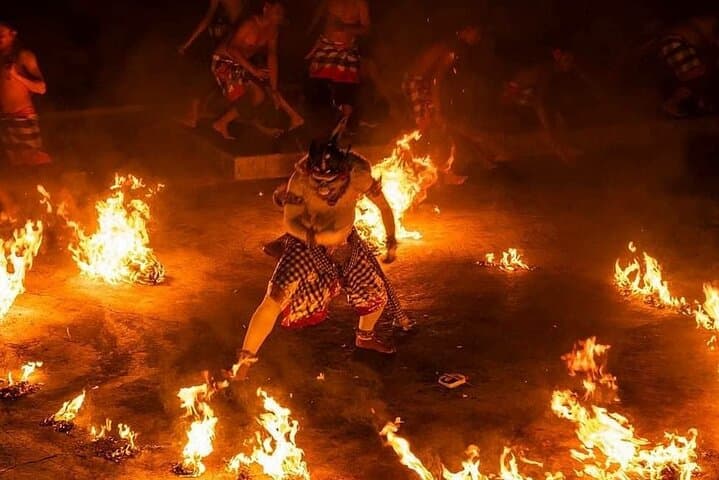
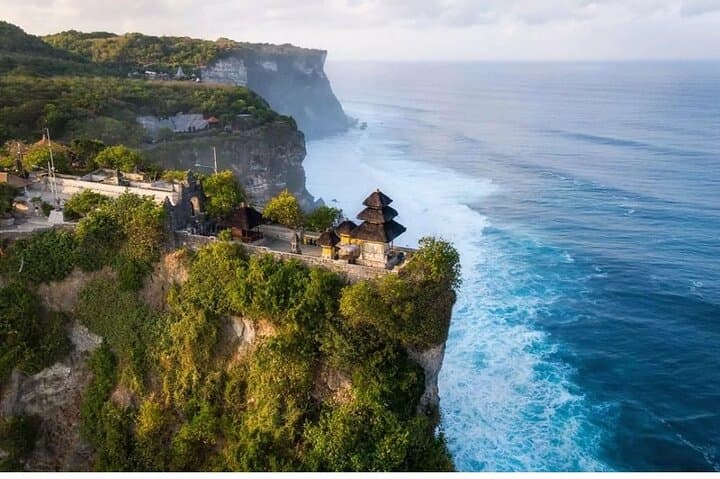
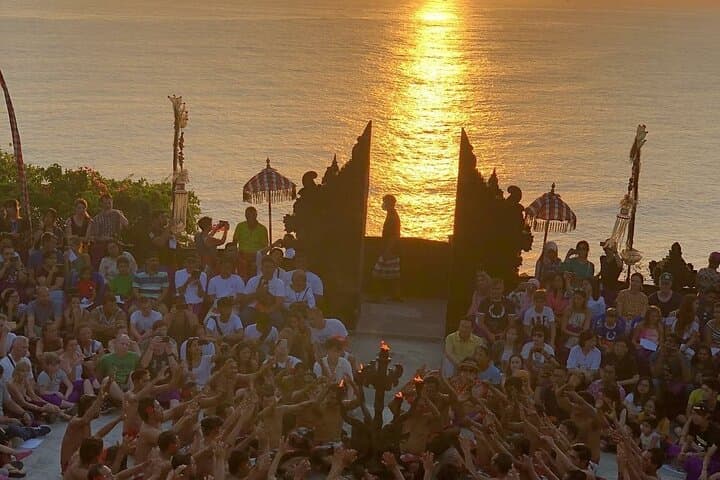
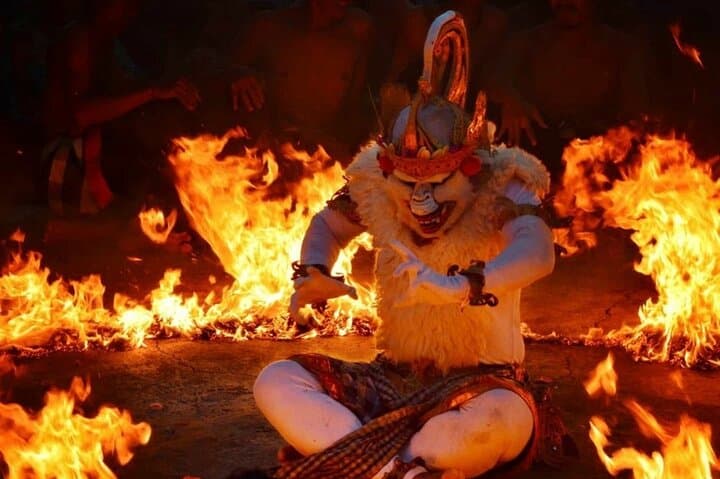
The cliff waits like an audience — wind riffing through stunted trees, waves colliding far below, and a horizon that seems to swallow the sun whole. You arrive by private car, dropped at a stone balustrade 230 feet above the Indian Ocean, where salt and smoke from the evening lamps braid together. As daylight thins, the temple compound hums: offerings clack, sarongs rustle, and the Kecak chorus — a rising, rhythmic chant — takes shape in the open amphitheater.
Verified experiences and guided adventures in the surrounding area.
Operated by Doni Bali Driver · Uluwatu, Bali
The cliff waits like an audience — wind riffing through stunted trees, waves colliding far below, and a horizon that seems to swallow the sun whole. You arrive by private car, dropped at a stone balustrade 230 feet above the Indian Ocean, where salt and smoke from the evening lamps braid together. As daylight thins, the temple compound hums: offerings clack, sarongs rustle, and the Kecak chorus — a rising, rhythmic chant — takes shape in the open amphitheater.
Uluwatu Temple (Pura Luhur Uluwatu) sits on volcanic limestone carved by millennia of sea and wind. Its recorded history ties to Majapahit-era Hindu practice and local ascetics; legends credit Mpu Kuturan with establishing several coastal shrines. The Kecak fire dance, shaped into its modern form in the 20th century, layers the Ramayana story over a trance-like male chorus — theatrical, stark, and rooted in Balinese ritual performance.
Expect steep steps, exposed viewing points, and a lively crowd at sunset hours. Monkeys are bold and curious; they treat unattended items as currency. Photography is allowed from viewing terraces but be mindful of worshippers and designated sacred areas. Your private car and English-speaking driver simplify logistics and get you there and back without negotiating parking or unfamiliar roads.
Plan to arrive before sunset for the best light and fewer people, carry lightweight sun protection, and accept the sarong provided to honor local custom. The experience is half cultural immersion, half spectacle — it’s about standing on the edge of land and ritual as the island moves into night.
easy.
3–4 hours.
Minimal fitness required — ability to manage stairs and short uphill sections; suitable for most travelers.
Yes — a sarong and sash are required for temple entry; the tour provides a sarong you can borrow for the visit.
Generally yes — the dance is non-violent and theatrical, but loud chanting and fire may unsettle very young children; supervision is advised.
The tour includes private pick-up/drop-off for selected areas (usually south Bali locations); confirm pickup point at booking.
Stay behind railings, follow staff instructions, and secure loose items — monkeys are opportunistic and cliffs are exposed with steep drops.
Uluwatu is one of Bali’s important sea temples linked to Majapahit-era Hindu practices; local lore credits Mpu Kuturan and later priests with shaping its rituals.
Erosion and visitor pressure stress the limestone headland; follow designated paths, avoid feeding wildlife, and respect temple boundaries to reduce impact.
Doni Bali Driver operates guided outdoor trips and adventures with an emphasis on safety, stewardship, and memorable experiences.
The cliff waits like an audience — wind riffing through stunted trees, waves colliding far below, and a horizon that seems to swallow the sun whole. You arrive by private car, dropped at a stone balustrade 230 feet above the Indian Ocean, where salt and smoke from the evening lamps braid together. As daylight thins, the temple compound hums: offerings clack, sarongs rustle, and the Kecak chorus — a rising, rhythmic chant — takes shape in the open amphitheater.
The cliff waits like an audience — wind riffing through stunted trees, waves colliding far below, and a horizon that seems to swallow the sun whole. You arrive by private car, dropped at a stone balustrade 230 feet above the Indian Ocean, where salt and smoke from the evening lamps braid together. As daylight thins, the temple compound hums: offerings clack, sarongs rustle, and the Kecak chorus — a rising, rhythmic chant — takes shape in the open amphitheater.
Uluwatu Temple (Pura Luhur Uluwatu) sits on volcanic limestone carved by millennia of sea and wind. Its recorded history ties to Majapahit-era Hindu practice and local ascetics; legends credit Mpu Kuturan with establishing several coastal shrines. The Kecak fire dance, shaped into its modern form in the 20th century, layers the Ramayana story over a trance-like male chorus — theatrical, stark, and rooted in Balinese ritual performance.
Expect steep steps, exposed viewing points, and a lively crowd at sunset hours. Monkeys are bold and curious; they treat unattended items as currency. Photography is allowed from viewing terraces but be mindful of worshippers and designated sacred areas. Your private car and English-speaking driver simplify logistics and get you there and back without negotiating parking or unfamiliar roads.
Plan to arrive before sunset for the best light and fewer people, carry lightweight sun protection, and accept the sarong provided to honor local custom. The experience is half cultural immersion, half spectacle — it’s about standing on the edge of land and ritual as the island moves into night.