THE ADVENTURE COLLECTIVE® · Independent discovery and booking for outdoor travel

Watch the sun drop behind the Bukit cliffs, then sit transfixed as the Kecak fire dance turns legend into motion. This half-day tour pairs cliffside views at Uluwatu Temple with an evening cultural performance—ideal for a compact cultural outing with practical comforts.
Watch the sun drop behind the Bukit cliffs, then sit transfixed as the Kecak fire dance turns legend into motion. This half-day tour pairs cliffside views at Uluwatu Temple with an evening cultural performance—ideal for a compact cultural outing with practical comforts.
The cliff breathes salt and heat as you approach—waves batter the limestone below while gnarled frangipani squeeze between stone steps. At Uluwatu Temple, the ocean seems to pull the sun down just beyond the amphitheatre; by the time the Kecak fire dance starts, the light is a molten rim on the horizon.
Verified experiences and guided adventures in the surrounding area.
Operated by TripGuru · Uluwatu, Bali
The cliff breathes salt and heat as you approach—waves batter the limestone below while gnarled frangipani squeeze between stone steps. At Uluwatu Temple, the ocean seems to pull the sun down just beyond the amphitheatre; by the time the Kecak fire dance starts, the light is a molten rim on the horizon.
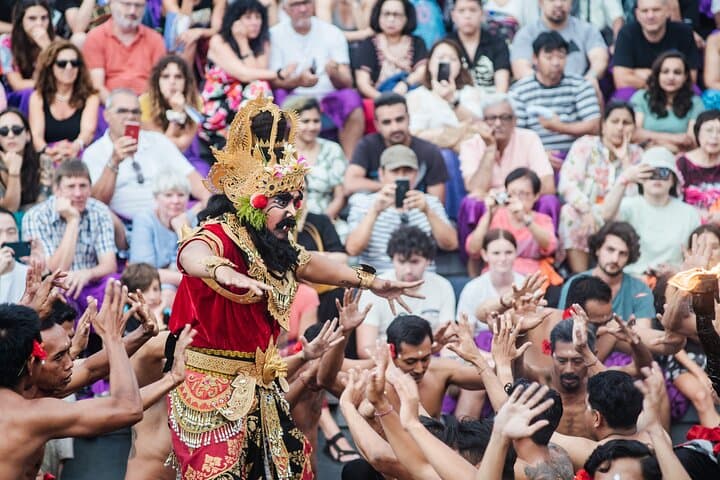
Built on the southern edge of Bali’s Bukit Peninsula, Pura Luhur Uluwatu dates back to the 11th century and sits roughly 70 metres above sea level. The temple’s coral-stone foundations and carved gateways reveal centuries of Balinese Hindu practice; the cliffs themselves are ancient uplifted reef, folded and pocked by waves and wind. Cultural life here centers on ritual offerings and the Kecak, a vocal, rhythmic drama that reworks the Ramayana through human chorus and fire.
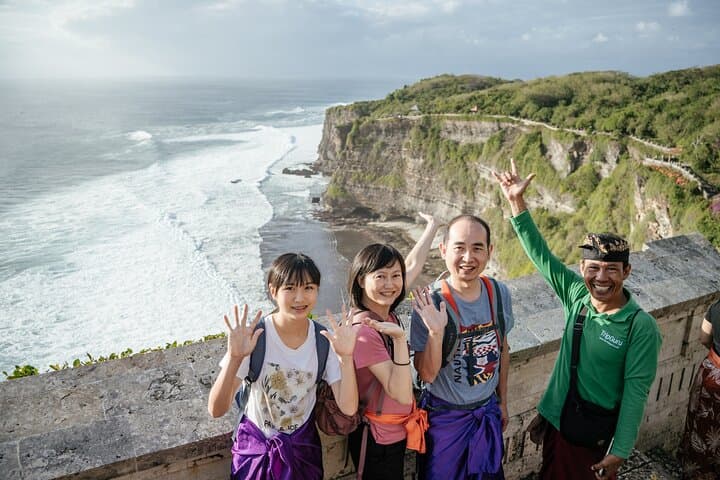
Expect steep stone paths, exposed viewpoints, and a busy amphitheatre when sunset approaches. Monkeys patrol shaded areas—they’re bold and curious, so secure loose items. Guides explain symbolism in the carvings and point out vantage points where the sea stacks and headlands cut dramatic profiles.
Practical guidance: arrive early for easier parking and to explore quieter temple grounds before crowds. Wear clothing that covers shoulders and knees—sarongs are required and often provided for entry. Shoes should handle uneven steps; bring water, sunscreen, and a small cash reserve for entrance fees and local offerings. If you’re photographing the dance, use a fast lens and stabilize against the amphitheatre rail. The weather can shift quickly; a light layer keeps you comfortable as dusk cools the cliffside.
easy.
3–5 hours.
Suitable for travelers with basic mobility; requires climbing stairs and walking on uneven surfaces.
Yes—the tour includes entrance fees for the dance performance; check your booking details for confirmation of included tickets.
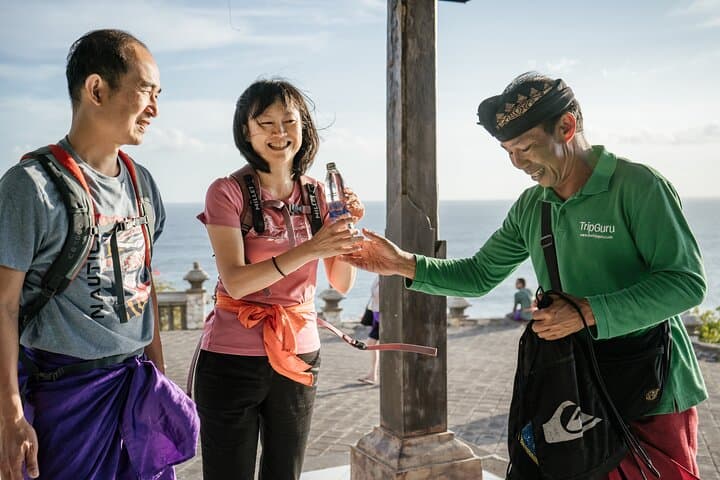
You can bring your own sarong or scarf; many sites provide or rent sarongs at entry but availability can be limited during peak times.
The site has stone steps and uneven terrain; visitors with limited mobility may find parts of the temple difficult to access and should check accessibility in advance.
Photography is generally allowed, but use respectful practices—no flash during dramatic moments and keep to assigned seating areas to avoid obstructing others.
Uluwatu (Pura Luhur Uluwatu) is one of Bali’s key sea temples established around the 11th century, historically sited to honor sea spirits and mark the island’s southern spiritual boundary.
The temple and cliff habitat face pressure from tourism and coastal erosion; visitors help by staying on paths, disposing of waste properly, and avoiding feeding wildlife.
TripGuru operates guided outdoor trips and adventures with an emphasis on safety, stewardship, and memorable experiences.
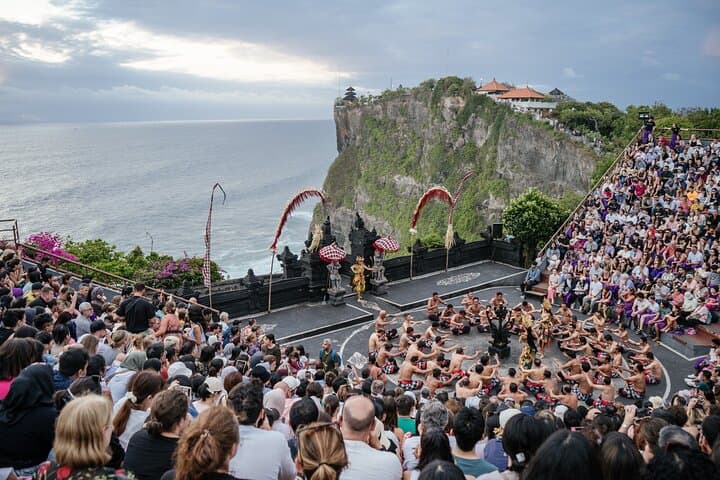
The cliff breathes salt and heat as you approach—waves batter the limestone below while gnarled frangipani squeeze between stone steps. At Uluwatu Temple, the ocean seems to pull the sun down just beyond the amphitheatre; by the time the Kecak fire dance starts, the light is a molten rim on the horizon.
The cliff breathes salt and heat as you approach—waves batter the limestone below while gnarled frangipani squeeze between stone steps. At Uluwatu Temple, the ocean seems to pull the sun down just beyond the amphitheatre; by the time the Kecak fire dance starts, the light is a molten rim on the horizon.
Built on the southern edge of Bali’s Bukit Peninsula, Pura Luhur Uluwatu dates back to the 11th century and sits roughly 70 metres above sea level. The temple’s coral-stone foundations and carved gateways reveal centuries of Balinese Hindu practice; the cliffs themselves are ancient uplifted reef, folded and pocked by waves and wind. Cultural life here centers on ritual offerings and the Kecak, a vocal, rhythmic drama that reworks the Ramayana through human chorus and fire.
Expect steep stone paths, exposed viewpoints, and a busy amphitheatre when sunset approaches. Monkeys patrol shaded areas—they’re bold and curious, so secure loose items. Guides explain symbolism in the carvings and point out vantage points where the sea stacks and headlands cut dramatic profiles.
Practical guidance: arrive early for easier parking and to explore quieter temple grounds before crowds. Wear clothing that covers shoulders and knees—sarongs are required and often provided for entry. Shoes should handle uneven steps; bring water, sunscreen, and a small cash reserve for entrance fees and local offerings. If you’re photographing the dance, use a fast lens and stabilize against the amphitheatre rail. The weather can shift quickly; a light layer keeps you comfortable as dusk cools the cliffside.