THE ADVENTURE COLLECTIVE® · Independent discovery and booking for outdoor travel

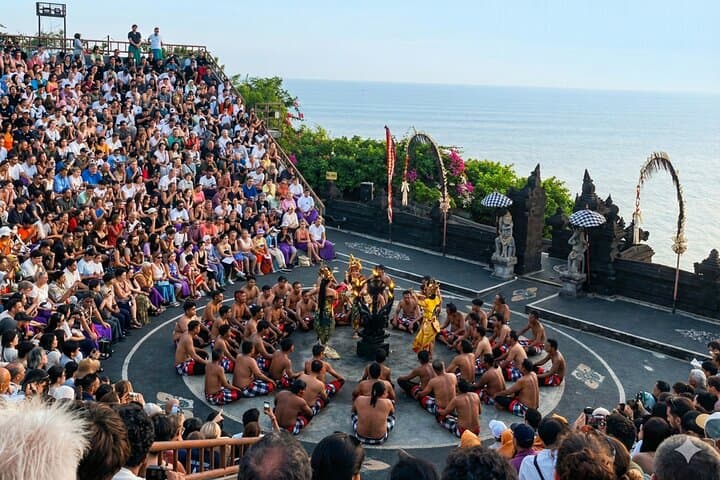
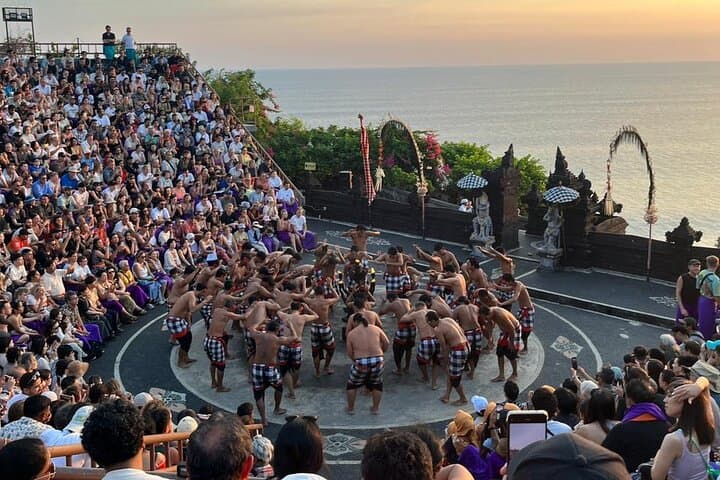
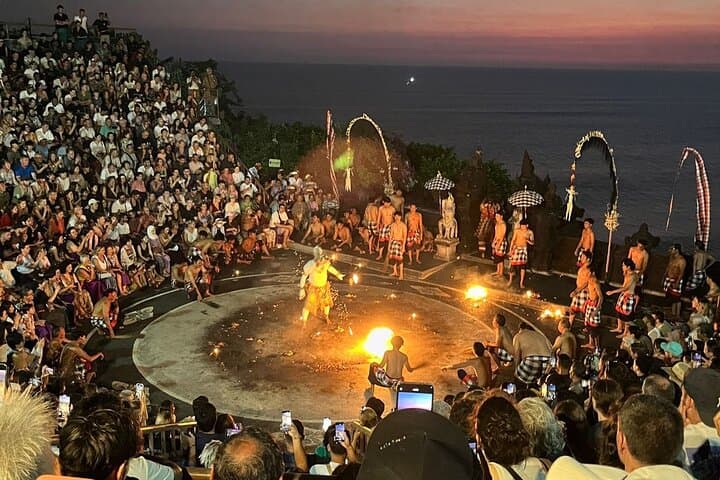
Skip the lines at Pura Luhur Uluwatu and secure seats for the Kecak Fire Dance at sunset. This ticket combines cliffside exploration, playful macaques, and an intense evening performance against the Indian Ocean.
Skip the lines at Pura Luhur Uluwatu and secure seats for the Kecak Fire Dance at sunset. This ticket combines cliffside exploration, playful macaques, and an intense evening performance against the Indian Ocean.
You arrive at the cliff as the ocean draws a slow, bright line along the horizon. Wind presses warm salt and dry grass into your face; gulls wheel and cry, and the temple’s stone edge perches above waves that seem to push the shore outward. The experience begins outdoors — a temple courtyard, monkeys moving like small conspirators, and a seawall where the last light gathers.
Verified experiences and guided adventures in the surrounding area.
Operated by PBRB · Uluwatu, Bali
You arrive at the cliff as the ocean draws a slow, bright line along the horizon. Wind presses warm salt and dry grass into your face; gulls wheel and cry, and the temple’s stone edge perches above waves that seem to push the shore outward. The experience begins outdoors — a temple courtyard, monkeys moving like small conspirators, and a seawall where the last light gathers.
Pura Luhur Uluwatu sits on a limestone headland carved by tectonic uplift and endless surf; the cliffs are ancient coral uplifted into dramatic escarpments. The shrine is a major Balinese sea temple and grew in cultural prominence after visits by the 16th‑century ascetic Dang Hyang Nirartha. Local ritual life and the evening Kecak performance—the human chorus of call-and-response chanting and choreographed fire scenes—reflect Bali’s layered Hindu history and storytelling traditions.
Expect roughly two hours: time to walk the temple grounds, watch macaques, and settle into a seat for the Kecak Fire Dance at sunset. Paths are steep and uneven; sandstone steps and low walls require steady footing. Bring sun protection for the late-afternoon heat and a light layer as sea breezes cool after dusk. Reserve entry in advance to skip queues and aim to arrive at least 30 minutes before the show for best sunset views.
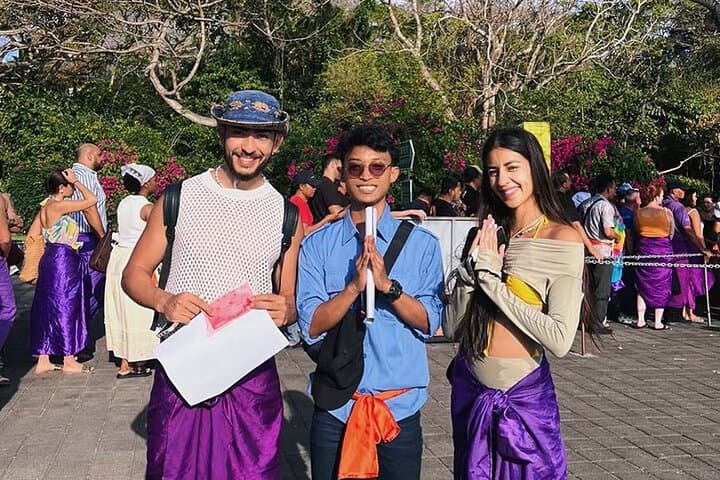
Respect temple customs: sarongs may be required, don’t feed monkeys, and carry a small amount of cash for donations or local vendors. With a prepared ticket, the day’s rhythm is simple—cliffside exploration followed by an elemental cultural performance under an open sky.
easy.
2 hours.
Suitable for most fitness levels; requires short walks and negotiating steps and uneven surfaces.
Some temple areas require a sarong; tickets often include or note sarong requirements—bring one or use vendor rentals at the entrance.
Macaques are used to people and can snatch items; don’t feed them and secure loose belongings—avoid direct eye contact if they act aggressively.
Yes—it's a theatrical, non-violent performance though fire effects and loud chanting may startle very young children.
Yes; public transport and taxis operate nearby, but many visitors prefer prearranged transfers to arrive before sunset and avoid parking delays.
Uluwatu is a prominent Balinese sea temple that grew in cultural importance after the 16th‑century sage Dang Hyang Nirartha; its coastal shrines mark Bali’s traditional directional temple system.
Respect cliffside vegetation and avoid littering—reef and coastal ecosystems nearby are sensitive to plastic and human disturbance; do not feed wildlife.
PBRB operates guided outdoor trips and adventures with an emphasis on safety, stewardship, and memorable experiences.
You arrive at the cliff as the ocean draws a slow, bright line along the horizon. Wind presses warm salt and dry grass into your face; gulls wheel and cry, and the temple’s stone edge perches above waves that seem to push the shore outward. The experience begins outdoors — a temple courtyard, monkeys moving like small conspirators, and a seawall where the last light gathers.
You arrive at the cliff as the ocean draws a slow, bright line along the horizon. Wind presses warm salt and dry grass into your face; gulls wheel and cry, and the temple’s stone edge perches above waves that seem to push the shore outward. The experience begins outdoors — a temple courtyard, monkeys moving like small conspirators, and a seawall where the last light gathers.
Pura Luhur Uluwatu sits on a limestone headland carved by tectonic uplift and endless surf; the cliffs are ancient coral uplifted into dramatic escarpments. The shrine is a major Balinese sea temple and grew in cultural prominence after visits by the 16th‑century ascetic Dang Hyang Nirartha. Local ritual life and the evening Kecak performance—the human chorus of call-and-response chanting and choreographed fire scenes—reflect Bali’s layered Hindu history and storytelling traditions.
Expect roughly two hours: time to walk the temple grounds, watch macaques, and settle into a seat for the Kecak Fire Dance at sunset. Paths are steep and uneven; sandstone steps and low walls require steady footing. Bring sun protection for the late-afternoon heat and a light layer as sea breezes cool after dusk. Reserve entry in advance to skip queues and aim to arrive at least 30 minutes before the show for best sunset views.
Respect temple customs: sarongs may be required, don’t feed monkeys, and carry a small amount of cash for donations or local vendors. With a prepared ticket, the day’s rhythm is simple—cliffside exploration followed by an elemental cultural performance under an open sky.