THE ADVENTURE COLLECTIVE® · Independent discovery and booking for outdoor travel

Watch one of Bali’s most famous sunsets from the cliff-top Uluwatu Temple, then witness the hypnotic Kecak Fire Dance—an evening that pairs dramatic coastal geology with living ritual. This private tour typically includes pickup, admission, and a seat for a memorable sunset performance.
Watch one of Bali’s most famous sunsets from the cliff-top Uluwatu Temple, then witness the hypnotic Kecak Fire Dance—an evening that pairs dramatic coastal geology with living ritual. This private tour typically includes pickup, admission, and a seat for a memorable sunset performance.
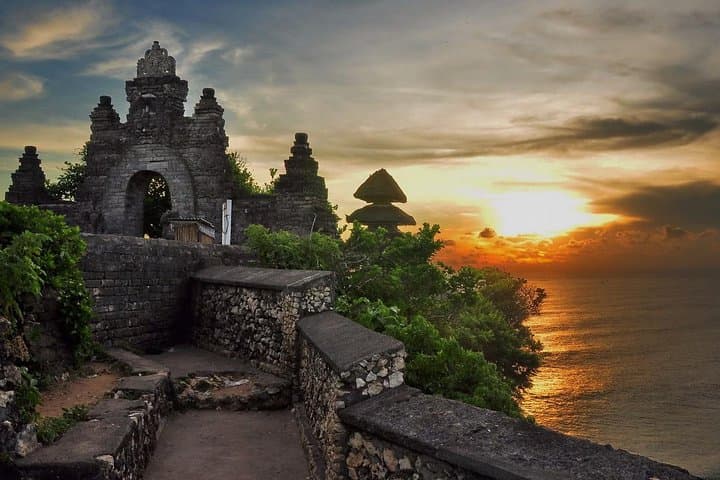
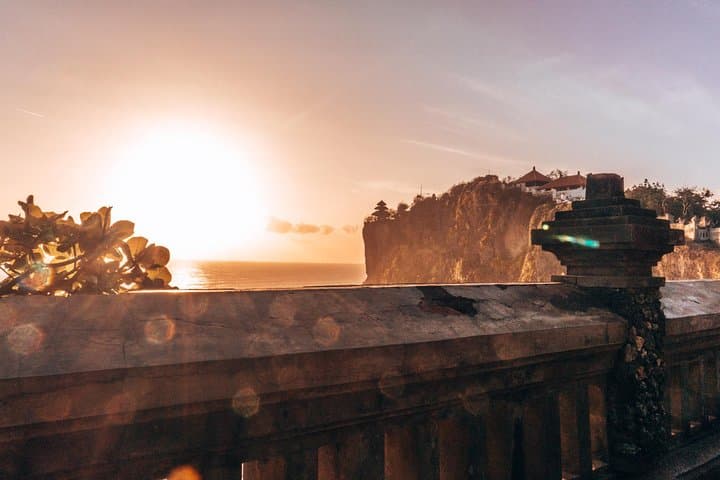
The sun slides low over the Indian Ocean and the limestone cliff at Uluwatu takes on a serrated gold. Visitors move along a wind-scoured path to Pura Luhur Uluwatu, a sea temple perched roughly 100 meters above the waves, where the ocean seems to test the edge of the island.
Verified experiences and guided adventures in the surrounding area.
Operated by Bali Sightseeing · Uluwatu (Pecatu), Bali
The sun slides low over the Indian Ocean and the limestone cliff at Uluwatu takes on a serrated gold. Visitors move along a wind-scoured path to Pura Luhur Uluwatu, a sea temple perched roughly 100 meters above the waves, where the ocean seems to test the edge of the island.
The site has long been part of Bali’s coastal defense of sacred geography—one of several sea temples intended to ward off malign spirits. The cliff itself is steep limestone and eroded benches, carved over millennia by swell and spray. A lively troop of macaques, considered spirit-keepers by locals, patrols the temple precincts and adds an unpredictable element to any visit.
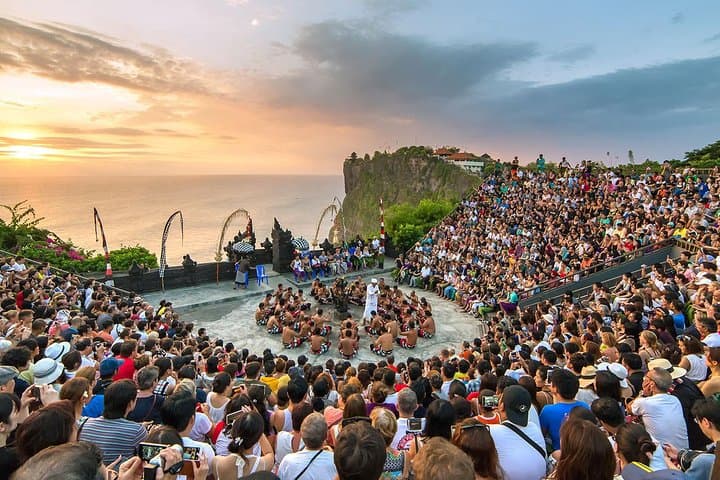
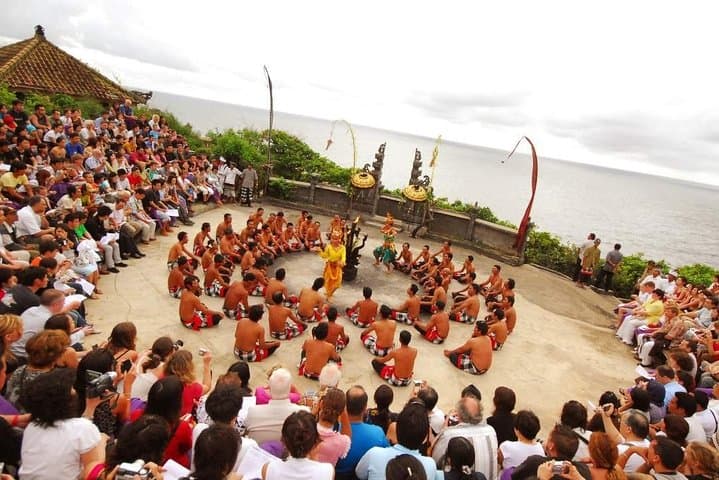
As daylight fades, the courtyard becomes a theater: the Kecak Fire Dance stages episodes from the Ramayana with layered male chants, trance-like movement and bursts of fire choreography. The performance is audiovisual history—ritual, myth and community memory distilled into an intense forty- to sixty-minute ritualized enactment.
Practical guidance: tours typically include hotel pickup, admission, and a return transfer; allow 4–6 hours for pickup, exploration and the evening performance. Wear sturdy shoes for uneven steps and bring a light layer against ocean breeze. Keep valuables secure—macaques are curious—and arrive 30–45 minutes early to claim a good viewing spot for sunset photography. Respect temple dress codes (modest clothing or available sarongs) and follow staff directions during the performance. This is an accessible cultural outing that pairs dramatic coastal geology with living Balinese ritual, suitable for families and solo travelers alike.
easy.
4–6 hours.
Suitable for most fitness levels; requires walking on uneven, stepped pathways and some standing during the performance.
Yes—performances are family-friendly, though close supervision is recommended near open flames and active macaques.
Most tours include admission; still carry small change for tips, offerings, or local purchases outside the temple.
Yes—modest dress is expected; sarongs are often provided for visitors who arrive without appropriate clothing.
Allow roughly 4–6 hours from hotel pickup to drop-off depending on your pickup location and traffic.
Pura Luhur Uluwatu is one of Bali’s directional sea temples, historically part of a chain built to spiritually protect the island’s southwestern flank and to honor sea deities.
The temple area is managed to balance tourism and sacred practice—stay on paths, avoid feeding wildlife, and use designated waste bins to minimize impact.
Bali Sightseeing operates guided outdoor trips and adventures with an emphasis on safety, stewardship, and memorable experiences.
The sun slides low over the Indian Ocean and the limestone cliff at Uluwatu takes on a serrated gold. Visitors move along a wind-scoured path to Pura Luhur Uluwatu, a sea temple perched roughly 100 meters above the waves, where the ocean seems to test the edge of the island.
The sun slides low over the Indian Ocean and the limestone cliff at Uluwatu takes on a serrated gold. Visitors move along a wind-scoured path to Pura Luhur Uluwatu, a sea temple perched roughly 100 meters above the waves, where the ocean seems to test the edge of the island.
The site has long been part of Bali’s coastal defense of sacred geography—one of several sea temples intended to ward off malign spirits. The cliff itself is steep limestone and eroded benches, carved over millennia by swell and spray. A lively troop of macaques, considered spirit-keepers by locals, patrols the temple precincts and adds an unpredictable element to any visit.
As daylight fades, the courtyard becomes a theater: the Kecak Fire Dance stages episodes from the Ramayana with layered male chants, trance-like movement and bursts of fire choreography. The performance is audiovisual history—ritual, myth and community memory distilled into an intense forty- to sixty-minute ritualized enactment.
Practical guidance: tours typically include hotel pickup, admission, and a return transfer; allow 4–6 hours for pickup, exploration and the evening performance. Wear sturdy shoes for uneven steps and bring a light layer against ocean breeze. Keep valuables secure—macaques are curious—and arrive 30–45 minutes early to claim a good viewing spot for sunset photography. Respect temple dress codes (modest clothing or available sarongs) and follow staff directions during the performance. This is an accessible cultural outing that pairs dramatic coastal geology with living Balinese ritual, suitable for families and solo travelers alike.