THE ADVENTURE COLLECTIVE® · Independent discovery and booking for outdoor travel

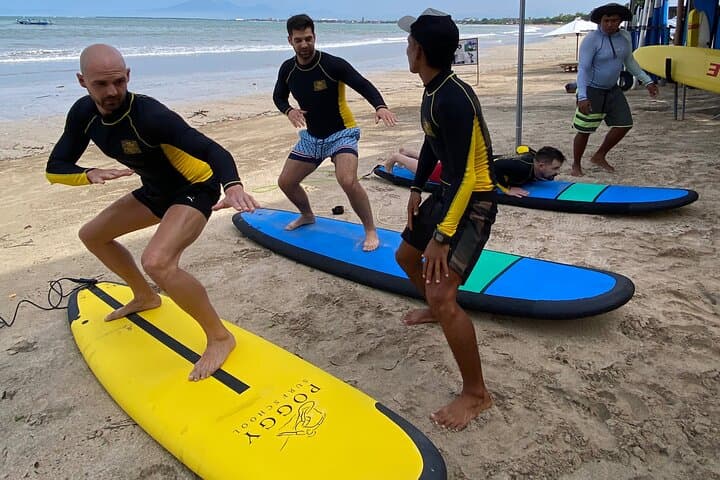
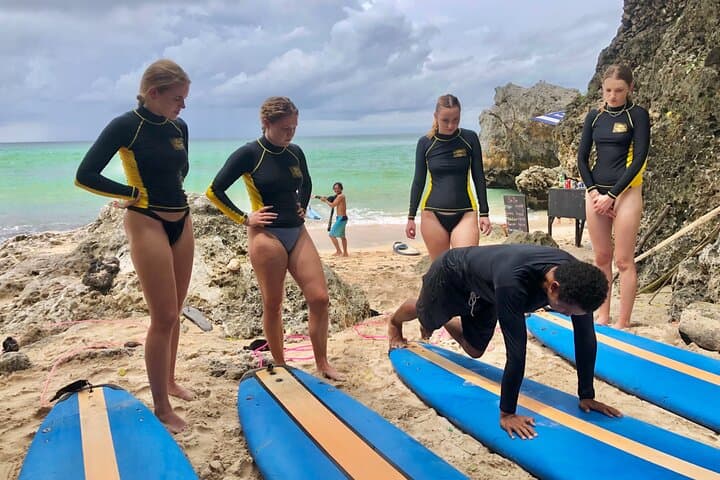
Learn to read the swell and drop into peeling reef breaks with local coaches at Uluwatu. Two-hour lessons combine land briefings, tailored technique drills and around 90 minutes of guided surfing at spots chosen for your level.
Learn to read the swell and drop into peeling reef breaks with local coaches at Uluwatu. Two-hour lessons combine land briefings, tailored technique drills and around 90 minutes of guided surfing at spots chosen for your level.
The reef shows itself as you round the limestone headland: a sheet of blue cut by white lines where waves peel toward a narrow shoreline. In the early morning the Indian Ocean offers glassy runs and the cliffs of Uluwatu throw a cool shadow over the takeoff zone. A local coach talks you through positioning on the sand, the rhythm of the swell, then the ocean invites you in.
Verified experiences and guided adventures in the surrounding area.
Operated by Poggy Bali Surf School · Uluwatu, Bali
The reef shows itself as you round the limestone headland: a sheet of blue cut by white lines where waves peel toward a narrow shoreline. In the early morning the Indian Ocean offers glassy runs and the cliffs of Uluwatu throw a cool shadow over the takeoff zone. A local coach talks you through positioning on the sand, the rhythm of the swell, then the ocean invites you in.
Uluwatu sits on Bali’s Bukit Peninsula where coral-limestone cliffs and reef breaks were formed by uplifted reef and volcanic ash. The area has a long surfing history—since the 1970s it has been a proving ground for both longboarders and high-performance shortboarders. Local surf culture is practical and communal: beachside warungs, reef-wary lineups, and instructors who read tide and wind as instinctively as maps.
Lessons here change with the tide. Coaches tailor sessions to ability—protected beach or mellow reef for beginners, hollow reef peaks for more experienced riders. Safety briefings cover rips, etiquette, and reef awareness; boards and rashguards are provided so you can focus on technique. Expect two-hour lessons with roughly 90 minutes in the water, small group sizes, and spot selection based on swell and wind.
Plan for early starts when winds are light, use reef-safe sunscreen, bring a water bottle and a towel, and wear footwear for the walk across sharp coral. If you’re building skill, book multiple sessions on consecutive days—progress accelerates with repetition. Above all, respect local lineups and the reef beneath your feet; the ocean here is generous but exacting.
moderate.
2 hours.
Moderate — should be comfortable swimming, paddling, and making repeated pop-ups in shoulder-deep to head-high surf.
Yes — basic swimming ability and comfort in the ocean are required; instructors expect you to handle waves and return to shore unaided.
Yes — lessons typically include a suitable surfboard, leash, wax and a rashguard; zinc sunscreen is also provided.
Lessons are tailored to beginners through advanced; instructors pick the appropriate beach or reef break based on your ability and daily conditions.
Mornings during the dry season (May–September) often have offshore winds and cleaner waves; however local tides and swell direction determine the best break each day.
Uluwatu became internationally known to surfers in the 1970s; its exposed reef breaks and dramatic cliffs helped establish Bali as a global surf destination.
Coral reefs around the Bukit Peninsula are sensitive—use reef-safe sun protection, avoid standing on live coral, and support local efforts to reduce plastic and runoff.
Poggy Bali Surf School operates guided outdoor trips and adventures with an emphasis on safety, stewardship, and memorable experiences.

The reef shows itself as you round the limestone headland: a sheet of blue cut by white lines where waves peel toward a narrow shoreline. In the early morning the Indian Ocean offers glassy runs and the cliffs of Uluwatu throw a cool shadow over the takeoff zone. A local coach talks you through positioning on the sand, the rhythm of the swell, then the ocean invites you in.
The reef shows itself as you round the limestone headland: a sheet of blue cut by white lines where waves peel toward a narrow shoreline. In the early morning the Indian Ocean offers glassy runs and the cliffs of Uluwatu throw a cool shadow over the takeoff zone. A local coach talks you through positioning on the sand, the rhythm of the swell, then the ocean invites you in.
Uluwatu sits on Bali’s Bukit Peninsula where coral-limestone cliffs and reef breaks were formed by uplifted reef and volcanic ash. The area has a long surfing history—since the 1970s it has been a proving ground for both longboarders and high-performance shortboarders. Local surf culture is practical and communal: beachside warungs, reef-wary lineups, and instructors who read tide and wind as instinctively as maps.
Lessons here change with the tide. Coaches tailor sessions to ability—protected beach or mellow reef for beginners, hollow reef peaks for more experienced riders. Safety briefings cover rips, etiquette, and reef awareness; boards and rashguards are provided so you can focus on technique. Expect two-hour lessons with roughly 90 minutes in the water, small group sizes, and spot selection based on swell and wind.
Plan for early starts when winds are light, use reef-safe sunscreen, bring a water bottle and a towel, and wear footwear for the walk across sharp coral. If you’re building skill, book multiple sessions on consecutive days—progress accelerates with repetition. Above all, respect local lineups and the reef beneath your feet; the ocean here is generous but exacting.