THE ADVENTURE COLLECTIVE® · Independent discovery and booking for outdoor travel

Watch the sun fall behind a cliff-top temple, descend a secretive stair to a coral-fringed cove, then witness the hypnotic Kecak and Fire Dance at dusk. This half-day tour pairs geological drama with living Balinese ritual.
Watch the sun fall behind a cliff-top temple, descend a secretive stair to a coral-fringed cove, then witness the hypnotic Kecak and Fire Dance at dusk. This half-day tour pairs geological drama with living Balinese ritual.
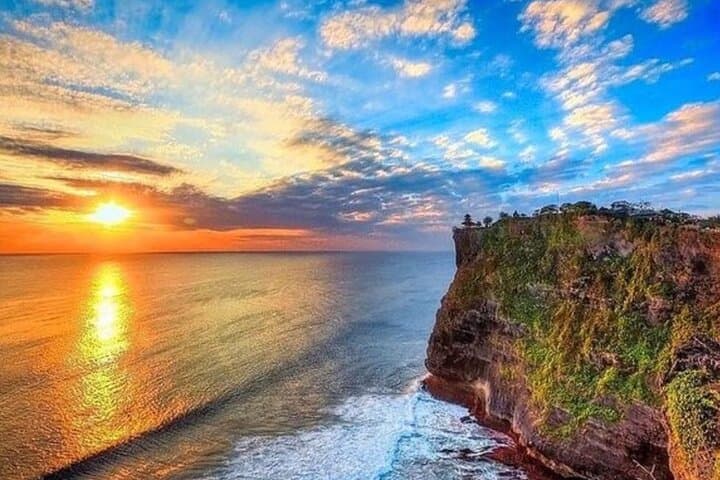
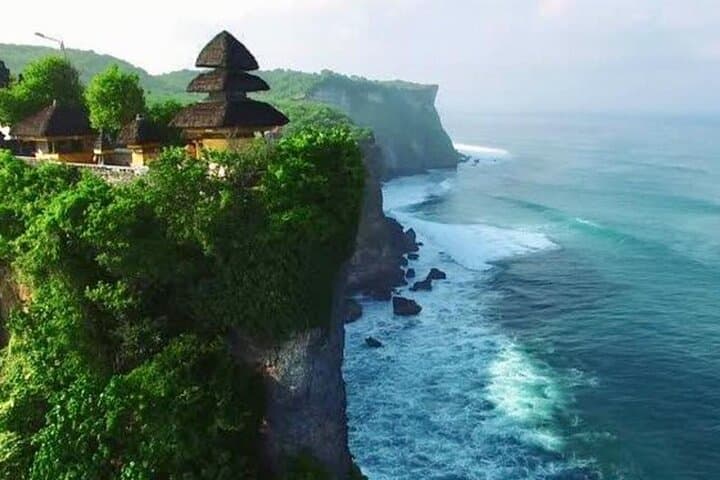
You arrive at the cliff’s edge as the Indian Ocean shifts color—blue to molten bronze—and the air tastes faintly of salt and incense. Waves punch at the limestone below and the temple perches, uncompromising, facing the sea. The path down to Padang Padang slips between steep rock walls; sunlight threads through the gap and the cove opens like a private stage.
Verified experiences and guided adventures in the surrounding area.
Operated by Best Adventure In Bali · Uluwatu (Pecatu), Bali
You arrive at the cliff’s edge as the Indian Ocean shifts color—blue to molten bronze—and the air tastes faintly of salt and incense. Waves punch at the limestone below and the temple perches, uncompromising, facing the sea. The path down to Padang Padang slips between steep rock walls; sunlight threads through the gap and the cove opens like a private stage.
Uluwatu Temple (Pura Luhur Uluwatu) is one of Bali’s sea temples, built on sheer rock outcrops with origins in 11th–16th century Balinese Hindu practice. The Bukit Peninsula’s limestone cliffs are ancient coral uplift, eroded into ledges, caves and stair-stepped shorelines that shape the dramatic surf here. Cultural life centers on ritual and performance: the Kecak and Fire Dance, staged nightly in a clifftop amphitheatre, reenacts episodes from the Ramayana with a chorus that circles like waves pushing toward the flame.
Practical guidance: plan for 7–8 hours; expect moderate walking and many steps at the temple and beach. Bring modest clothing for temple entry (a sarong or wrap is enforced at many sites), sun protection, and sturdy shoes for uneven paths. Timing matters—arrive for late afternoon to catch daylight on the cliffs, then settle for the golden-hour dance. Hydrate; small kiosks sell drinks but cash helps. Photography is excellent but keep respect for worshippers and performers. The tour combines culture, geology and shoreline access in a single day—an efficient way to see southern Bali’s coastal drama without skipping the practicalities that make the visit smooth and respectful.
easy.
7–8 hours.
Light fitness; involves walking, stair descent/ascent, and standing during performances. Suitable for most travelers.
Yes—most tours include Uluwatu Temple admission and a ticket for the Kecak performance; confirm at booking for any changes.
Swimming is possible in the sheltered cove when conditions are calm, but riptides and surf can be strong—follow local advice and lifeguard warnings.
Generally yes, but there are many steps and cliffside areas; those with mobility issues should check accessibility and request pickup/drop-off details in advance.
Casual, modest clothing is appropriate; evenings can be cooler near the cliff so a light layer is useful. Respectful behavior during performances is expected.
Pura Luhur Uluwatu dates from historic Balinese Hindu tradition and occupies a strategic promontory used for sea-facing worship and community rituals.
Erosion and visitor pressure threaten cliff paths and shoreline reefs; follow marked trails, avoid coral collecting, and support local waste-reduction efforts.
Best Adventure In Bali operates guided outdoor trips and adventures with an emphasis on safety, stewardship, and memorable experiences.
You arrive at the cliff’s edge as the Indian Ocean shifts color—blue to molten bronze—and the air tastes faintly of salt and incense. Waves punch at the limestone below and the temple perches, uncompromising, facing the sea. The path down to Padang Padang slips between steep rock walls; sunlight threads through the gap and the cove opens like a private stage.
You arrive at the cliff’s edge as the Indian Ocean shifts color—blue to molten bronze—and the air tastes faintly of salt and incense. Waves punch at the limestone below and the temple perches, uncompromising, facing the sea. The path down to Padang Padang slips between steep rock walls; sunlight threads through the gap and the cove opens like a private stage.
Uluwatu Temple (Pura Luhur Uluwatu) is one of Bali’s sea temples, built on sheer rock outcrops with origins in 11th–16th century Balinese Hindu practice. The Bukit Peninsula’s limestone cliffs are ancient coral uplift, eroded into ledges, caves and stair-stepped shorelines that shape the dramatic surf here. Cultural life centers on ritual and performance: the Kecak and Fire Dance, staged nightly in a clifftop amphitheatre, reenacts episodes from the Ramayana with a chorus that circles like waves pushing toward the flame.
Practical guidance: plan for 7–8 hours; expect moderate walking and many steps at the temple and beach. Bring modest clothing for temple entry (a sarong or wrap is enforced at many sites), sun protection, and sturdy shoes for uneven paths. Timing matters—arrive for late afternoon to catch daylight on the cliffs, then settle for the golden-hour dance. Hydrate; small kiosks sell drinks but cash helps. Photography is excellent but keep respect for worshippers and performers. The tour combines culture, geology and shoreline access in a single day—an efficient way to see southern Bali’s coastal drama without skipping the practicalities that make the visit smooth and respectful.