THE ADVENTURE COLLECTIVE® · Independent discovery and booking for outdoor travel

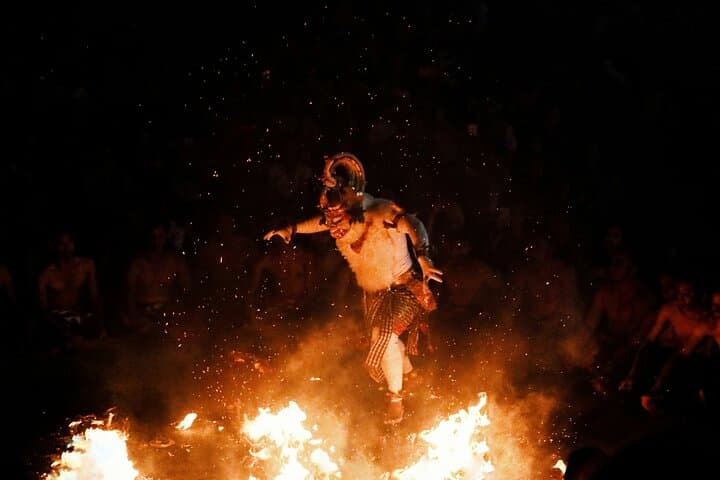
Watch the sun drop behind the cliffside shrines at Uluwatu, then feel the pulse of the Kecak fire dance as it unfolds into night. This half-day to full-day coastal loop mixes ancient temple rites, dramatic limestone cliffs, and a seaside seafood finale.
Watch the sun drop behind the cliffside shrines at Uluwatu, then feel the pulse of the Kecak fire dance as it unfolds into night. This half-day to full-day coastal loop mixes ancient temple rites, dramatic limestone cliffs, and a seaside seafood finale.
You arrive at the cliff edge as the sun begins to fall, wind pushing the salt spray inland and the ocean daring you to look down the steep limestone face. The silhouette of Pura Luhur Uluwatu perches on the rim, its multi-tiered shrines cutting a sharp line against the brightening sky; nearby, the air holds the low, cyclical chant that will grow into the Kecak fire dance.
Verified experiences and guided adventures in the surrounding area.
Operated by WanderlustBali · Uluwatu (Pecatu), Bali
You arrive at the cliff edge as the sun begins to fall, wind pushing the salt spray inland and the ocean daring you to look down the steep limestone face. The silhouette of Pura Luhur Uluwatu perches on the rim, its multi-tiered shrines cutting a sharp line against the brightening sky; nearby, the air holds the low, cyclical chant that will grow into the Kecak fire dance.
The temple dates to the 11th century and stands on the southern Bukit Peninsula where uplifted coral limestone creates sheer cliffs and natural amphitheaters. Garuda Wisnu Kencana, a modern cultural park on the route, offers a counterpoint: contemporary monumental sculpture and curated exhibitions about Balinese mythology and artistry. The Kecak performance itself is an oral, communal retelling of the Ramayana—men’s rhythmic chanting, fire, and gestural storytelling—rooted in local ritual rather than staged theatre.
Practical side: the tour is an afternoon-to-evening loop — expect 6–8 hours if you include GWK, Uluwatu, the Kecak show, and optional Jimbaran dinner. Entrance fees are commonly paid on-site; carry cash and small bills. The cliff walk involves uneven steps and windy viewpoints, so wear grippy shoes and a light layer. Be vigilant around macaque monkeys; secure loose items and backpacks. Bring a camera with a low-light setting for the dance, and plan to arrive before sunset to secure a good vantage. Late afternoons are busiest—book transport or transfers that allow flexible pickup times. For a short coastal cultural outing that combines geology, living tradition, and culinary finish, this tour delivers high drama with low technical demand.
easy.
6–8 hours.
Suitable for most fitness levels; involves walking on uneven stone paths and stairs but no technical exertion.
No—most temple entry fees, Kecak seating, and optional Jimbaran dinner are paid on-site; bring local cash for quick payment.
Children and most fitness levels can参加 but expect stairs and uneven paths; those with significant mobility limitations may find cliffside access restricted.
Kecak performances are commonly scheduled around sunset but start times vary seasonally—confirm locally and arrive early for seating.
They’re more of a nuisance than a danger: they may grab loose items and sometimes bite if provoked. Keep distance and secure belongings.
Pura Luhur Uluwatu is one of Bali’s directional sea temples, established in the 11th century to guard the island from malevolent sea spirits; the modern GWK park showcases contemporary cultural interpretations.
Cliff erosion and visitor pressure are managed by local authorities—stick to marked paths, don’t feed wildlife, and dispose of waste locally to reduce impact.
WanderlustBali operates guided outdoor trips and adventures with an emphasis on safety, stewardship, and memorable experiences.
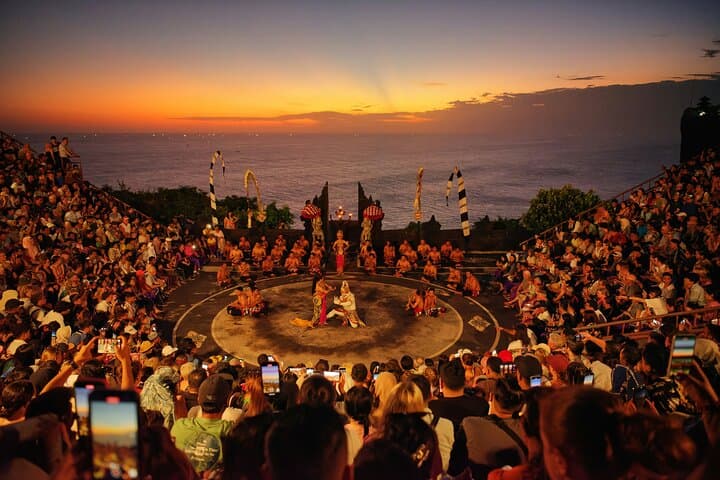
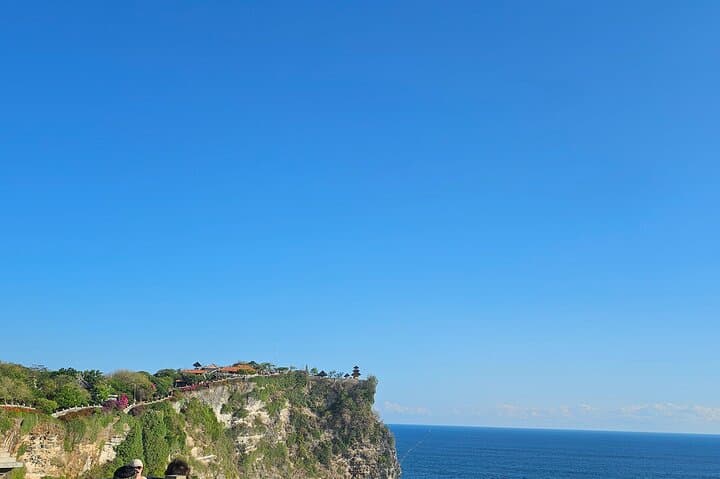
You arrive at the cliff edge as the sun begins to fall, wind pushing the salt spray inland and the ocean daring you to look down the steep limestone face. The silhouette of Pura Luhur Uluwatu perches on the rim, its multi-tiered shrines cutting a sharp line against the brightening sky; nearby, the air holds the low, cyclical chant that will grow into the Kecak fire dance.
You arrive at the cliff edge as the sun begins to fall, wind pushing the salt spray inland and the ocean daring you to look down the steep limestone face. The silhouette of Pura Luhur Uluwatu perches on the rim, its multi-tiered shrines cutting a sharp line against the brightening sky; nearby, the air holds the low, cyclical chant that will grow into the Kecak fire dance.
The temple dates to the 11th century and stands on the southern Bukit Peninsula where uplifted coral limestone creates sheer cliffs and natural amphitheaters. Garuda Wisnu Kencana, a modern cultural park on the route, offers a counterpoint: contemporary monumental sculpture and curated exhibitions about Balinese mythology and artistry. The Kecak performance itself is an oral, communal retelling of the Ramayana—men’s rhythmic chanting, fire, and gestural storytelling—rooted in local ritual rather than staged theatre.
Practical side: the tour is an afternoon-to-evening loop — expect 6–8 hours if you include GWK, Uluwatu, the Kecak show, and optional Jimbaran dinner. Entrance fees are commonly paid on-site; carry cash and small bills. The cliff walk involves uneven steps and windy viewpoints, so wear grippy shoes and a light layer. Be vigilant around macaque monkeys; secure loose items and backpacks. Bring a camera with a low-light setting for the dance, and plan to arrive before sunset to secure a good vantage. Late afternoons are busiest—book transport or transfers that allow flexible pickup times. For a short coastal cultural outing that combines geology, living tradition, and culinary finish, this tour delivers high drama with low technical demand.