THE ADVENTURE COLLECTIVE® · Independent discovery and booking for outdoor travel

Watch Uluru change color from rust to purple with a glass of sparkling wine in hand. This short sunset tour from Ayers Rock Resort pairs cultural context, comfortable transport, and a prime viewing platform.
Watch Uluru change color from rust to purple with a glass of sparkling wine in hand. This short sunset tour from Ayers Rock Resort pairs cultural context, comfortable transport, and a prime viewing platform.
The bus eases off the paved road and the air thins into red dust and scent of spinifex. You step onto a low dune as the western horizon begins to glow; Uluru fills the scene — a hulking presence that seems to breathe color. The guide pours a small measure of sparkling wine, passes around nibbles, and the crowd falls quiet. As the sun slides down, the rock shifts from rust to deep purple, then to a silhouette edged in cobalt. This is the ritual of Uluru at sunset: slow, communal, quietly reverent.
Verified experiences and guided adventures in the surrounding area.
Operated by AAT Kings · Yulara, Northern Territory
The bus eases off the paved road and the air thins into red dust and scent of spinifex. You step onto a low dune as the western horizon begins to glow; Uluru fills the scene — a hulking presence that seems to breathe color. The guide pours a small measure of sparkling wine, passes around nibbles, and the crowd falls quiet. As the sun slides down, the rock shifts from rust to deep purple, then to a silhouette edged in cobalt. This is the ritual of Uluru at sunset: slow, communal, quietly reverent.
Uluru/Kata Tjuta National Park is both a geological monolith and a living cultural landscape. The sandstone slab formed from an ancient seabed and compressed sediments; its iron-rich surface oxidizes across the day, creating the dramatic color changes that draw visitors. For the Anangu people — traditional owners of the land — Uluru is inseparable from Tjukurpa, the law and storylines that map creation events to specific rock features and waterholes. The sunset viewing platform was established to concentrate spectators away from sensitive areas, allowing people to absorb the spectacle without crossing cultural boundaries.
Practicality shapes the experience. The tour departs from Ayers Rock Resort about an hour before sunset, so arrival times vary with the season; hotel pick-up and drop-off are included. The official viewing area offers benches and dunes for standing room; refreshments are served, and a guide provides context on geology and Anangu tradition. Note: park admission (paid separately) is required.
Plan for extremes. Evenings can chill quickly in winter; summer delivers intense heat and flies. Wear enclosed shoes for sandy paths, and layers you can shed as temperatures change after sunset. Bring water, a light headlamp for the walk back to the coach, and a camera with a small tripod if you want low-light shots. Respect signage and the Anangu request not to climb Uluru — the sunset view is intentionally designed to be communal and contemplative rather than combative.
Beyond the main event, consider arriving earlier to watch the light change across the surrounding plain, or combine the sunset with a prior Mala Walk or Field of Light visit for a different mood. The whole operation runs like clockwork: a comfortable coach, informed commentary, and a short, accessible walk to the vantage. For travelers who want an efficient, emotionally resonant encounter with Australia’s central desert, this sunset tour delivers the essentials — color, scale, and context — in a compact, respectful package.
easy.
1.5–2 hours.
Suitable for all fitness levels; requires short, mostly flat walk over sand and low dunes
No — Uluru-Kata Tjuta National Park tickets are required separately; purchase online beforehand or ask the operator for guidance.
The tour typically departs about one hour before sunset; exact pickup times change seasonally, so reconfirm with the operator 24–48 hours prior.
No — climbing Uluru is closed in respect of Anangu wishes and current park regulations; the sunset viewing area provides spectacular vistas without climbing.
Yes — the official sunset viewing area has accessible paths and facilities, and the tour notes wheelchair accessibility; confirm any specific assistance requirements when booking.
Sparkling wine and light nibbles are included during the sunset; bring extra snacks if you have dietary needs and inform the operator when booking.
A small tripod, extra batteries, and a wide-angle lens are useful; arrive early to claim a good vantage and shoot through the golden to blue hour transitions.
Uluru is a sacred site to the Anangu people and features in numerous Tjukurpa creation stories; it has been a focal point for Indigenous law and culture for millennia.
Visitors are asked to stay on designated paths, respect cultural protocols, and purchase park entry tickets that fund conservation and community programs.
AAT Kings operates guided outdoor trips and adventures with an emphasis on safety, stewardship, and memorable experiences.
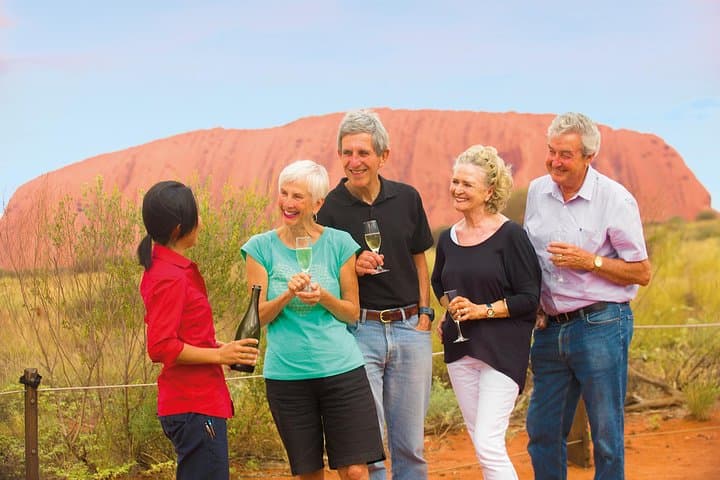
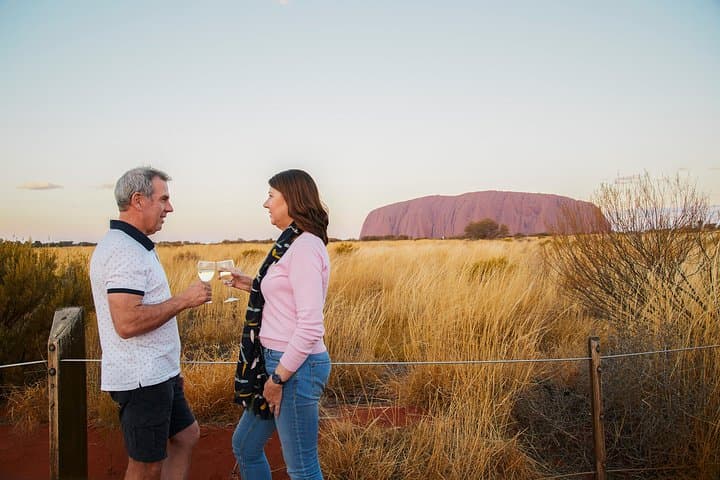
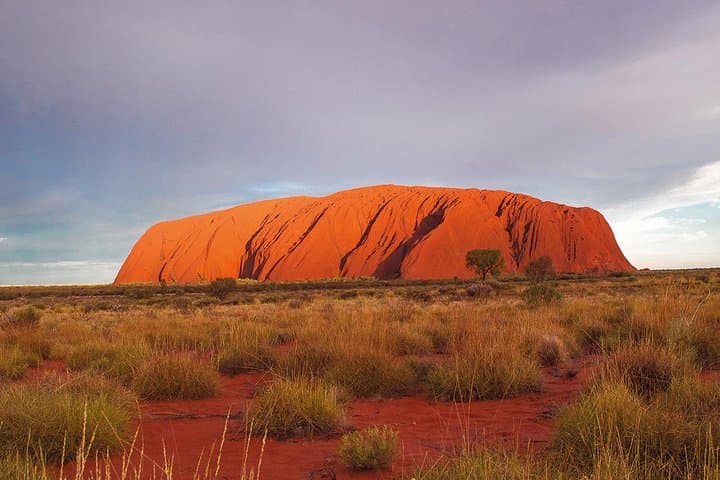

The bus eases off the paved road and the air thins into red dust and scent of spinifex. You step onto a low dune as the western horizon begins to glow; Uluru fills the scene — a hulking presence that seems to breathe color. The guide pours a small measure of sparkling wine, passes around nibbles, and the crowd falls quiet. As the sun slides down, the rock shifts from rust to deep purple, then to a silhouette edged in cobalt. This is the ritual of Uluru at sunset: slow, communal, quietly reverent.
The bus eases off the paved road and the air thins into red dust and scent of spinifex. You step onto a low dune as the western horizon begins to glow; Uluru fills the scene — a hulking presence that seems to breathe color. The guide pours a small measure of sparkling wine, passes around nibbles, and the crowd falls quiet. As the sun slides down, the rock shifts from rust to deep purple, then to a silhouette edged in cobalt. This is the ritual of Uluru at sunset: slow, communal, quietly reverent.
Uluru/Kata Tjuta National Park is both a geological monolith and a living cultural landscape. The sandstone slab formed from an ancient seabed and compressed sediments; its iron-rich surface oxidizes across the day, creating the dramatic color changes that draw visitors. For the Anangu people — traditional owners of the land — Uluru is inseparable from Tjukurpa, the law and storylines that map creation events to specific rock features and waterholes. The sunset viewing platform was established to concentrate spectators away from sensitive areas, allowing people to absorb the spectacle without crossing cultural boundaries.
Practicality shapes the experience. The tour departs from Ayers Rock Resort about an hour before sunset, so arrival times vary with the season; hotel pick-up and drop-off are included. The official viewing area offers benches and dunes for standing room; refreshments are served, and a guide provides context on geology and Anangu tradition. Note: park admission (paid separately) is required.
Plan for extremes. Evenings can chill quickly in winter; summer delivers intense heat and flies. Wear enclosed shoes for sandy paths, and layers you can shed as temperatures change after sunset. Bring water, a light headlamp for the walk back to the coach, and a camera with a small tripod if you want low-light shots. Respect signage and the Anangu request not to climb Uluru — the sunset view is intentionally designed to be communal and contemplative rather than combative.
Beyond the main event, consider arriving earlier to watch the light change across the surrounding plain, or combine the sunset with a prior Mala Walk or Field of Light visit for a different mood. The whole operation runs like clockwork: a comfortable coach, informed commentary, and a short, accessible walk to the vantage. For travelers who want an efficient, emotionally resonant encounter with Australia’s central desert, this sunset tour delivers the essentials — color, scale, and context — in a compact, respectful package.