THE ADVENTURE COLLECTIVE® · Independent discovery and booking for outdoor travel

Watch Uluru shift color at sunset, then dine under open desert sky at an outback barbecue before a guided star talk. This 3–4 hour evening tour blends geology, Anangu stories and southern-hemisphere stargazing.
Watch Uluru shift color at sunset, then dine under open desert sky at an outback barbecue before a guided star talk. This 3–4 hour evening tour blends geology, Anangu stories and southern-hemisphere stargazing.
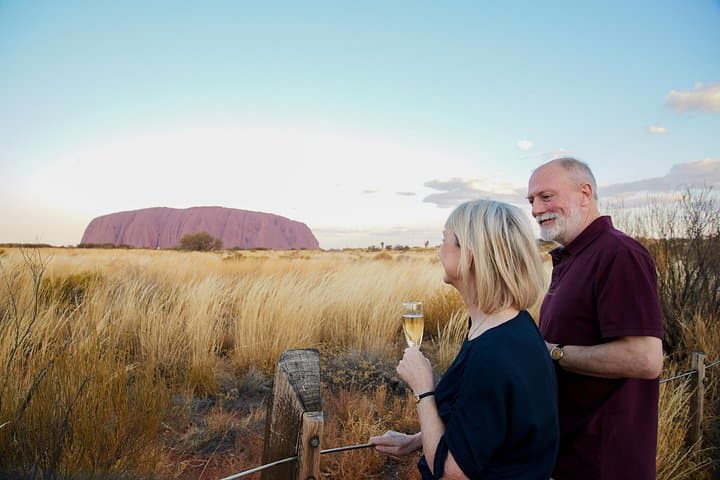
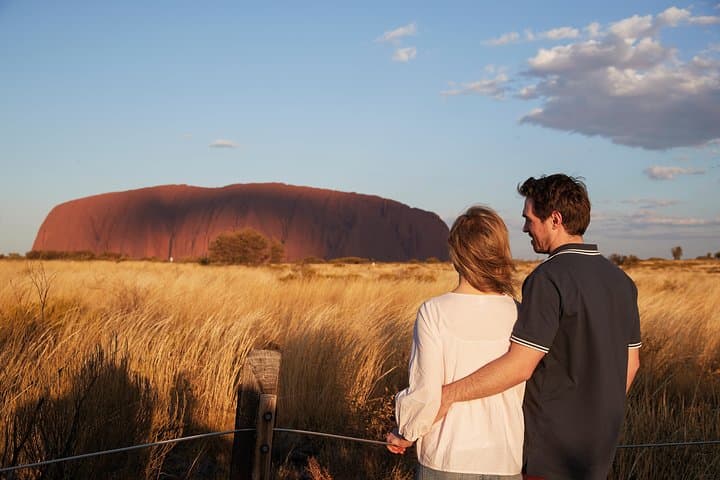
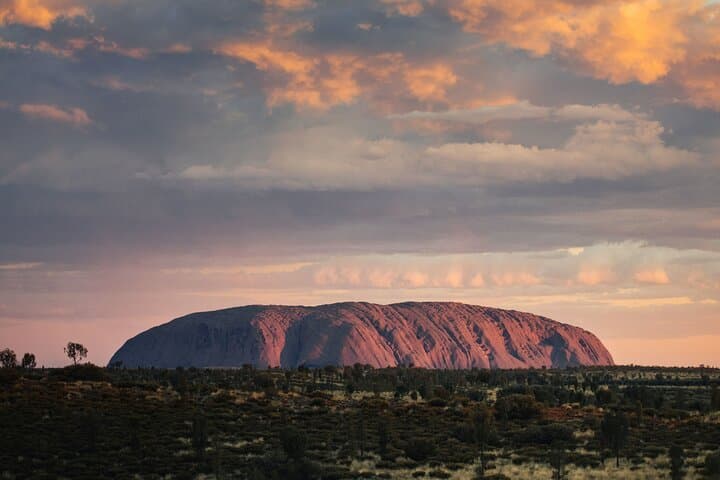
You arrive at the viewing platform an hour before sunset and the desert does what it’s practiced doing for millennia — it shifts. The red sand cools, the spinifex brushes whisper as a low wind moves through the dunes, and Uluru stands in the distance like geology on slow-motion display. As sun slides toward the horizon, the rock’s face begins to change color in stages: rust, brick, then the deep purple that reads like a closing chapter.
Verified experiences and guided adventures in the surrounding area.
Operated by AAT Kings · Yulara, Northern Territory
You arrive at the viewing platform an hour before sunset and the desert does what it’s practiced doing for millennia — it shifts. The red sand cools, the spinifex brushes whisper as a low wind moves through the dunes, and Uluru stands in the distance like geology on slow-motion display. As sun slides toward the horizon, the rock’s face begins to change color in stages: rust, brick, then the deep purple that reads like a closing chapter.
This evening tour takes the performance off the main road. After a short drive from Ayers Rock Resort, guests are offered sparkling wine and nibbles while the guide explains Uluru’s geology and the Tjukurpa (creation) stories of the Anangu people that map law, land and sky. The group then transfers to a barbecue site set among desert oaks and dunes — far enough from resort lights to keep the southern sky raw and bright.
The barbecue is simple and honest: grilled Australian meats, seasonal salads and fresh bread, finished with tea, coffee and dessert. Conversation drifts between the savory smells of the grill and the slow rise of the first stars. A resident star guide uses a high-beam spotlight to point out the Southern Cross, the Magellanic Clouds and the bright river of the Milky Way, connecting western celestial names with Aboriginal star lore. It’s an accessible mix of science and story that makes the heavens feel like a map you can step into.
Uluru-Kata Tjuta National Park is volcanic and ancient; Uluru itself is a sandstone monolith formed from sediment and later uplifted and sculpted by wind and water. Its presence has shaped local culture for tens of thousands of years. The tour includes practical briefings: park pass requirement (AU$38 per adult), pickup from Ayers Rock Resort, and a reminder that sunset times vary with the season — the tour departs roughly one hour before sunset and lasts about 3–4 hours.
For travelers, the trip is low impact physically but high on sensory payoff. Bring enclosed shoes for the site, a warm layer for desert nights, and insect protection in summer. Accessibility is good — the barbecue area and transport accommodate wheelchairs — but stargazing and weather conditions can affect the experience. If the sky is clouded, guides pivot to cultural storytelling and astronomy talk under dim skies.
This evening is less about ticking a checklist and more about time slowing to match the outback’s tempo: food that grounds you, a rock that reminds you of deep time, and stars that dare you to relearn directions.
easy.
3–4 hours.
Minimal fitness required—mostly seated and short walks; suitable for most travelers.
Yes—Uluru-Kata Tjuta National Park passes are required (AU$38 per adult); purchase online ahead of arrival or ask your operator to advise.
The tour departs about 1 hour before local sunset; exact pickup times change seasonally—confirm 24–48 hours in advance.
Yes—advise AAT Kings of dietary needs at booking so the barbecue menu can be adjusted where possible.
Yes—families are welcome; infants must sit on laps, and the experience includes minimal walking and seated dining.
Stargazing depends on weather; if skies are cloudy guides focus on cultural astronomy and indoor commentary as an alternative.
The barbecue and transport are wheelchair accessible, but contact the operator ahead of time for specific assistance needs.
Uluru has been a sacred place for the Anangu for tens of thousands of years; many features on the rock connect to creation stories and traditional law.
Visitors must stay on designated areas and respect cultural restrictions; the park manages light and visitor impact to protect nocturnal wildlife and dark-sky values.
AAT Kings operates guided outdoor trips and adventures with an emphasis on safety, stewardship, and memorable experiences.

You arrive at the viewing platform an hour before sunset and the desert does what it’s practiced doing for millennia — it shifts. The red sand cools, the spinifex brushes whisper as a low wind moves through the dunes, and Uluru stands in the distance like geology on slow-motion display. As sun slides toward the horizon, the rock’s face begins to change color in stages: rust, brick, then the deep purple that reads like a closing chapter.
You arrive at the viewing platform an hour before sunset and the desert does what it’s practiced doing for millennia — it shifts. The red sand cools, the spinifex brushes whisper as a low wind moves through the dunes, and Uluru stands in the distance like geology on slow-motion display. As sun slides toward the horizon, the rock’s face begins to change color in stages: rust, brick, then the deep purple that reads like a closing chapter.
This evening tour takes the performance off the main road. After a short drive from Ayers Rock Resort, guests are offered sparkling wine and nibbles while the guide explains Uluru’s geology and the Tjukurpa (creation) stories of the Anangu people that map law, land and sky. The group then transfers to a barbecue site set among desert oaks and dunes — far enough from resort lights to keep the southern sky raw and bright.
The barbecue is simple and honest: grilled Australian meats, seasonal salads and fresh bread, finished with tea, coffee and dessert. Conversation drifts between the savory smells of the grill and the slow rise of the first stars. A resident star guide uses a high-beam spotlight to point out the Southern Cross, the Magellanic Clouds and the bright river of the Milky Way, connecting western celestial names with Aboriginal star lore. It’s an accessible mix of science and story that makes the heavens feel like a map you can step into.
Uluru-Kata Tjuta National Park is volcanic and ancient; Uluru itself is a sandstone monolith formed from sediment and later uplifted and sculpted by wind and water. Its presence has shaped local culture for tens of thousands of years. The tour includes practical briefings: park pass requirement (AU$38 per adult), pickup from Ayers Rock Resort, and a reminder that sunset times vary with the season — the tour departs roughly one hour before sunset and lasts about 3–4 hours.
For travelers, the trip is low impact physically but high on sensory payoff. Bring enclosed shoes for the site, a warm layer for desert nights, and insect protection in summer. Accessibility is good — the barbecue area and transport accommodate wheelchairs — but stargazing and weather conditions can affect the experience. If the sky is clouded, guides pivot to cultural storytelling and astronomy talk under dim skies.
This evening is less about ticking a checklist and more about time slowing to match the outback’s tempo: food that grounds you, a rock that reminds you of deep time, and stars that dare you to relearn directions.