THE ADVENTURE COLLECTIVE® · Independent discovery and booking for outdoor travel

Choose sunrise or sunset on a private Uluru tour and you’ll watch this great rock shift color while learning its stories from local guides. Expect short cultural walks, rock art caves, and a slow, informative pace that prioritizes Anangu voices.
Choose sunrise or sunset on a private Uluru tour and you’ll watch this great rock shift color while learning its stories from local guides. Expect short cultural walks, rock art caves, and a slow, informative pace that prioritizes Anangu voices.
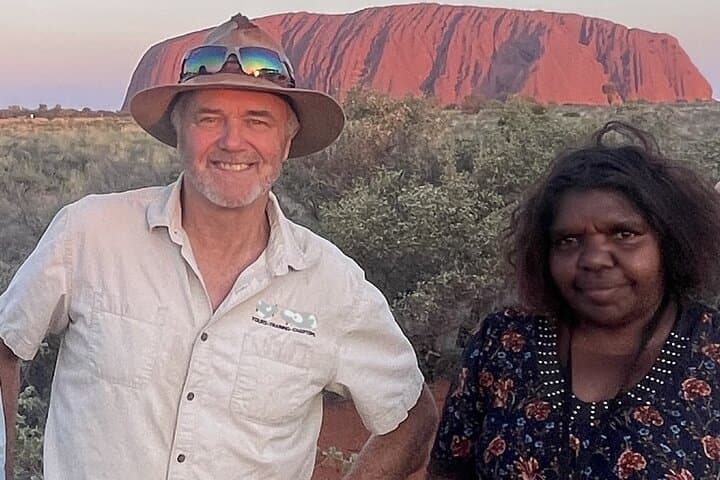
At first light the rock seems to wake — a low, warm glow unfurls across a face older than the maps that try to name it. On a private Uluru tour, the dawn (or evening) is not just a photograph; it’s a slow reveal. Guides steer the vehicle through ochre sand and low spinifex, drop you at a dune viewpoint, and the rock, vast and silent, begins to change color as the sun negotiates the horizon.
Verified experiences and guided adventures in the surrounding area.
Operated by Australian Private Tours · Yulara, Northern Territory
At first light the rock seems to wake — a low, warm glow unfurls across a face older than the maps that try to name it. On a private Uluru tour, the dawn (or evening) is not just a photograph; it’s a slow reveal. Guides steer the vehicle through ochre sand and low spinifex, drop you at a dune viewpoint, and the rock, vast and silent, begins to change color as the sun negotiates the horizon.
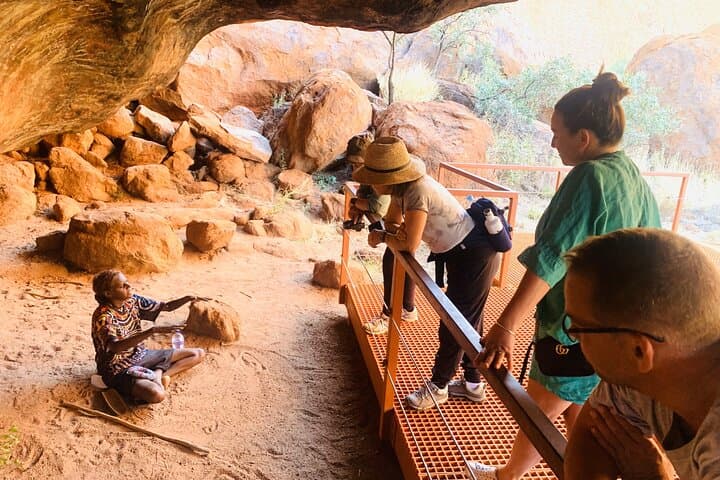
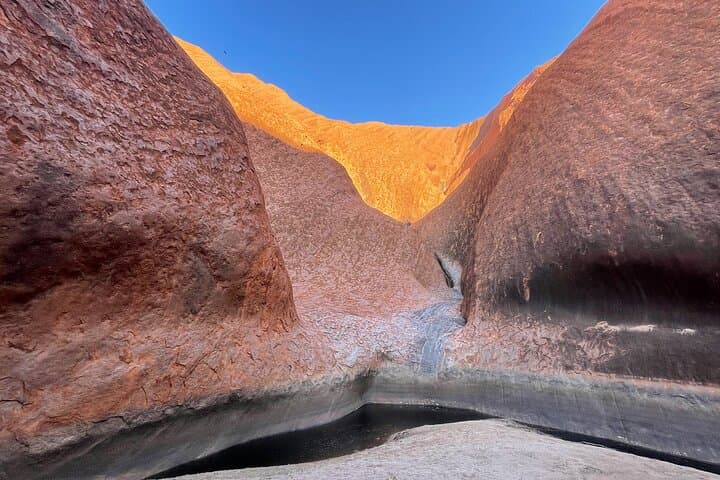
The land here is both geological oddity and cultural archive. Uluru is arkose sandstone laid down roughly 550 million years ago and later tilted upright by tectonic forces; its recorded grooves, caves and waterholes are natural features that Anangu elders have woven into stories, law and place for generations. The tour crosses both kinds of history: you walk the Mala Walk where pre-colonial ceremonies were taught, pause at Mutitjulu Waterhole to listen to the echo of ancestral stories, and step into shaded caves where rock art marks human presence across centuries.
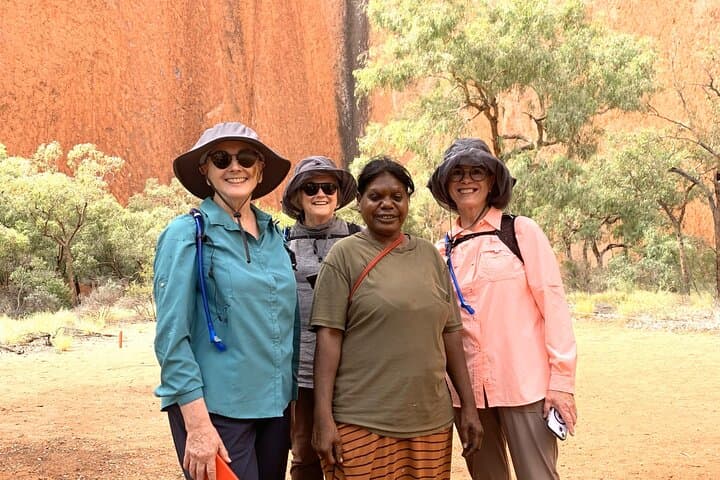
The guides running these private visits are locally based and work alongside the Anangu community — on request an Anangu guide can join for an explanation of cultural protocols, the meanings of particular rock features, and why climbing Uluru is no longer appropriate practice. The itinerary balances short, flat walks (Kuniya Walk, Mala Walk) with interpretive stops at caves and the dune lookout for sunrise or sunset photography.
Beyond culture, the park is a desert ecosystem that responds sharply to timing: mornings are cool and breathable, midday becomes immediate sun. Wildlife is discreet — thorny devils scuttle, wedge-tailed eagles cruise thermals — yet the environment shapes every choice you make on the tour: footwear, water, and rhythm.
Practical guidance: choose sunrise for softer light and cooler temperatures; sunset offers dramatic color but cooler waits. Tours are typically half-day (around four hours), include private transport and bottled water, and can collect from major Yulara hotels or the airport. Note the national park requires a valid park pass, and operators often include logistics and GST but check details when you book. Respect directional markers and culturally restricted areas; photography is allowed in most places but ask before photographing people or sacred sites.
For travelers who want context with comfort, a private tour is efficient — you cover the highlights without the crowd, hear deeper cultural interpretation, and get flexible pacing. Bring a hat, layered sun protection, a refillable water bottle, and an openness to listen: here, the landscape speaks in stories and weather alike.
easy.
4 hours.
Suitable for most fitness levels; walking is short, mostly flat and on compacted paths but some sandy patches and low steps exist.
Anangu guides can be included on request but are not guaranteed; request at booking and operators will confirm availability.
Yes — Uluru-Kata Tjuta National Park requires a park pass for all visitors; many tour operators include this in the booking but confirm before departure.
Many areas and vehicles are wheelchair accessible, and the operator lists accessibility options — mention needs at booking so they can arrange appropriate pickup and routing.
No — climbing Uluru has been closed in deference to Anangu law; tours focus on walks, waterholes and rock art instead.
Tours generally operate in most weather, but extreme heat or storms could alter timings; confirm cancellation and contingency policies when you book.
This half-day tour typically includes bottled water and transport; full meals are usually not provided unless specified in the tour package.
Uluru is part of traditional Anangu country with stories and law tied directly to the rock’s features; ownership and joint management by Anangu and Parks Australia shape visitor experiences.
Park management focuses on protecting cultural values and fragile desert ecology — stick to marked trails, avoid disturbing rock art, and use designated viewing areas to limit impact.
Australian Private Tours operates guided outdoor trips and adventures with an emphasis on safety, stewardship, and memorable experiences.
At first light the rock seems to wake — a low, warm glow unfurls across a face older than the maps that try to name it. On a private Uluru tour, the dawn (or evening) is not just a photograph; it’s a slow reveal. Guides steer the vehicle through ochre sand and low spinifex, drop you at a dune viewpoint, and the rock, vast and silent, begins to change color as the sun negotiates the horizon.
At first light the rock seems to wake — a low, warm glow unfurls across a face older than the maps that try to name it. On a private Uluru tour, the dawn (or evening) is not just a photograph; it’s a slow reveal. Guides steer the vehicle through ochre sand and low spinifex, drop you at a dune viewpoint, and the rock, vast and silent, begins to change color as the sun negotiates the horizon.
The land here is both geological oddity and cultural archive. Uluru is arkose sandstone laid down roughly 550 million years ago and later tilted upright by tectonic forces; its recorded grooves, caves and waterholes are natural features that Anangu elders have woven into stories, law and place for generations. The tour crosses both kinds of history: you walk the Mala Walk where pre-colonial ceremonies were taught, pause at Mutitjulu Waterhole to listen to the echo of ancestral stories, and step into shaded caves where rock art marks human presence across centuries.
The guides running these private visits are locally based and work alongside the Anangu community — on request an Anangu guide can join for an explanation of cultural protocols, the meanings of particular rock features, and why climbing Uluru is no longer appropriate practice. The itinerary balances short, flat walks (Kuniya Walk, Mala Walk) with interpretive stops at caves and the dune lookout for sunrise or sunset photography.
Beyond culture, the park is a desert ecosystem that responds sharply to timing: mornings are cool and breathable, midday becomes immediate sun. Wildlife is discreet — thorny devils scuttle, wedge-tailed eagles cruise thermals — yet the environment shapes every choice you make on the tour: footwear, water, and rhythm.
Practical guidance: choose sunrise for softer light and cooler temperatures; sunset offers dramatic color but cooler waits. Tours are typically half-day (around four hours), include private transport and bottled water, and can collect from major Yulara hotels or the airport. Note the national park requires a valid park pass, and operators often include logistics and GST but check details when you book. Respect directional markers and culturally restricted areas; photography is allowed in most places but ask before photographing people or sacred sites.
For travelers who want context with comfort, a private tour is efficient — you cover the highlights without the crowd, hear deeper cultural interpretation, and get flexible pacing. Bring a hat, layered sun protection, a refillable water bottle, and an openness to listen: here, the landscape speaks in stories and weather alike.