THE ADVENTURE COLLECTIVE® · Independent discovery and booking for outdoor travel

Two days of rainforest climbs, village homestays and a waterfall swim in the Uluguru Mountains near Morogoro. This multi-day trek blends cultural exchange with steady uphill hiking and ridgeline views.
Two days of rainforest climbs, village homestays and a waterfall swim in the Uluguru Mountains near Morogoro. This multi-day trek blends cultural exchange with steady uphill hiking and ridgeline views.
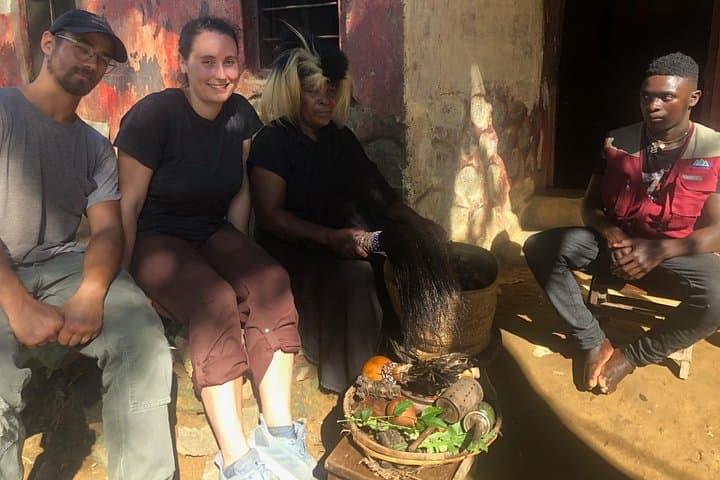
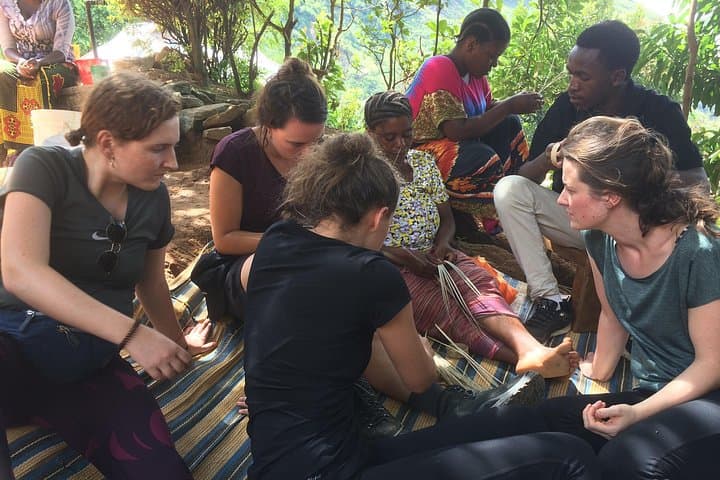
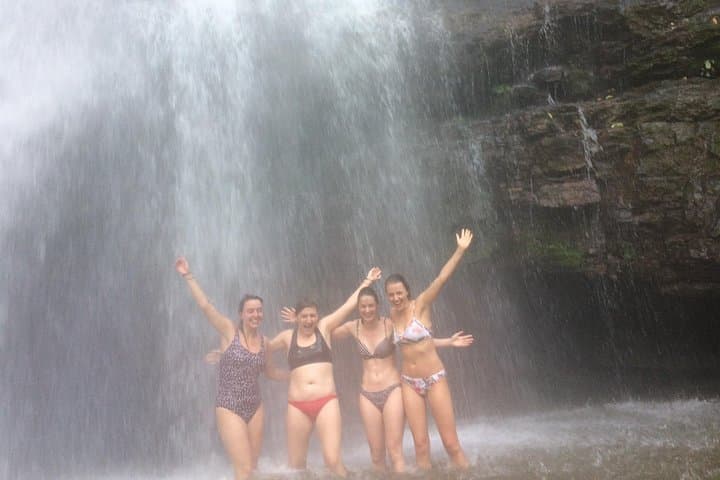
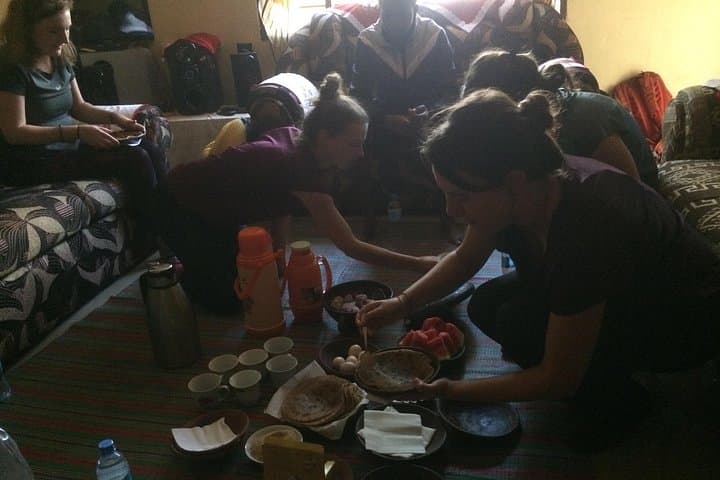
Morning light slices through rainforest ferns as the trail rises from Choma village, and the air smells of damp earth and cooking fires from lunching households. Day one threads past clay-pot makers and mat weavers, a route that feels less like a trail and more like a community corridor. Travelers pause at Choma Waterfalls where clear pools dare you to cool off before a homestay introduces Luguru food and stories around an open flame.
Verified experiences and guided adventures in the surrounding area.
Operated by Yetu Safaris · Morogoro, Morogoro Region
Morning light slices through rainforest ferns as the trail rises from Choma village, and the air smells of damp earth and cooking fires from lunching households. Day one threads past clay-pot makers and mat weavers, a route that feels less like a trail and more like a community corridor. Travelers pause at Choma Waterfalls where clear pools dare you to cool off before a homestay introduces Luguru food and stories around an open flame.
The Uluguru Mountains are part of the Eastern Arc, an ancient chain whose steep ridges and fertile valleys were shaped by long erosion and persistent rainfall. These slopes host montane rainforest unique to Tanzania and the Luguru people, whose villages and traditional healers maintain cultural practices visible along the route.
Expect narrow, root-strewn paths, sections of steep climb through mossy forest, and open ridgelines with wide views toward Morogoro town. The second day climbs to Bondwa Peak via rainforest, offering altitude, shade and occasional mist; cumulative ascent across both days typically reaches several hundred meters, so plan for sustained effort rather than technical scrambling.
Practically: carry a waterproof layer and at least 2–3 liters of water per day, wear broken-in boots with good grip, and start early to avoid afternoon showers. The trip mixes camping and home-stay lodging, so a light sleeping system and modest overnight gear suffice. Local guides lead navigation and cultural exchanges—bookings often include meals. For fitness, train with long uphill hikes and a loaded daypack. The Uluguru trail rewards steady pace and curiosity: the forest moves around you, and villages open like living museums.
challenging.
2 days (approx. 48 hours).
Requires high cardiovascular fitness and experience with sustained uphill hiking; able to carry a daypack and sleep in basic camping/homestay conditions.
You should be comfortable hiking uphill for several hours at a time with a daypack; guides note this itinerary is physically demanding and suited to those with good endurance.
The tour combines a homestay with a Luguru family on night one and a tented camping night at the Morning Side on night two; sleeping gear beyond basic mats may be needed.
Yes—local guides lead the route and the listed package includes breakfasts, lunches and dinners across the two days.
The dry months outside the long rains (roughly June–September and October–November windows) offer more stable trails and clearer views, though short rains can occur year-round.
The Uluguru highlands are part of the Eastern Arc Mountains; local Luguru communities have lived on these slopes for centuries and retain distinct cultural practices you'll encounter in village visits.
The Uluguru’s montane forest is ecologically sensitive; travel supports community-based projects and staying on trails helps reduce erosion and protect endemic species.
Yetu Safaris operates guided outdoor trips and adventures with an emphasis on safety, stewardship, and memorable experiences.
Morning light slices through rainforest ferns as the trail rises from Choma village, and the air smells of damp earth and cooking fires from lunching households. Day one threads past clay-pot makers and mat weavers, a route that feels less like a trail and more like a community corridor. Travelers pause at Choma Waterfalls where clear pools dare you to cool off before a homestay introduces Luguru food and stories around an open flame.
Morning light slices through rainforest ferns as the trail rises from Choma village, and the air smells of damp earth and cooking fires from lunching households. Day one threads past clay-pot makers and mat weavers, a route that feels less like a trail and more like a community corridor. Travelers pause at Choma Waterfalls where clear pools dare you to cool off before a homestay introduces Luguru food and stories around an open flame.
The Uluguru Mountains are part of the Eastern Arc, an ancient chain whose steep ridges and fertile valleys were shaped by long erosion and persistent rainfall. These slopes host montane rainforest unique to Tanzania and the Luguru people, whose villages and traditional healers maintain cultural practices visible along the route.
Expect narrow, root-strewn paths, sections of steep climb through mossy forest, and open ridgelines with wide views toward Morogoro town. The second day climbs to Bondwa Peak via rainforest, offering altitude, shade and occasional mist; cumulative ascent across both days typically reaches several hundred meters, so plan for sustained effort rather than technical scrambling.
Practically: carry a waterproof layer and at least 2–3 liters of water per day, wear broken-in boots with good grip, and start early to avoid afternoon showers. The trip mixes camping and home-stay lodging, so a light sleeping system and modest overnight gear suffice. Local guides lead navigation and cultural exchanges—bookings often include meals. For fitness, train with long uphill hikes and a loaded daypack. The Uluguru trail rewards steady pace and curiosity: the forest moves around you, and villages open like living museums.