THE ADVENTURE COLLECTIVE® · Independent discovery and booking for outdoor travel

Take the controls in a full-motion 4K helicopter simulator at Long Beach’s Atlantic Aviation complex. This one-hour, instructor-led session teaches foundational helicopter controls and offers a clear next step toward real flight training.
Take the controls in a full-motion 4K helicopter simulator at Long Beach’s Atlantic Aviation complex. This one-hour, instructor-led session teaches foundational helicopter controls and offers a clear next step toward real flight training.
You step into a hangar on the Atlantic Aviation ramp, the odor of jet fuel softened by concrete and sunlight spilling from wide doors. A full-motion cockpit waits, screens alive with a 4K coastal skyline: Long Beach to the west, Port terminals to the south. The simulator hums to life and the instructor's voice — calm, precise — guides your hands through collective, cyclic and anti-torque inputs as the phantom rotor nudges you into a stationary hover above the harbor.
Verified experiences and guided adventures in the surrounding area.
Operated by Anthelion Helicopters · Long Beach, California
You step into a hangar on the Atlantic Aviation ramp, the odor of jet fuel softened by concrete and sunlight spilling from wide doors. A full-motion cockpit waits, screens alive with a 4K coastal skyline: Long Beach to the west, Port terminals to the south. The simulator hums to life and the instructor's voice — calm, precise — guides your hands through collective, cyclic and anti-torque inputs as the phantom rotor nudges you into a stationary hover above the harbor.
Helicopters have been part of Southern California’s fabric since the 1920s, and Long Beach’s airfield has long hosted training and civilian aviation. The simulator mirrors that lineage: a tool used by students and pros to rehearse maneuvers without the noise, cost or emissions of an actual flight. Geographically the view is flat and coastal — the simulator highlights how airflows shift over water and urban grids, giving practical insight into local flying conditions.
Culturally, this is an intro to a technical craft; expect focused instruction, aviation jargon made plain, and the option to ask about formal flight training pathways after your session. The experience is indoors and accessible to most people, but pay attention to check-in rules: bring government photo ID, arrive 15 minutes early, and be sober — FAA rules apply.
Practical tips: wear comfortable clothing and closed-toe shoes, eat lightly if you're prone to motion sensitivity, and plan for 60 minutes in the appointment slot. If time allows, instructors can brief you on upgrading to a real flight lesson or local flight schools. This simulator gives a tight, low-risk window into helicopter control — useful, revealing, and immediately actionable for anyone curious about rotorcraft.
easy.
1 hour.
Suitable for most fitness levels; mostly seated, but requires basic neck mobility and ability to follow instructions
The booked session is approximately 60 minutes, including briefing, simulator time, and debrief.
Children must be accompanied by an adult; confirm age restrictions with the operator when booking as policies can vary.
Yes — instructors can discuss upgrades to an actual introductory flight subject to availability and scheduling.
Bring a valid government photo ID that matches the booking; intoxicated guests will be refused and may forfeit refunds per FAA regulations.
Long Beach Airport began as Daugherty Field in the 1920s and grew alongside Southern California’s early civil and military aviation presence.
Simulator training reduces fuel burn and emissions by keeping early-stage training off actual aircraft, a small but effective way to lower aviation’s carbon footprint.
Anthelion Helicopters operates guided outdoor trips and adventures with an emphasis on safety, stewardship, and memorable experiences.
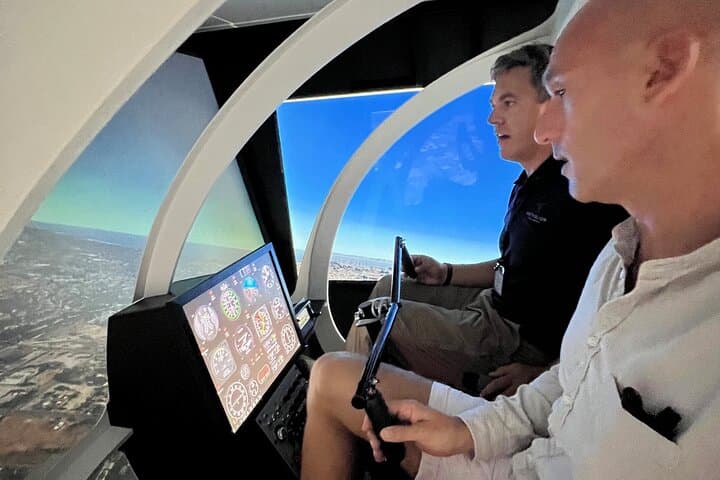
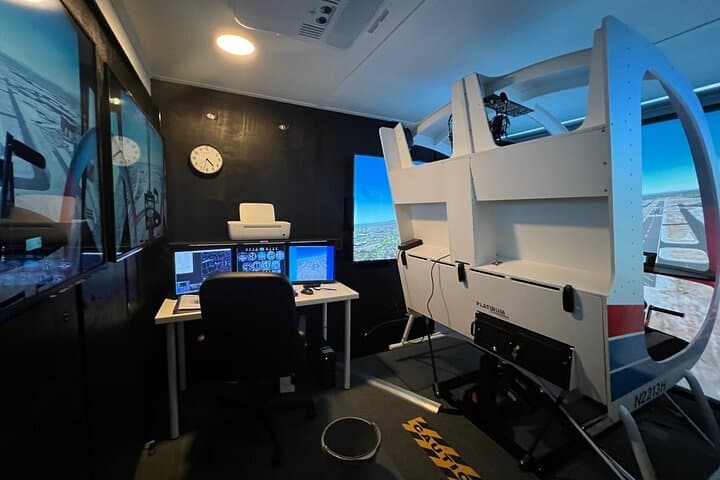
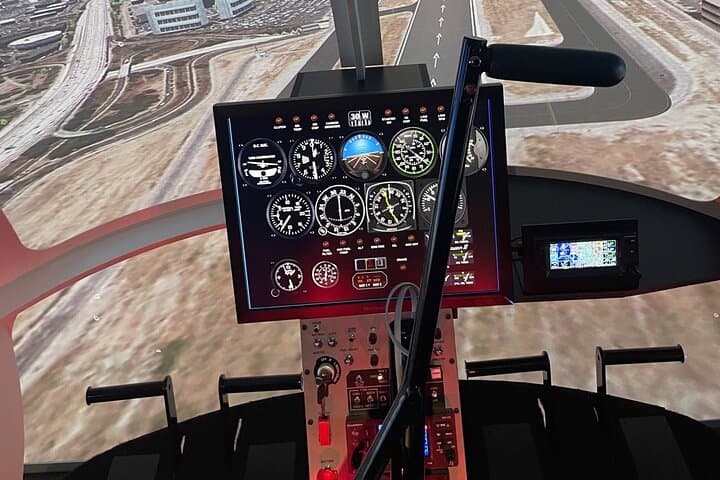
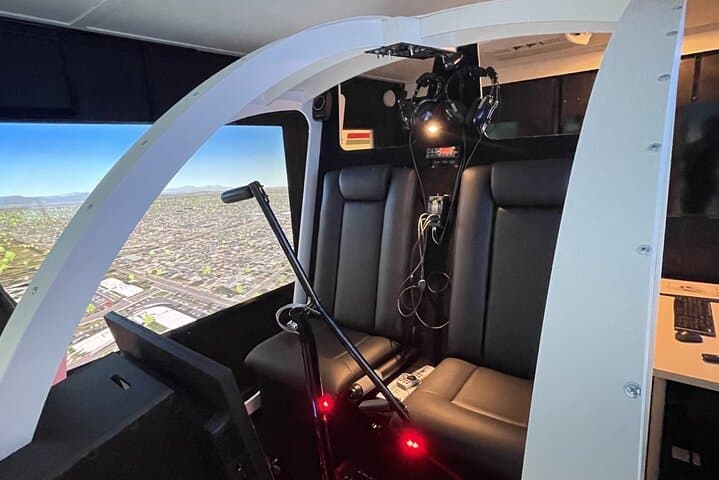
You step into a hangar on the Atlantic Aviation ramp, the odor of jet fuel softened by concrete and sunlight spilling from wide doors. A full-motion cockpit waits, screens alive with a 4K coastal skyline: Long Beach to the west, Port terminals to the south. The simulator hums to life and the instructor's voice — calm, precise — guides your hands through collective, cyclic and anti-torque inputs as the phantom rotor nudges you into a stationary hover above the harbor.
You step into a hangar on the Atlantic Aviation ramp, the odor of jet fuel softened by concrete and sunlight spilling from wide doors. A full-motion cockpit waits, screens alive with a 4K coastal skyline: Long Beach to the west, Port terminals to the south. The simulator hums to life and the instructor's voice — calm, precise — guides your hands through collective, cyclic and anti-torque inputs as the phantom rotor nudges you into a stationary hover above the harbor.
Helicopters have been part of Southern California’s fabric since the 1920s, and Long Beach’s airfield has long hosted training and civilian aviation. The simulator mirrors that lineage: a tool used by students and pros to rehearse maneuvers without the noise, cost or emissions of an actual flight. Geographically the view is flat and coastal — the simulator highlights how airflows shift over water and urban grids, giving practical insight into local flying conditions.
Culturally, this is an intro to a technical craft; expect focused instruction, aviation jargon made plain, and the option to ask about formal flight training pathways after your session. The experience is indoors and accessible to most people, but pay attention to check-in rules: bring government photo ID, arrive 15 minutes early, and be sober — FAA rules apply.
Practical tips: wear comfortable clothing and closed-toe shoes, eat lightly if you're prone to motion sensitivity, and plan for 60 minutes in the appointment slot. If time allows, instructors can brief you on upgrading to a real flight lesson or local flight schools. This simulator gives a tight, low-risk window into helicopter control — useful, revealing, and immediately actionable for anyone curious about rotorcraft.