THE ADVENTURE COLLECTIVE® · Independent discovery and booking for outdoor travel

Board an ultralight at first light and watch Pokhara, Fewa Lake and the Annapurna peaks align beneath you. This private two-day mountain flight and city tour pairs aerial perspective with on-the-ground stops at Devi’s Falls, Mahendra Cave and Fewa Lake.
Board an ultralight at first light and watch Pokhara, Fewa Lake and the Annapurna peaks align beneath you. This private two-day mountain flight and city tour pairs aerial perspective with on-the-ground stops at Devi’s Falls, Mahendra Cave and Fewa Lake.
The ultralight slips off the tarmac before dawn, the propeller whispering as Pokhara's lights shrink below. Morning mist lifts from Fewa Lake and the Annapurna massif begins to show its teeth—glittering ridges and the massive face of Annapurna I (8,091 m) looming like a living map. From the open cockpit the city, the lakes, and the falls stitch together into a single panorama that nudges you forward.
Verified experiences and guided adventures in the surrounding area.
Operated by Lonely Nepal Travels · Pokhara, Gandaki Province
The ultralight slips off the tarmac before dawn, the propeller whispering as Pokhara's lights shrink below. Morning mist lifts from Fewa Lake and the Annapurna massif begins to show its teeth—glittering ridges and the massive face of Annapurna I (8,091 m) looming like a living map. From the open cockpit the city, the lakes, and the falls stitch together into a single panorama that nudges you forward.
Geology here is dramatic: the Himalaya are young, rapidly rising folds and thrusts where Indian plate collision pushed sedimentary layers skyward. Culturally, Pokhara is a melting pot—Tamang, Gurung and Newar communities have long been gateway stewards for traders and trekkers moving into the Annapurna foothills. On day two the tour drops you to lake level for a closer look at Devi’s Falls and Mahendra Cave, small but powerful demonstrations of the area's limestone and spring-fed hydrology.
Practical guidance: book a morning flight for cleaner air and steadier thermals; carry warm layers—temperatures fall quickly at altitude—and secure camera gear against wind. Expect low physical demand on the flight itself, but plan for short walks and boat time at Fewa Lake. Operators typically allow infants on laps and provide basic safety briefings; confirm baggage and weight rules when booking. Bring sunscreen, motion-sickness remedies if prone, and a charged camera with a polarizer to manage glare off the water. Respect local wildlife and waste rules—pack out trash and support operators who follow sustainable practices. This two-day, private ultralight experience is equal parts visual feast and practical, accessible introduction to one of the world's most immediate mountain landscapes.
easy.
2 days (approx. 48 hours).
Minimal fitness required—able to climb into a small aircraft and take short walks during the city portion
The aerial portion is typically around 45–60 minutes, with the full packaged tour run over two days including ground visits in Pokhara.
Operators commonly allow infants (on laps) and older adults; disclose ages and any mobility issues when booking and follow the safety briefings.
Clear, calm mornings in spring (March–May) and autumn (September–November) offer the best visibility of the Annapurna peaks.
Drone rules vary; check local regulations and operator policies—many operators prohibit drones during flights and near crowds.
Pokhara grew as a trade and transit hub for routes between the Indian subcontinent and Tibetan highlands; its lakes and routes supported local ethnic groups who guided early trekking and trading parties.
Tourism increases pressure on local waste systems and water sources; choose operators who practice responsible fuel use, limit noise, and follow leave-no-trace principles.
Lonely Nepal Travels operates guided outdoor trips and adventures with an emphasis on safety, stewardship, and memorable experiences.

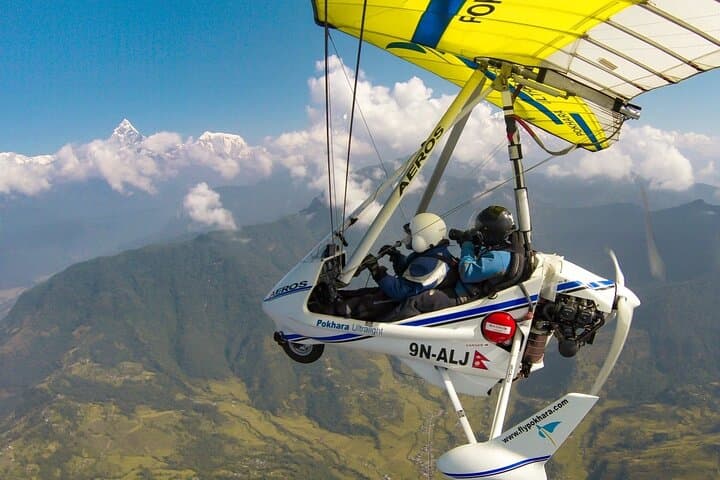
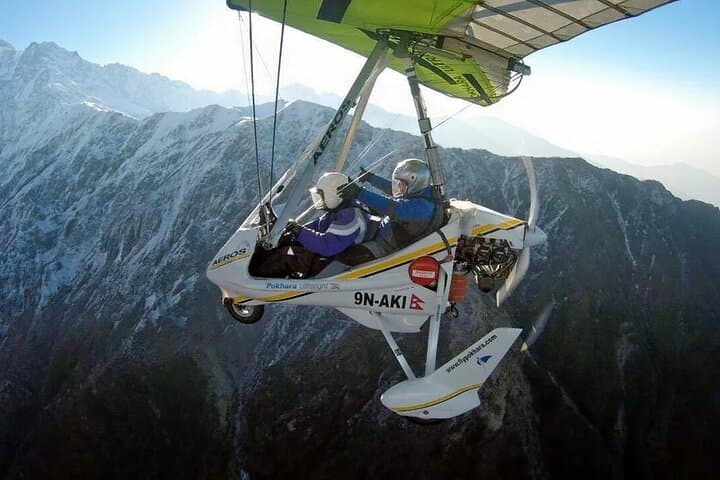
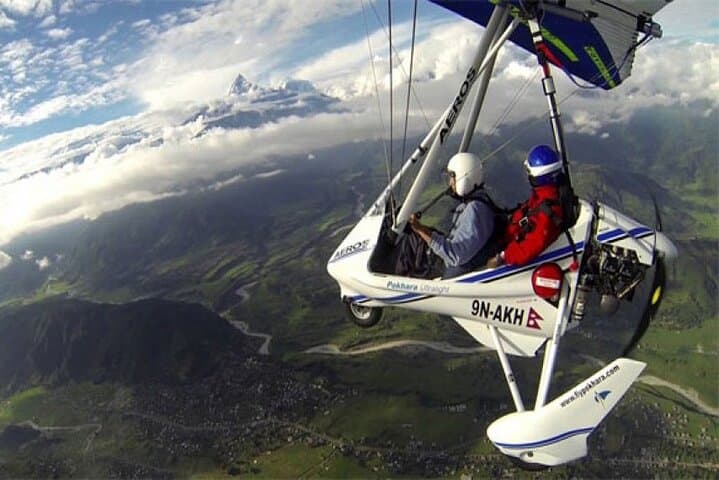
The ultralight slips off the tarmac before dawn, the propeller whispering as Pokhara's lights shrink below. Morning mist lifts from Fewa Lake and the Annapurna massif begins to show its teeth—glittering ridges and the massive face of Annapurna I (8,091 m) looming like a living map. From the open cockpit the city, the lakes, and the falls stitch together into a single panorama that nudges you forward.
The ultralight slips off the tarmac before dawn, the propeller whispering as Pokhara's lights shrink below. Morning mist lifts from Fewa Lake and the Annapurna massif begins to show its teeth—glittering ridges and the massive face of Annapurna I (8,091 m) looming like a living map. From the open cockpit the city, the lakes, and the falls stitch together into a single panorama that nudges you forward.
Geology here is dramatic: the Himalaya are young, rapidly rising folds and thrusts where Indian plate collision pushed sedimentary layers skyward. Culturally, Pokhara is a melting pot—Tamang, Gurung and Newar communities have long been gateway stewards for traders and trekkers moving into the Annapurna foothills. On day two the tour drops you to lake level for a closer look at Devi’s Falls and Mahendra Cave, small but powerful demonstrations of the area's limestone and spring-fed hydrology.
Practical guidance: book a morning flight for cleaner air and steadier thermals; carry warm layers—temperatures fall quickly at altitude—and secure camera gear against wind. Expect low physical demand on the flight itself, but plan for short walks and boat time at Fewa Lake. Operators typically allow infants on laps and provide basic safety briefings; confirm baggage and weight rules when booking. Bring sunscreen, motion-sickness remedies if prone, and a charged camera with a polarizer to manage glare off the water. Respect local wildlife and waste rules—pack out trash and support operators who follow sustainable practices. This two-day, private ultralight experience is equal parts visual feast and practical, accessible introduction to one of the world's most immediate mountain landscapes.