THE ADVENTURE COLLECTIVE® · Independent discovery and booking for outdoor travel

Board a low-to-the-water raft from Lahaina for a small-group whale watch that uses hydrophones and expert captains to find active humpbacks. Ideal December–April, the tour offers front-row marine encounters and supports local research.
Board a low-to-the-water raft from Lahaina for a small-group whale watch that uses hydrophones and expert captains to find active humpbacks. Ideal December–April, the tour offers front-row marine encounters and supports local research.
You push off from Mala Boat Ramp and the harbor spills open: reef-dark water, trade wind lacing your hair, and the boat’s low profile skimming the swell. The inflatable raft hugs the ocean surface, putting you close enough to feel the sea’s breath and, when a humpback rises, to look up into a spray that seems to challenge you to stay still.
Verified experiences and guided adventures in the surrounding area.
Operated by Ultimate Whale Watch & Snorkel · Lahaina, Hawaii
You push off from Mala Boat Ramp and the harbor spills open: reef-dark water, trade wind lacing your hair, and the boat’s low profile skimming the swell. The inflatable raft hugs the ocean surface, putting you close enough to feel the sea’s breath and, when a humpback rises, to look up into a spray that seems to challenge you to stay still.
West Maui’s coastline is carved from old lava flows and chaotic volcanic rifts; the shelf drops away into deep channels that funnel humpback whales to these warm waters each winter. Lahaina itself was a 19th-century whaling port and the modern whale-watch tradition here pairs that history with contemporary marine research—many operators contribute to entanglement response and acoustic monitoring. Culturally, crews often weave Hawaiian place names and kupuna stories into onboard talks, grounding sightings in local context.
Practically, tours run 90–120 minutes and use agile, low-to-the-water rafts that favor close surface encounters and photography. Captains use hydrophones so you’ll sometimes hear whale song under the hull, and guides point out surface behaviors: blows, flukes, spy-hops, and breeches. Trips from December–April are peak season and this operator guarantees whale sightings in that window.
Plan for wind, spray, and sudden light: layers, non-slip shoes, and a small waterproof camera bag are useful. If you’re prone to seasickness, take preventative measures before boarding. Check-in is 20 minutes before departure at Mala Boat Ramp or the boat yard on Front Street. Bring respect for the animals—stay low-key with flash photography and follow your captain’s instructions so the whales remain the authors of the encounter.
moderate.
1.5–2 hours.
Suitable for most fitness levels but requires ability to step into a low raft and stand on a moving platform; expect brief bouts of balance work.
Humpback season on Maui runs roughly December through April; operators guarantee sightings in that window or offer a return trip.
Children are welcome but policies vary—this operator does not allow children under 3; expect family-friendly but safety-first boarding rules.
Tours may be canceled for safety or rough seas; the operator offers refunds if canceled at least 24 hours prior or due to bad weather, and sometimes rescheduling options.
Yes—many rafts use hydrophones so you can listen to low-frequency whale vocalizations when animals are nearby.
Lahaina grew as a 19th-century whaling port; today whale watching reconnects that maritime history with scientific monitoring and local stewardship.
Operators participate in entanglement response and research; follow onboard guidelines to minimize disturbance—keep noise low and obey approach limits.
Ultimate Whale Watch & Snorkel operates guided outdoor trips and adventures with an emphasis on safety, stewardship, and memorable experiences.
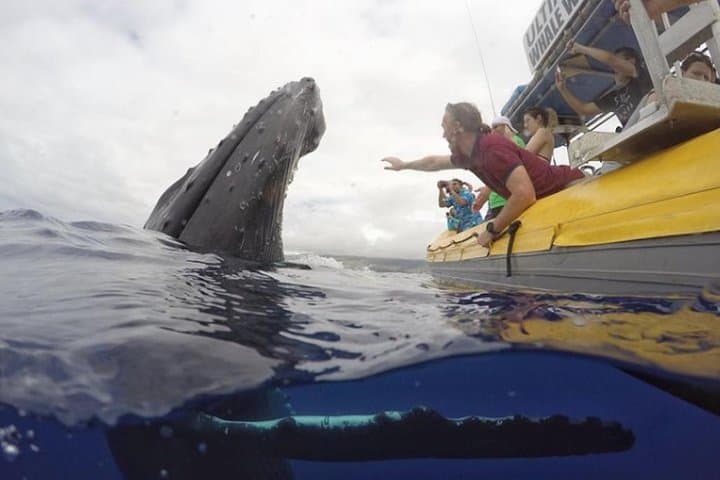
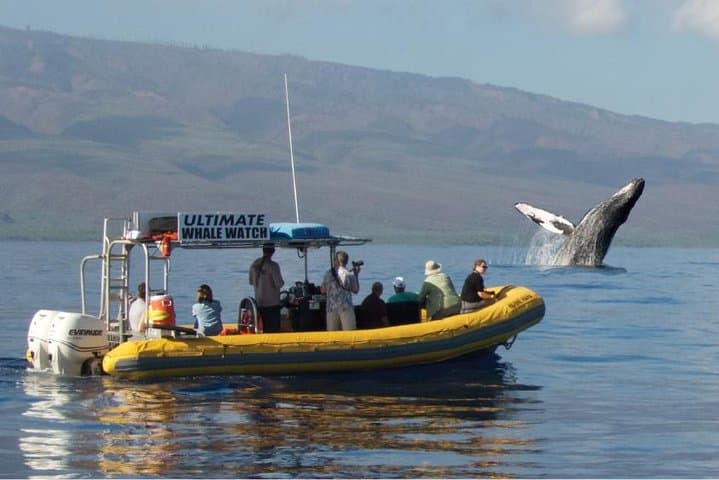
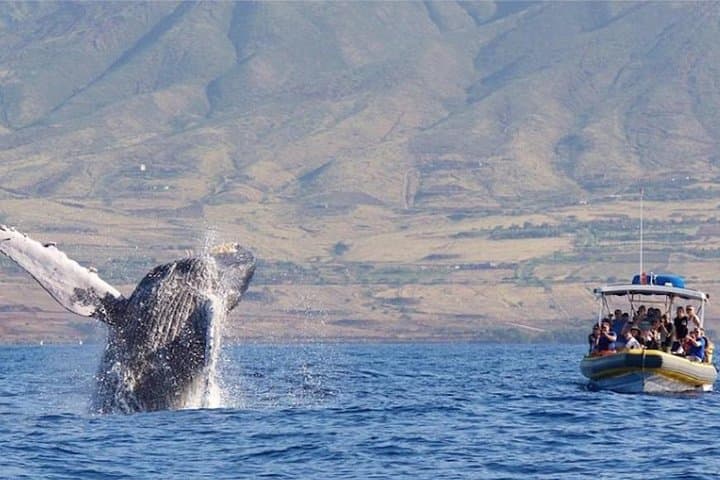
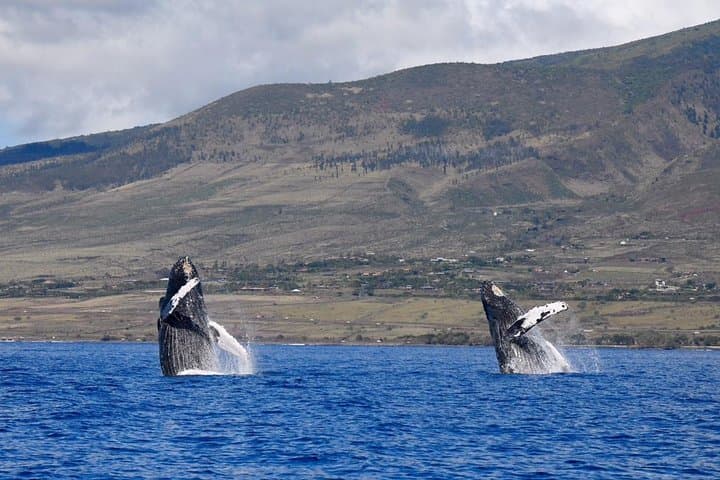
You push off from Mala Boat Ramp and the harbor spills open: reef-dark water, trade wind lacing your hair, and the boat’s low profile skimming the swell. The inflatable raft hugs the ocean surface, putting you close enough to feel the sea’s breath and, when a humpback rises, to look up into a spray that seems to challenge you to stay still.
You push off from Mala Boat Ramp and the harbor spills open: reef-dark water, trade wind lacing your hair, and the boat’s low profile skimming the swell. The inflatable raft hugs the ocean surface, putting you close enough to feel the sea’s breath and, when a humpback rises, to look up into a spray that seems to challenge you to stay still.
West Maui’s coastline is carved from old lava flows and chaotic volcanic rifts; the shelf drops away into deep channels that funnel humpback whales to these warm waters each winter. Lahaina itself was a 19th-century whaling port and the modern whale-watch tradition here pairs that history with contemporary marine research—many operators contribute to entanglement response and acoustic monitoring. Culturally, crews often weave Hawaiian place names and kupuna stories into onboard talks, grounding sightings in local context.
Practically, tours run 90–120 minutes and use agile, low-to-the-water rafts that favor close surface encounters and photography. Captains use hydrophones so you’ll sometimes hear whale song under the hull, and guides point out surface behaviors: blows, flukes, spy-hops, and breeches. Trips from December–April are peak season and this operator guarantees whale sightings in that window.
Plan for wind, spray, and sudden light: layers, non-slip shoes, and a small waterproof camera bag are useful. If you’re prone to seasickness, take preventative measures before boarding. Check-in is 20 minutes before departure at Mala Boat Ramp or the boat yard on Front Street. Bring respect for the animals—stay low-key with flash photography and follow your captain’s instructions so the whales remain the authors of the encounter.