THE ADVENTURE COLLECTIVE® · Independent discovery and booking for outdoor travel

Spend a day touring four celebrated Cape Winelands estates—tasting Pinotage, Chenin Blanc and Cabernet among Cape Dutch cellars and vineyard views, with guided transport and shipping available.
Spend a day touring four celebrated Cape Winelands estates—tasting Pinotage, Chenin Blanc and Cabernet among Cape Dutch cellars and vineyard views, with guided transport and shipping available.
A winter sun slides between the peaks of the Stellenbosch and Franschhoek ranges as a small convoy winds down a gravel drive toward a white-walled Cape Dutch manor. Vines march in ordered rows, leaves whispering like an audience waiting for its first pour. On this full-day circuit through four iconic estates, the landscape itself becomes part of the tasting — limestone slopes, clay soils and mountain-bent breezes that nudge each glass toward distinct minerality and fruit.
Verified experiences and guided adventures in the surrounding area.
Operated by Winecrewz · Stellenbosch, Western Cape
A winter sun slides between the peaks of the Stellenbosch and Franschhoek ranges as a small convoy winds down a gravel drive toward a white-walled Cape Dutch manor. Vines march in ordered rows, leaves whispering like an audience waiting for its first pour. On this full-day circuit through four iconic estates, the landscape itself becomes part of the tasting — limestone slopes, clay soils and mountain-bent breezes that nudge each glass toward distinct minerality and fruit.
The Cape Winelands have roots in 17th-century Dutch farms; later experiments produced Pinotage, a uniquely South African crossing that remains a regional signature. Geology matters here: old granite and Table Mountain sandstone give way to richer alluvial soils in valley floors, shaping Chenin Blanc’s vibrant acidity and Cabernet’s structure. Culture blends Afrikaans farmstead hospitality, classical cellar houses and contemporary cellar-door dining; expect stories about old-vine blocks, classical-music experiments in the vineyards, and hands-on cellar tours.
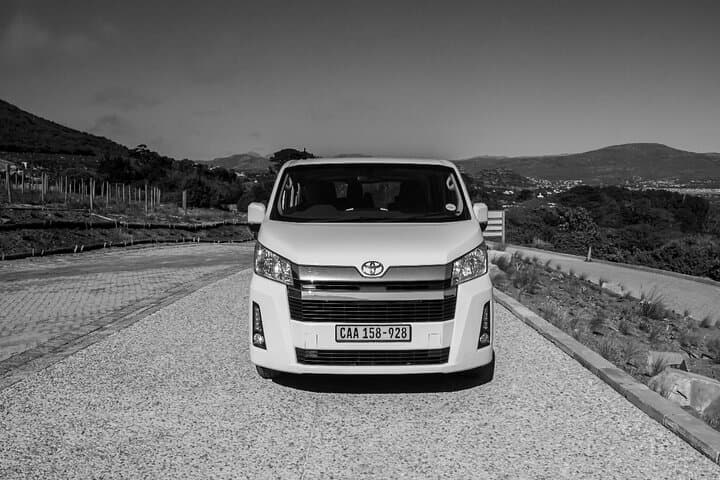
Practically, this is a relaxed, primarily seated day with short walks around estates and a paired lunch at one cellar door. Transport is included and guides handle logistics and purchases, including shipping to many countries. Bring ID for tastings, sun protection for courtyard stops, and a small carrier if you plan to take bottles home — estates often offer packing and shipping.
Timing matters: morning light sharpens tasting notes, while afternoon visits pair best with cellar lunches and vineyard views. Taste deliberately, hydrate between flights, and let the terroir do the talking.
easy.
9 hours.
Light activity level; short walks around estates and steps during cellar tours—suitable for most fitness levels
Most departures include pickup from central Cape Town locations—confirm your pickup point at booking and allow time for a shared transfer.
Yes; the operator offers international shipping to many countries and can arrange packing and paperwork at the estates.
Children can join but the focus is adult tastings; infant seats are available—book accordingly.
Estates have varied terrain; the tour is rated easy, but contact the operator in advance to discuss accessibility and arrange assistance.
The Winelands trace to 17th-century Dutch settlement; later local crosses produced Pinotage and established the region’s global reputation.
Many estates practice sustainable viticulture and water-wise farming; visitors are encouraged to minimize single-use plastics and support wineries with conservation certifications.
Winecrewz operates guided outdoor trips and adventures with an emphasis on safety, stewardship, and memorable experiences.

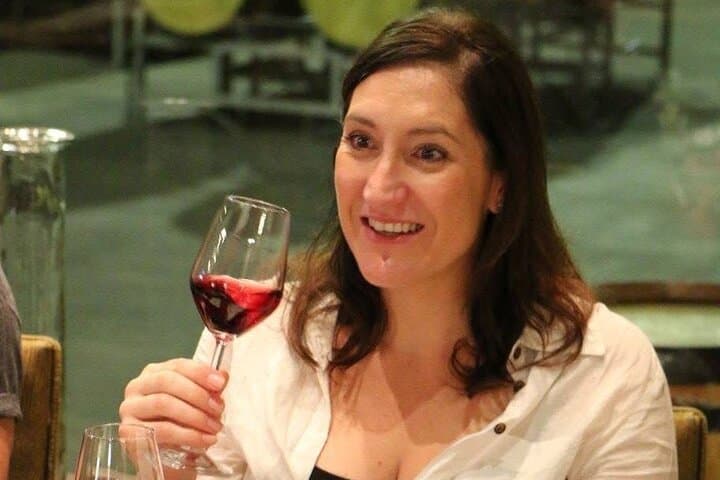
A winter sun slides between the peaks of the Stellenbosch and Franschhoek ranges as a small convoy winds down a gravel drive toward a white-walled Cape Dutch manor. Vines march in ordered rows, leaves whispering like an audience waiting for its first pour. On this full-day circuit through four iconic estates, the landscape itself becomes part of the tasting — limestone slopes, clay soils and mountain-bent breezes that nudge each glass toward distinct minerality and fruit.
A winter sun slides between the peaks of the Stellenbosch and Franschhoek ranges as a small convoy winds down a gravel drive toward a white-walled Cape Dutch manor. Vines march in ordered rows, leaves whispering like an audience waiting for its first pour. On this full-day circuit through four iconic estates, the landscape itself becomes part of the tasting — limestone slopes, clay soils and mountain-bent breezes that nudge each glass toward distinct minerality and fruit.
The Cape Winelands have roots in 17th-century Dutch farms; later experiments produced Pinotage, a uniquely South African crossing that remains a regional signature. Geology matters here: old granite and Table Mountain sandstone give way to richer alluvial soils in valley floors, shaping Chenin Blanc’s vibrant acidity and Cabernet’s structure. Culture blends Afrikaans farmstead hospitality, classical cellar houses and contemporary cellar-door dining; expect stories about old-vine blocks, classical-music experiments in the vineyards, and hands-on cellar tours.
Practically, this is a relaxed, primarily seated day with short walks around estates and a paired lunch at one cellar door. Transport is included and guides handle logistics and purchases, including shipping to many countries. Bring ID for tastings, sun protection for courtyard stops, and a small carrier if you plan to take bottles home — estates often offer packing and shipping.
Timing matters: morning light sharpens tasting notes, while afternoon visits pair best with cellar lunches and vineyard views. Taste deliberately, hydrate between flights, and let the terroir do the talking.