THE ADVENTURE COLLECTIVE® · Independent discovery and booking for outdoor travel

Explore Astoria on a self-guided scavenger hunt that blends riverfront history, coastal geology, and local lore. Solve 20 clues at your own pace—by bike, car, or on foot—and discover the city’s hidden corners and signature views.
Explore Astoria on a self-guided scavenger hunt that blends riverfront history, coastal geology, and local lore. Solve 20 clues at your own pace—by bike, car, or on foot—and discover the city’s hidden corners and signature views.
You step off the waterfront and the Columbia River already seems to be sizing you up—tide pulling at pilings, freighters crossing like slow beasts. Clues arrive in your inbox and a map of the city unfolds: alleys, murals, the long staircases that climb toward the Astoria Column. This is a self-paced hunt that moves at your rhythm—on foot, by bike, or by car—through a compact coastal town with a big past.
Verified experiences and guided adventures in the surrounding area.
Operated by Ultimate Scavenger · Astoria, Oregon
You step off the waterfront and the Columbia River already seems to be sizing you up—tide pulling at pilings, freighters crossing like slow beasts. Clues arrive in your inbox and a map of the city unfolds: alleys, murals, the long staircases that climb toward the Astoria Column. This is a self-paced hunt that moves at your rhythm—on foot, by bike, or by car—through a compact coastal town with a big past.
Astoria is Oregon’s first American settlement and a crossroads of maritime industry, Indigenous history, and the Lewis and Clark story. The geology is blunt and visible: the river’s estuary carving the lowlands, the Coast Range rising wooded and wind-scoured to the south. You’ll pass Victorian storefronts, working docks, and seafood counters where the city’s fishing legacy is still the present tense.
Local culture favors practical curiosity—shopkeepers who’ll trade a hint for a laugh, and murals that mark the parts of town that matter to locals. Pop culture fans will recognize Goonies-era corners; history buffs will find plaques and cannons.
Practical guidance: expect 2–3 hours for a full run if you’re pedaling or driving; walking everything will take longer. Bring a charged phone for clues and photo tasks, comfortable shoes if you plan to walk, and a rain layer—Astoria’s weather can change fast. The route is wheelchair accessible in many areas but includes steep streets and steps; plan your route accordingly. Clues are emailed before start, and you can start anytime during your reservation window—this is scavenger hunting on your terms.
moderate.
2–3 hours.
Moderate fitness recommended—able to walk hills, or comfortable cycling short urban distances.
Clues are emailed to the address you provide roughly an hour or more before your scheduled start; they’re delivered digitally for a self-guided experience.
Yes—this version is designed for biking or driving, though many teams choose to walk parts of the route for closer inspection of landmarks.
Many central streets and waterfront areas are wheelchair accessible, but some points include steep inclines and steps—plan a shorter, flatter route if accessibility is a priority.
The hunt is self-paced and you can begin anytime during your booking window once you receive the email; confirm your preferred email address in advance to avoid delays.
Astoria grew as a fur-trading and fishing hub after the early 19th-century arrival of American and European settlers; Lewis and Clark camped nearby in 1805–06.
The Columbia River estuary is ecologically sensitive—stick to marked paths, minimize single-use plastics, and support local businesses that follow sustainable seafood practices.
Ultimate Scavenger operates guided outdoor trips and adventures with an emphasis on safety, stewardship, and memorable experiences.
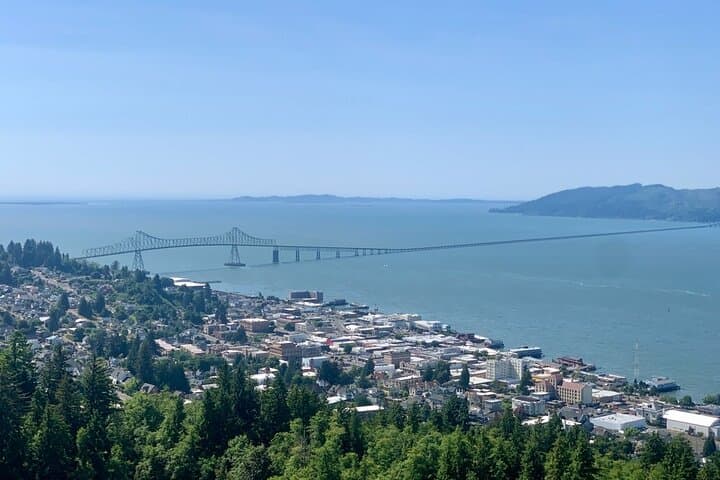
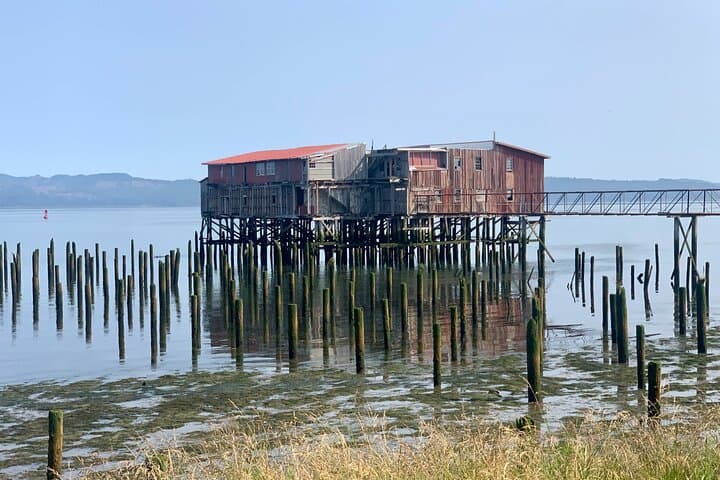
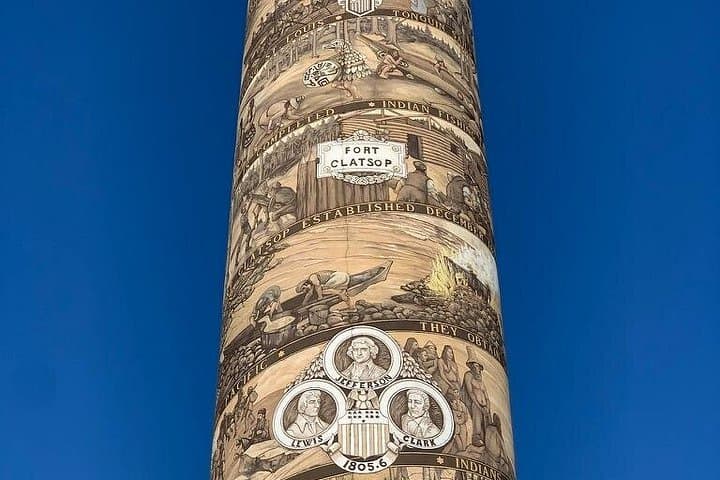
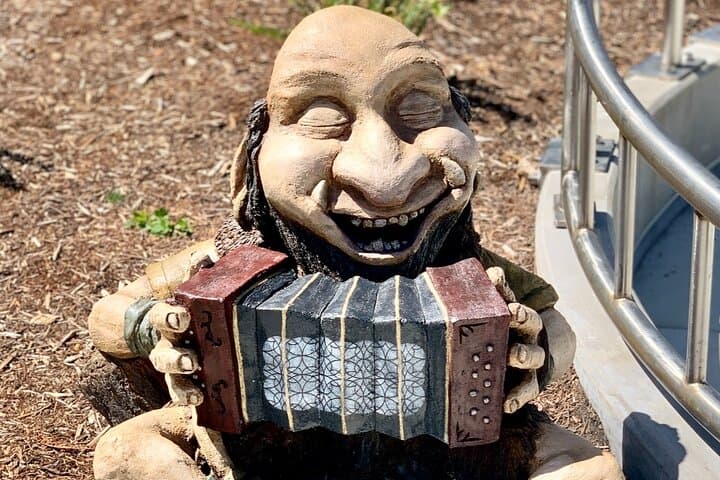
You step off the waterfront and the Columbia River already seems to be sizing you up—tide pulling at pilings, freighters crossing like slow beasts. Clues arrive in your inbox and a map of the city unfolds: alleys, murals, the long staircases that climb toward the Astoria Column. This is a self-paced hunt that moves at your rhythm—on foot, by bike, or by car—through a compact coastal town with a big past.
You step off the waterfront and the Columbia River already seems to be sizing you up—tide pulling at pilings, freighters crossing like slow beasts. Clues arrive in your inbox and a map of the city unfolds: alleys, murals, the long staircases that climb toward the Astoria Column. This is a self-paced hunt that moves at your rhythm—on foot, by bike, or by car—through a compact coastal town with a big past.
Astoria is Oregon’s first American settlement and a crossroads of maritime industry, Indigenous history, and the Lewis and Clark story. The geology is blunt and visible: the river’s estuary carving the lowlands, the Coast Range rising wooded and wind-scoured to the south. You’ll pass Victorian storefronts, working docks, and seafood counters where the city’s fishing legacy is still the present tense.
Local culture favors practical curiosity—shopkeepers who’ll trade a hint for a laugh, and murals that mark the parts of town that matter to locals. Pop culture fans will recognize Goonies-era corners; history buffs will find plaques and cannons.
Practical guidance: expect 2–3 hours for a full run if you’re pedaling or driving; walking everything will take longer. Bring a charged phone for clues and photo tasks, comfortable shoes if you plan to walk, and a rain layer—Astoria’s weather can change fast. The route is wheelchair accessible in many areas but includes steep streets and steps; plan your route accordingly. Clues are emailed before start, and you can start anytime during your reservation window—this is scavenger hunting on your terms.