THE ADVENTURE COLLECTIVE® · Independent discovery and booking for outdoor travel

Walk through Salem’s streets where 1692’s events still shape the town’s layout and museums. This self-guided planner links key sites, local context, and practical tips to make a 2–3 hour historical loop accessible and informative.
Walk through Salem’s streets where 1692’s events still shape the town’s layout and museums. This self-guided planner links key sites, local context, and practical tips to make a 2–3 hour historical loop accessible and informative.
A damp morning light slips between clapboard houses as you stand on New Liberty Street, the Salem Armory to your left and the town parking to your right. Cobbled sidewalks and brick facades set the pace; the city smells faintly of salt and old timber, and the waterfront quietly pulls at the edge of the map.
Verified experiences and guided adventures in the surrounding area.
Operated by Stories with Action · Salem, Massachusetts
A damp morning light slips between clapboard houses as you stand on New Liberty Street, the Salem Armory to your left and the town parking to your right. Cobbled sidewalks and brick facades set the pace; the city smells faintly of salt and old timber, and the waterfront quietly pulls at the edge of the map.
This route threads through 1692 — the year that reshaped New England’s legal and cultural landscape. The walk connects the Witch House, Old Burying Point Cemetery, Joshua Ward House and Hamilton Hall, tracing places where law, rumor and religion collided. Geologically, Salem sits on glacially scoured coastal plain: compacted till and sandy soils underlie streets that once were shoreline, and the harbor still pushes a maritime energy through town.
Local culture leans toward civic memory and preservation: museums interpret testimony and artifacts; merchants sell contemporary crafts and witches’ lore in equal measure. Less obvious are the quieter stories — sea captains who funded public buildings, and Hawthorne’s youth here, which fed his Gothic imagination.
Practical guidance: plan 2–3 hours for a self-guided loop; check museum hours and book peak-season entries in advance. Wear sturdy shoes for uneven curbs and occasional graveyard stones, and bring water and a light layer — coastal winds change fast. Visit in spring or late fall for fewer crowds; avoid Halloween if you want historical context without costumed bustle. Start early to see town life unfold and give yourself time to read plaques and duck into small sites — Salem rewards a slow pace.
easy.
2–3 hours.
Light walking on paved and uneven surfaces; suitable for most fitness levels with basic mobility.
Plan 2–3 hours for the main loop if you stop at exhibits; extend to a half-day if you enter multiple museums.
Many streets and major sites are accessible, but some historic buildings and graveyards have uneven surfaces—check specific venues for details.
Spring and fall offer milder weather and fewer crowds; October has the most events but also the largest crowds.
Not required—this planner supports confident self-guiding, but guided tours add narration, access to stories, and context you might otherwise miss.
The 1692 trials began in this town amid religious tension, local politics and faulty legal procedures; their legacy influenced American legal protections against wrongful convictions.
Salem balances tourism with preservation: stick to marked paths, avoid touching stonework and support local museums that fund restoration and archival work.
Stories with Action operates guided outdoor trips and adventures with an emphasis on safety, stewardship, and memorable experiences.


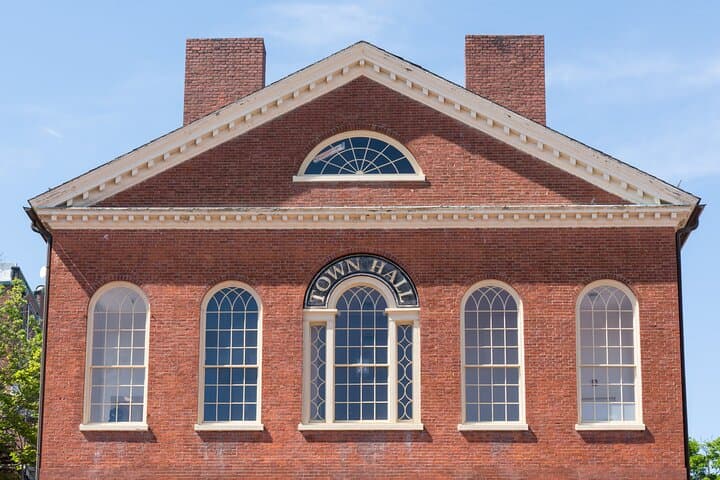
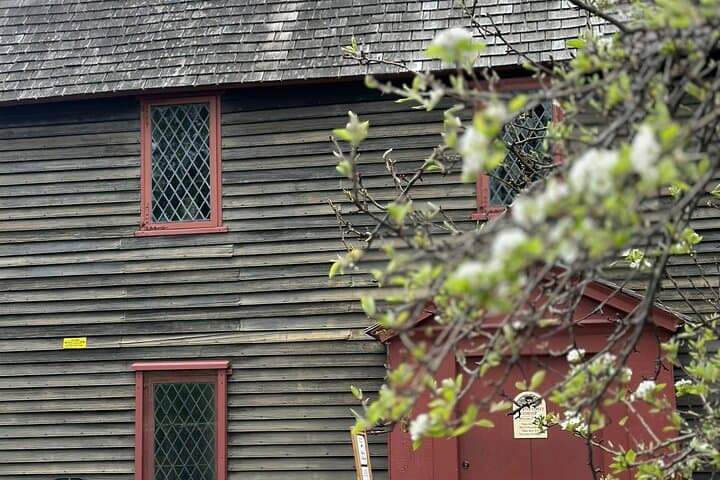
A damp morning light slips between clapboard houses as you stand on New Liberty Street, the Salem Armory to your left and the town parking to your right. Cobbled sidewalks and brick facades set the pace; the city smells faintly of salt and old timber, and the waterfront quietly pulls at the edge of the map.
A damp morning light slips between clapboard houses as you stand on New Liberty Street, the Salem Armory to your left and the town parking to your right. Cobbled sidewalks and brick facades set the pace; the city smells faintly of salt and old timber, and the waterfront quietly pulls at the edge of the map.
This route threads through 1692 — the year that reshaped New England’s legal and cultural landscape. The walk connects the Witch House, Old Burying Point Cemetery, Joshua Ward House and Hamilton Hall, tracing places where law, rumor and religion collided. Geologically, Salem sits on glacially scoured coastal plain: compacted till and sandy soils underlie streets that once were shoreline, and the harbor still pushes a maritime energy through town.
Local culture leans toward civic memory and preservation: museums interpret testimony and artifacts; merchants sell contemporary crafts and witches’ lore in equal measure. Less obvious are the quieter stories — sea captains who funded public buildings, and Hawthorne’s youth here, which fed his Gothic imagination.
Practical guidance: plan 2–3 hours for a self-guided loop; check museum hours and book peak-season entries in advance. Wear sturdy shoes for uneven curbs and occasional graveyard stones, and bring water and a light layer — coastal winds change fast. Visit in spring or late fall for fewer crowds; avoid Halloween if you want historical context without costumed bustle. Start early to see town life unfold and give yourself time to read plaques and duck into small sites — Salem rewards a slow pace.