THE ADVENTURE COLLECTIVE® · Independent discovery and booking for outdoor travel

Explore Salalah in a single day: ornate mosque interiors, bustling frankincense souqs, a UNESCO archaeological site, and a coastal lagoon for birdwatching. This full-day, private city tour blends culture, history and nature with practical logistics handled for you.
Explore Salalah in a single day: ornate mosque interiors, bustling frankincense souqs, a UNESCO archaeological site, and a coastal lagoon for birdwatching. This full-day, private city tour blends culture, history and nature with practical logistics handled for you.
A warm breeze off the Arabian Sea meets the cool shadow of colonnaded prayer halls as you step from an air-conditioned minivan into Salalah’s main square.
Verified experiences and guided adventures in the surrounding area.
Operated by Amazing Salalah Tourism · Salalah, Dhofar Governorate
A warm breeze off the Arabian Sea meets the cool shadow of colonnaded prayer halls as you step from an air-conditioned minivan into Salalah’s main square.
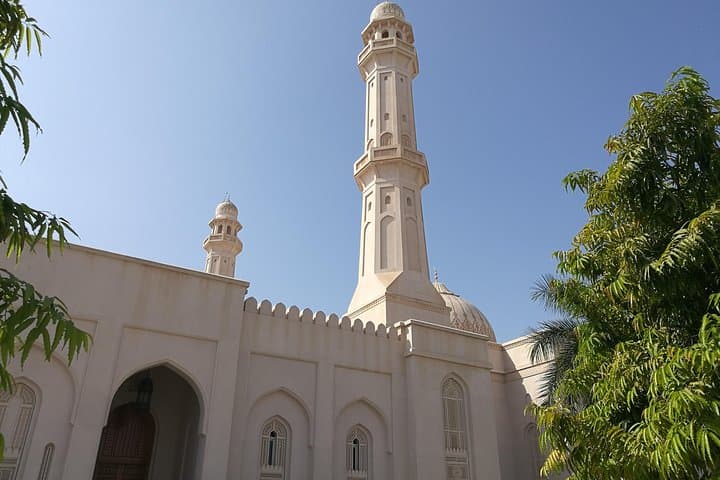
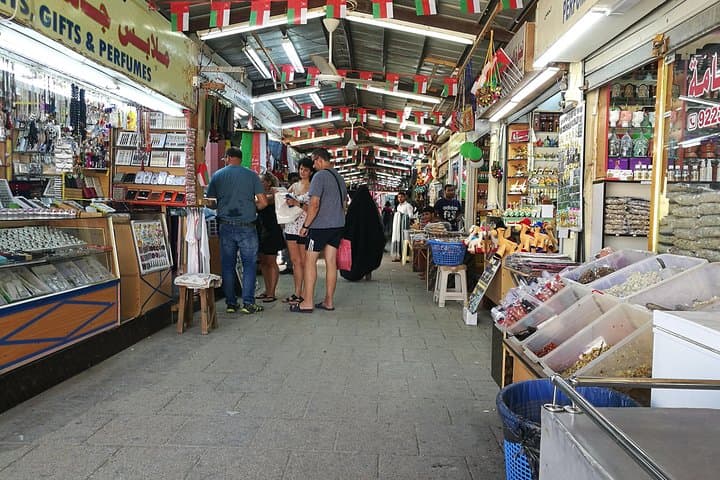
Begin with Sultan Qaboos Mosque: light glances off mosaic tiles and a chandelier’s crystal like a careful constellation. From there the market pulse takes over—spices tumbling from burlap sacks, frankincense resin glinting like amber, and halwa steaming beside tiny cups of kahwa.
Salalah sits on the southern coast of Oman where the Dhofar plain meets limestone hills. The area’s geology—karst ridges and coastal lagoons—shaped a frankincense economy that linked these shores to antiquity; Al-Baleed’s ruins and the Frankincense Land Museum trace trade routes active well before the Common Era.
Culture here is tactile: merchants weigh incense by hand, fishermen mend nets at dawn, and the Haffa quarter still trades in raw gum resin. Wildlife edges the city—Khor Dahariz’s lagoon draws wading birds while the nearby Itin overlook reveals a green pulse during the khareef monsoon.
Practical guidance: the full itinerary runs about 5–6 hours with short walks on mostly flat surfaces; modest dress is required for mosque visits (women should bring a head covering). Carry cash for small purchases, wear closed shoes for dusty market alleys, and plan morning or late-afternoon starts to avoid midday heat. Guides commonly provide bottled water and local context; take time at Al-Baleed to read plaques and at Haffa to sample frankincense and halwa before the van moves on.
easy.
5–6 hours.
Suitable for most fitness levels; involves short, flat walks and standing in markets and museums.
Yes at specified times—Sultan Qaboos Mosque is open to non-Muslims from about 8–11am on most days; entry is restricted on Fridays and some start times limit interior access.
Yes—the tour includes air-conditioned vehicle transport and a local English-speaking guide; pickup logistics are arranged at booking.
Yes—stops at Salalah Central Market and Al-Husn (Haffa) Souq allow purchases of frankincense, textiles and halwa; bring small cash.
The itinerary is rated easy and suitable for all fitness levels; infants must sit on laps and the guide can adjust pacing for mobility needs.
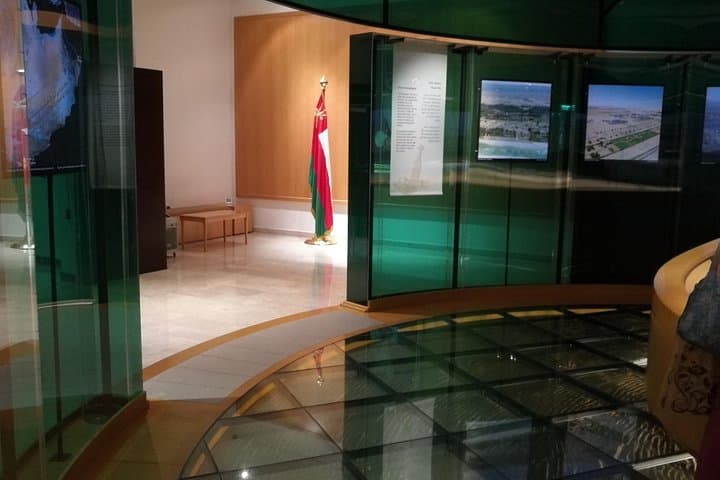
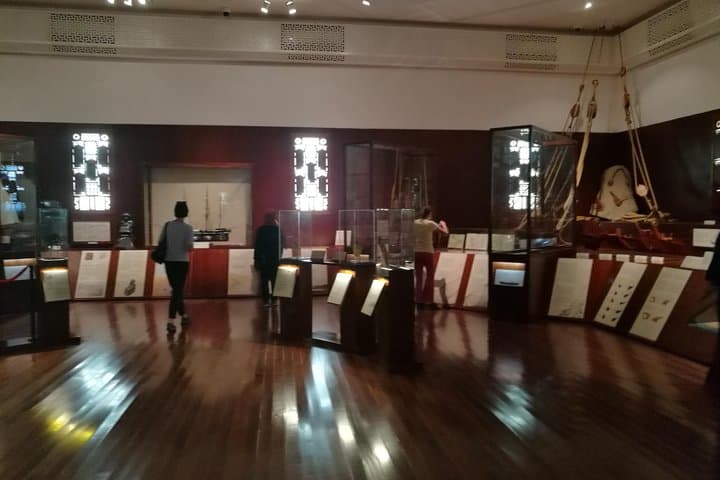
Salalah sits on the ancient frankincense route; Al-Baleed’s ruins and the Museum of the Frankincense Lands document maritime trade networks active from the Bronze Age through the Islamic period.
Local wetlands like Khor Dahariz are sensitive stopover habitats for migratory birds—avoid disturbing shorelines and support vendors who source frankincense sustainably.
Amazing Salalah Tourism operates guided outdoor trips and adventures with an emphasis on safety, stewardship, and memorable experiences.
A warm breeze off the Arabian Sea meets the cool shadow of colonnaded prayer halls as you step from an air-conditioned minivan into Salalah’s main square.
A warm breeze off the Arabian Sea meets the cool shadow of colonnaded prayer halls as you step from an air-conditioned minivan into Salalah’s main square.
Begin with Sultan Qaboos Mosque: light glances off mosaic tiles and a chandelier’s crystal like a careful constellation. From there the market pulse takes over—spices tumbling from burlap sacks, frankincense resin glinting like amber, and halwa steaming beside tiny cups of kahwa.
Salalah sits on the southern coast of Oman where the Dhofar plain meets limestone hills. The area’s geology—karst ridges and coastal lagoons—shaped a frankincense economy that linked these shores to antiquity; Al-Baleed’s ruins and the Frankincense Land Museum trace trade routes active well before the Common Era.
Culture here is tactile: merchants weigh incense by hand, fishermen mend nets at dawn, and the Haffa quarter still trades in raw gum resin. Wildlife edges the city—Khor Dahariz’s lagoon draws wading birds while the nearby Itin overlook reveals a green pulse during the khareef monsoon.
Practical guidance: the full itinerary runs about 5–6 hours with short walks on mostly flat surfaces; modest dress is required for mosque visits (women should bring a head covering). Carry cash for small purchases, wear closed shoes for dusty market alleys, and plan morning or late-afternoon starts to avoid midday heat. Guides commonly provide bottled water and local context; take time at Al-Baleed to read plaques and at Haffa to sample frankincense and halwa before the van moves on.