THE ADVENTURE COLLECTIVE® · Independent discovery and booking for outdoor travel

A practical, full-day loop from Cusco that packs Chinchero’s textile demos, Moray’s circular terraces, the Maras salt ponds and Ollantaytambo’s Inca stonework into one efficient itinerary. Ideal for travelers short on time but eager for cultural context and scenic highlights.
A practical, full-day loop from Cusco that packs Chinchero’s textile demos, Moray’s circular terraces, the Maras salt ponds and Ollantaytambo’s Inca stonework into one efficient itinerary. Ideal for travelers short on time but eager for cultural context and scenic highlights.
Morning light slices across terraced fields as a minivan leaves Cusco’s stone streets and climbs into the high Andean air. Travelers feel the altitude change in their breath and the landscape shift from city to broad valley—green pastures, clustered adobe villages, and the layered circles of ancient agricultural labs. This full-day loop visits Chinchero’s living weaving traditions, the concentric experiment terraces at Moray, the glittering geometry of the Maras salt ponds, and the fortress-town of Ollantaytambo.
Verified experiences and guided adventures in the surrounding area.
Operated by FLY CUSCO Perú Travel Agency · Cusco, Cusco Region
Morning light slices across terraced fields as a minivan leaves Cusco’s stone streets and climbs into the high Andean air. Travelers feel the altitude change in their breath and the landscape shift from city to broad valley—green pastures, clustered adobe villages, and the layered circles of ancient agricultural labs. This full-day loop visits Chinchero’s living weaving traditions, the concentric experiment terraces at Moray, the glittering geometry of the Maras salt ponds, and the fortress-town of Ollantaytambo.
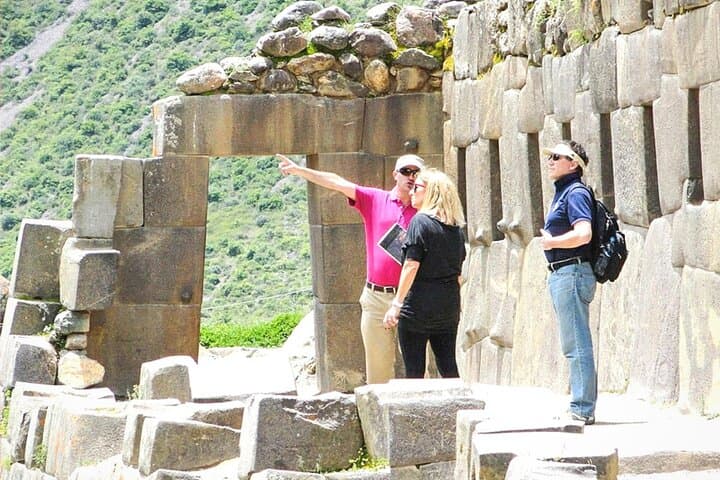
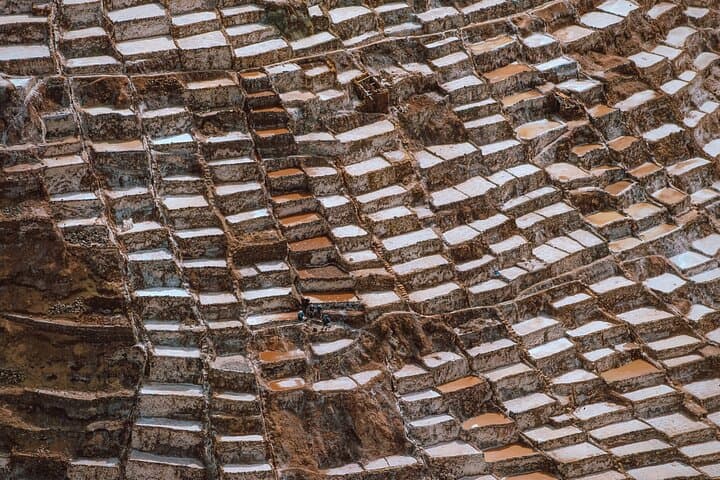
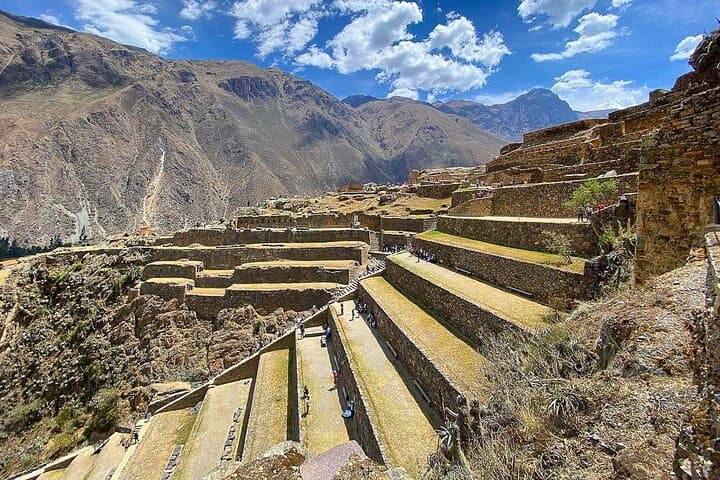
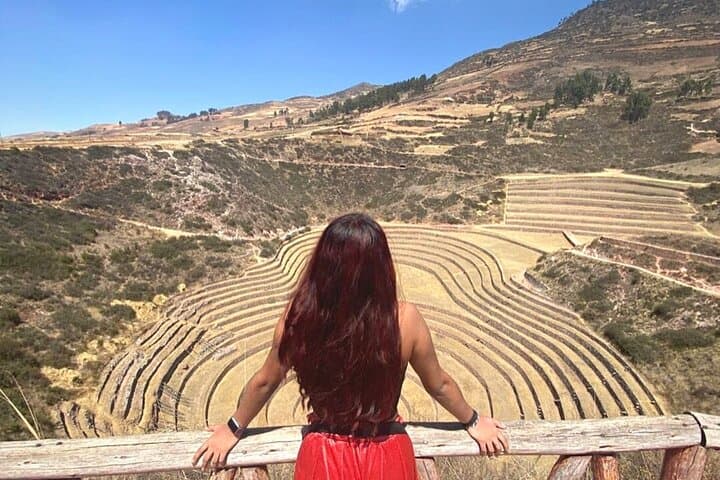
The trip threads history and geology: Moray’s concentric bowls are engineered microclimates where the Inca tested crop varieties; Maras uses natural saline springs channeled into thousands of shallow pans and has been a local economic resource since pre-Columbian times. Ollantaytambo preserves Inca stonework and a street plan still used by residents, while Chinchero offers hands-on demonstrations of alpaca fiber processing and natural dyes drawn from Andean plants.
Practical guidance is straightforward. Expect a long day (around 10–11 hours) with several short walks at high elevations (2,800–3,800 m). Bring layered clothing and sun protection: mountain sun is sharp and temperature swings are large. Walks across terraces are uneven; good footwear helps. The tour includes hotel pickup, a bilingual guide, bottled water and a buffet lunch, and it offers the useful option to be left at Ollantaytambo for onward travel to Machu Picchu. Time on-site is paced for highlights rather than deep exploration—those wanting longer stays should plan separate visits. With cultural insight and efficient transport, this itinerary is an effective introduction to the Sacred Valley’s archaeology, living crafts, and dramatic highland landscapes.
moderate.
10–11 hours.
Suitable for travelers who can handle multiple short walks, standing on uneven stone, and a long day at elevation.
Some archaeological sites have separate admission; the tour includes guided visits but not all site tickets—confirm with the operator before travel.
Yes—the tour offers the option to stay in Ollantaytambo for afternoon trains; inform the guide at booking to coordinate your drop-off.
The itinerary is physically easy but long; it's suitable for many ages, though short walks over uneven ground may be challenging for those with mobility issues.
The included buffet typically offers vegetarian and vegan options—note allergies or restrictions when booking so the restaurant can accommodate them.
The Sacred Valley was an agricultural backbone of the Inca state—Moray’s terraced depressions are living evidence of sophisticated crop experimentation and Maras’ salt pans were a long-standing resource for trade and preservation.
Stick to marked paths, avoid collecting artifacts or flora, and support local economies by purchasing textiles directly from weaving families to ensure benefits stay in the community.
FLY CUSCO Perú Travel Agency operates guided outdoor trips and adventures with an emphasis on safety, stewardship, and memorable experiences.
Morning light slices across terraced fields as a minivan leaves Cusco’s stone streets and climbs into the high Andean air. Travelers feel the altitude change in their breath and the landscape shift from city to broad valley—green pastures, clustered adobe villages, and the layered circles of ancient agricultural labs. This full-day loop visits Chinchero’s living weaving traditions, the concentric experiment terraces at Moray, the glittering geometry of the Maras salt ponds, and the fortress-town of Ollantaytambo.
Morning light slices across terraced fields as a minivan leaves Cusco’s stone streets and climbs into the high Andean air. Travelers feel the altitude change in their breath and the landscape shift from city to broad valley—green pastures, clustered adobe villages, and the layered circles of ancient agricultural labs. This full-day loop visits Chinchero’s living weaving traditions, the concentric experiment terraces at Moray, the glittering geometry of the Maras salt ponds, and the fortress-town of Ollantaytambo.
The trip threads history and geology: Moray’s concentric bowls are engineered microclimates where the Inca tested crop varieties; Maras uses natural saline springs channeled into thousands of shallow pans and has been a local economic resource since pre-Columbian times. Ollantaytambo preserves Inca stonework and a street plan still used by residents, while Chinchero offers hands-on demonstrations of alpaca fiber processing and natural dyes drawn from Andean plants.
Practical guidance is straightforward. Expect a long day (around 10–11 hours) with several short walks at high elevations (2,800–3,800 m). Bring layered clothing and sun protection: mountain sun is sharp and temperature swings are large. Walks across terraces are uneven; good footwear helps. The tour includes hotel pickup, a bilingual guide, bottled water and a buffet lunch, and it offers the useful option to be left at Ollantaytambo for onward travel to Machu Picchu. Time on-site is paced for highlights rather than deep exploration—those wanting longer stays should plan separate visits. With cultural insight and efficient transport, this itinerary is an effective introduction to the Sacred Valley’s archaeology, living crafts, and dramatic highland landscapes.