THE ADVENTURE COLLECTIVE® · Independent discovery and booking for outdoor travel

Spend seven hours tracing a thousand years of Prague on a private, adaptive walking tour that balances major monuments with quiet quarters. Expect steady walking, café breaks, and deep historical context delivered by a local guide.
Spend seven hours tracing a thousand years of Prague on a private, adaptive walking tour that balances major monuments with quiet quarters. Expect steady walking, café breaks, and deep historical context delivered by a local guide.
You step off a tram into a hush of cobblestones, church bells, and the cold river breath of the Vltava. The guide angles the route to dodge the busiest approaches to Prague Castle, and you find yourself wandering through the New World quarter—tiny lanes, painted facades and an almost museum‑quiet mood that feels like having a city’s history to yourself.
Verified experiences and guided adventures in the surrounding area.
Operated by KulturCaféPrag · Prague, Prague
You step off a tram into a hush of cobblestones, church bells, and the cold river breath of the Vltava. The guide angles the route to dodge the busiest approaches to Prague Castle, and you find yourself wandering through the New World quarter—tiny lanes, painted facades and an almost museum‑quiet mood that feels like having a city’s history to yourself.
Prague’s story stretches more than a millennium: Bohemian dukes, Gothic cathedral builders, Habsburg court life and 20th‑century political upheavals all left visible marks in stone and street plan. Geology plays a quiet role too—elevated castle ridges and river terraces shaped settlement patterns, while local sandstone and limestone were carved into the city’s baroque and Gothic faces. Culture here mixes monastery lore, café debate and craft guild histories; your walk passes silent cloisters, a treasure‑rich church, Art Nouveau civic halls and the modern, graffiti‑marked Lennon wall.
Expect a curated day: seven hours of steady walking with café and restroom breaks, priority routes past major sights, and choices to linger in lesser‑visited corners like Kampa or the Kupka collection. The guide adapts the pace and will skip crowded stairways or take alternate bridges when needed.
Practical edge: wear supportive shoes for uneven cobbles, carry a refillable water bottle, and plan for weather variability—Prague’s microclimates can turn a sunny square into a damp, chilly corridor. Bookings are private and small‑group; confirm meeting points and any access requests for embassy or theatre visits in advance.
moderate.
6–7 hours.
Should be comfortable walking continuously for several hours, including short stair sections and uneven surfaces.
Admissions are not included by default; the guide will advise where tickets are required so you can pre‑book or buy on the day.
This is a private tour for you and your party, with a maximum of six people for families or friends—otherwise usually just you and the guide.
Many central streets and squares are accessible but cobblestones and castle approaches include steps and uneven surfaces; contact the operator to discuss alternative routes.
Yes—the guide prioritizes dialogue and can alter stops or pace to suit your interests and energy levels.
Prague grew from medieval trade and royal sites; Gothic St. Vitus and the municipal Art Nouveau boom reflect political and cultural shifts from Bohemian kings through Habsburg rule to 20th‑century independence movements.
High visitor volumes strain historic streets; favor public transport, use refillable bottles and stick to marked paths to protect fragile stonework and riverbanks.
KulturCaféPrag operates guided outdoor trips and adventures with an emphasis on safety, stewardship, and memorable experiences.
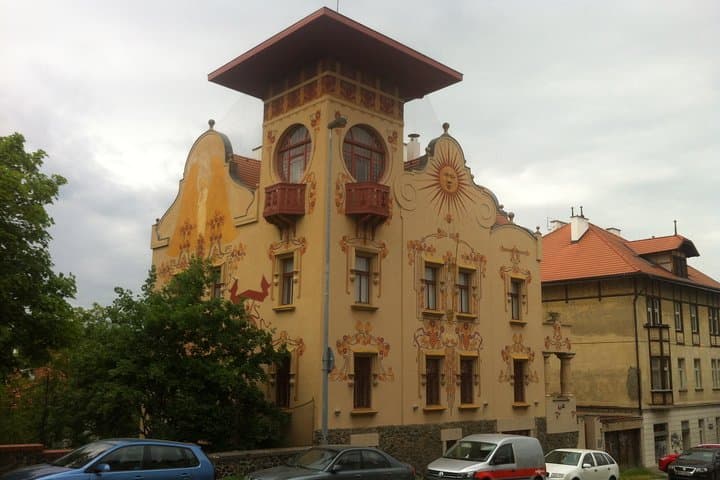
You step off a tram into a hush of cobblestones, church bells, and the cold river breath of the Vltava. The guide angles the route to dodge the busiest approaches to Prague Castle, and you find yourself wandering through the New World quarter—tiny lanes, painted facades and an almost museum‑quiet mood that feels like having a city’s history to yourself.
You step off a tram into a hush of cobblestones, church bells, and the cold river breath of the Vltava. The guide angles the route to dodge the busiest approaches to Prague Castle, and you find yourself wandering through the New World quarter—tiny lanes, painted facades and an almost museum‑quiet mood that feels like having a city’s history to yourself.
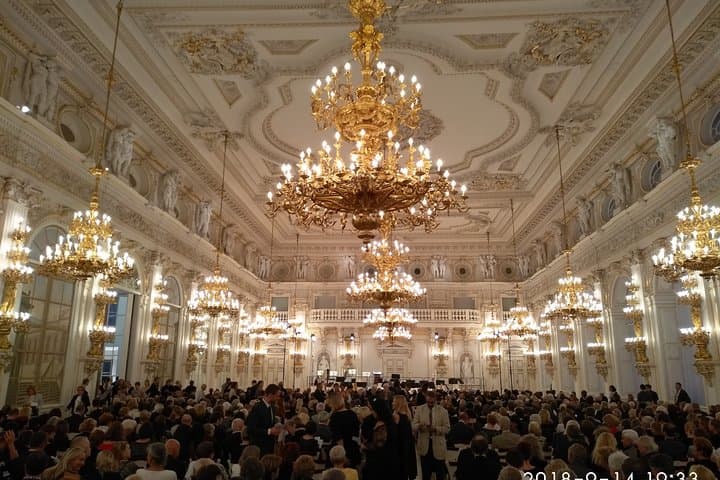
Prague’s story stretches more than a millennium: Bohemian dukes, Gothic cathedral builders, Habsburg court life and 20th‑century political upheavals all left visible marks in stone and street plan. Geology plays a quiet role too—elevated castle ridges and river terraces shaped settlement patterns, while local sandstone and limestone were carved into the city’s baroque and Gothic faces. Culture here mixes monastery lore, café debate and craft guild histories; your walk passes silent cloisters, a treasure‑rich church, Art Nouveau civic halls and the modern, graffiti‑marked Lennon wall.
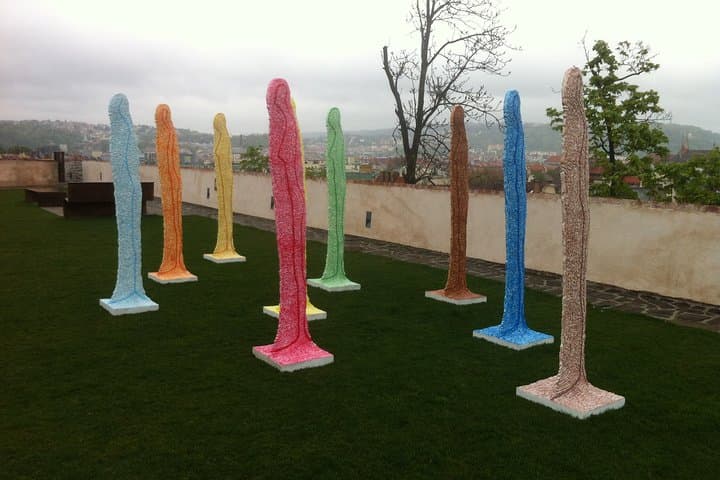
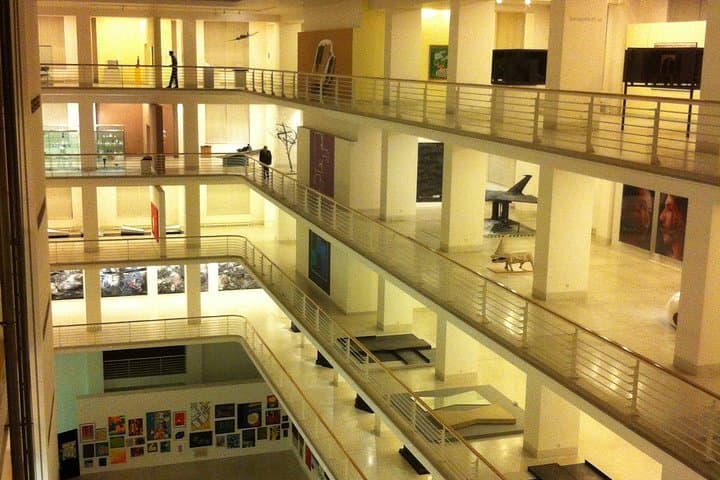
Expect a curated day: seven hours of steady walking with café and restroom breaks, priority routes past major sights, and choices to linger in lesser‑visited corners like Kampa or the Kupka collection. The guide adapts the pace and will skip crowded stairways or take alternate bridges when needed.
Practical edge: wear supportive shoes for uneven cobbles, carry a refillable water bottle, and plan for weather variability—Prague’s microclimates can turn a sunny square into a damp, chilly corridor. Bookings are private and small‑group; confirm meeting points and any access requests for embassy or theatre visits in advance.