THE ADVENTURE COLLECTIVE® · Independent discovery and booking for outdoor travel

Explore Melbourne’s laneways, Gold Rush architecture and coffee culture on a guided 3‑hour walking tour. Small groups, complimentary coffee and a pub drink make this a concise city introduction with local stories beyond the guidebooks.
Explore Melbourne’s laneways, Gold Rush architecture and coffee culture on a guided 3‑hour walking tour. Small groups, complimentary coffee and a pub drink make this a concise city introduction with local stories beyond the guidebooks.
The tour starts in a small park opposite the Hotel Windsor, the city’s nineteenth-century ambitions watching over you as trams clatter past and laneways breathe with colour.
Verified experiences and guided adventures in the surrounding area.
Operated by Depot Australia · Melbourne, Victoria
The tour starts in a small park opposite the Hotel Windsor, the city’s nineteenth-century ambitions watching over you as trams clatter past and laneways breathe with colour.
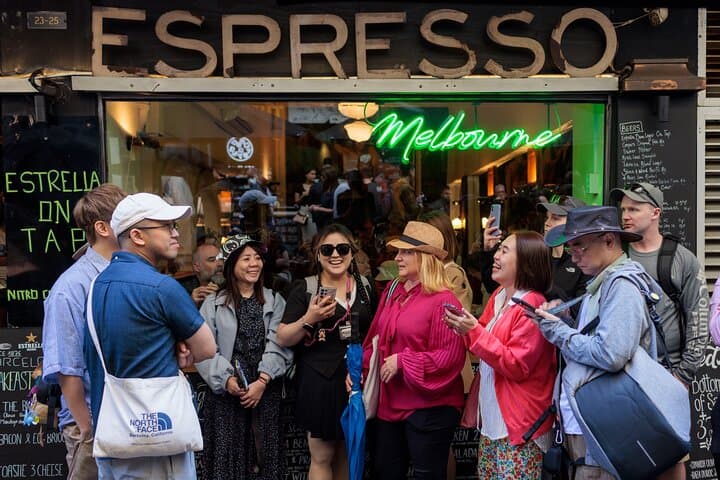
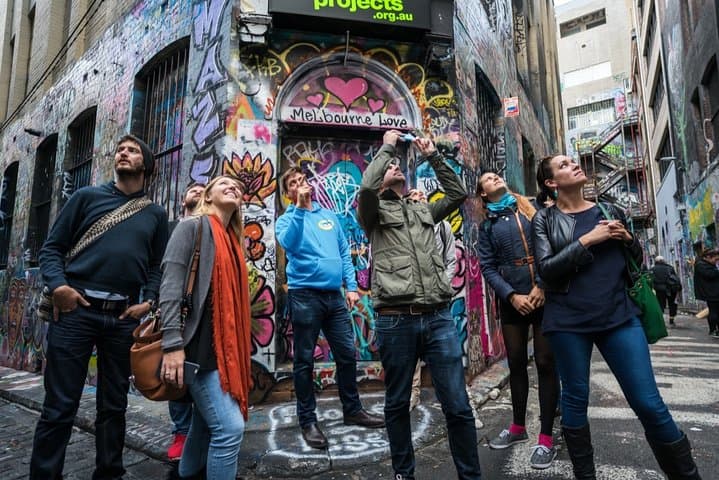
Over three hours the guide threads stories into streets: the Gold Rush boom that filled Melbourne’s Victorian arcades with marble and mosaic, the Yarra River cutting a low valley that shaped the CBD, and the lively culture of laneway café counters and ever-changing street art in Hosier Lane and AC/DC Lane.
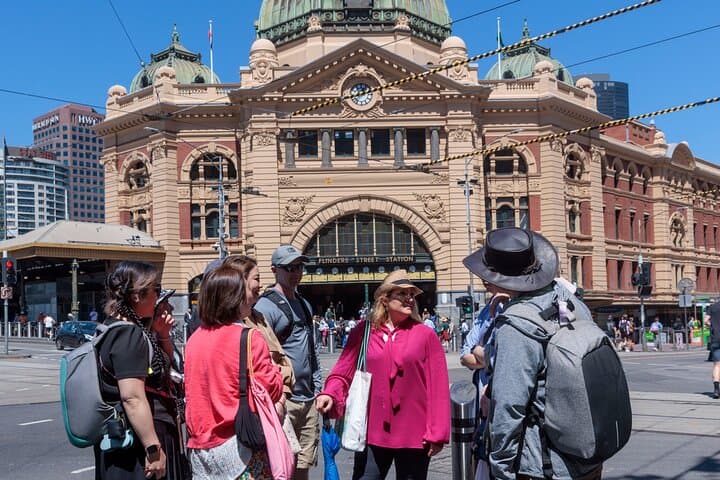
You’ll pause at Federation Square’s modern angles and gaze across at Flinders Street Station’s familiar façade, hear about the city’s early wealth, its waves of migrant communities and the continuous life of Chinatown — Australia’s oldest — while riverbanks and bluestone buildings remind you this is a port city built on reclaimed plains.
Expect alleyways that whisper rather than shout: graffiti murals one day, new paste-ups the next. The itinerary balances architecture and contemporary culture — a flat urban walk of roughly 3–4 kilometres on paved streets with minimal elevation, suitable for most walkers.
Practical notes: small groups (max 12) mean room to ask questions; complementary coffee and a pub drink are included; tours are wheelchair-accessible but contact the operator if you need assistance. Best time is morning for coffee culture or late afternoon to watch lorikeets at nearby parks. Wear comfortable shoes, bring a light layer for wind off the river, and carry a reusable bottle — Melbourne’s weather can flip quickly, but the city keeps pace with a warm welcome.
easy.
3 hours.
Suitable for most fitness levels — expect 3–4 km on paved, mostly flat city streets; able to stand and walk for extended periods.
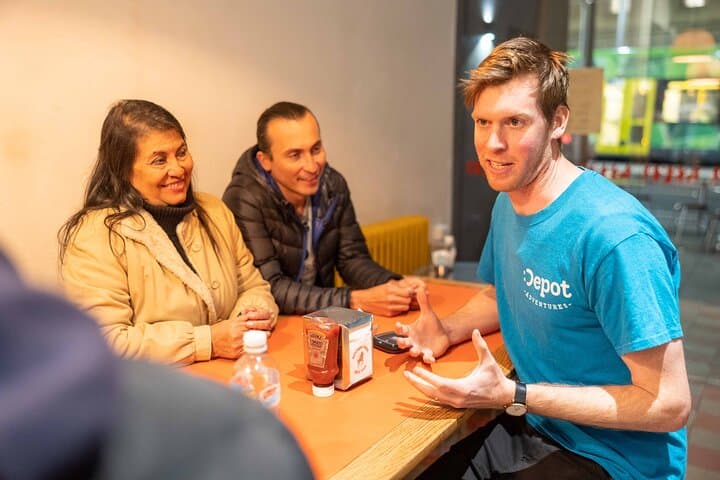
The tour includes a professional guide, a complimentary Melbourne coffee and one pub drink or soft drink, a free map and local recommendations.
Yes — the operator lists the tour as wheelchair accessible; contact them in advance to confirm specific accessibility needs.
Groups are kept small with a maximum of 12 travelers to ensure a personalized experience.
The route is largely flat and on paved surfaces, but if you have mobility concerns notify the operator when booking so they can advise or adapt the route.
Melbourne surged during the 1850s Gold Rush, which funded ornate Victorian arcades and public buildings; Chinatown is the oldest continuously operating in Australia.
Laneway art is ephemeral and community-driven — avoid tagging and respect murals. Local groups also run Yarra clean‑ups and initiatives to reduce litter in the river and CBD.
Depot Australia operates guided outdoor trips and adventures with an emphasis on safety, stewardship, and memorable experiences.
The tour starts in a small park opposite the Hotel Windsor, the city’s nineteenth-century ambitions watching over you as trams clatter past and laneways breathe with colour.
The tour starts in a small park opposite the Hotel Windsor, the city’s nineteenth-century ambitions watching over you as trams clatter past and laneways breathe with colour.
Over three hours the guide threads stories into streets: the Gold Rush boom that filled Melbourne’s Victorian arcades with marble and mosaic, the Yarra River cutting a low valley that shaped the CBD, and the lively culture of laneway café counters and ever-changing street art in Hosier Lane and AC/DC Lane.
You’ll pause at Federation Square’s modern angles and gaze across at Flinders Street Station’s familiar façade, hear about the city’s early wealth, its waves of migrant communities and the continuous life of Chinatown — Australia’s oldest — while riverbanks and bluestone buildings remind you this is a port city built on reclaimed plains.
Expect alleyways that whisper rather than shout: graffiti murals one day, new paste-ups the next. The itinerary balances architecture and contemporary culture — a flat urban walk of roughly 3–4 kilometres on paved streets with minimal elevation, suitable for most walkers.
Practical notes: small groups (max 12) mean room to ask questions; complementary coffee and a pub drink are included; tours are wheelchair-accessible but contact the operator if you need assistance. Best time is morning for coffee culture or late afternoon to watch lorikeets at nearby parks. Wear comfortable shoes, bring a light layer for wind off the river, and carry a reusable bottle — Melbourne’s weather can flip quickly, but the city keeps pace with a warm welcome.