THE ADVENTURE COLLECTIVE® · Independent discovery and booking for outdoor travel

Small-group rafts head from Maalaea to Lanai for 3–4 hours of snorkeling, dolphin encounters and seasonal whale watching. This trip combines reef snorkeling with wildlife observation—gear, instruction, and a conservation-focused local crew are included.
Small-group rafts head from Maalaea to Lanai for 3–4 hours of snorkeling, dolphin encounters and seasonal whale watching. This trip combines reef snorkeling with wildlife observation—gear, instruction, and a conservation-focused local crew are included.
The boat slips free from Maalaea's harbor and the wind immediately makes a claim on your hair; water sprays the rail and the island of Lanai grows from a low line into sea cliffs and reef teeth. On clear days the captain angles the raft toward sheltered coves where dolphins thread the bow and turtles rise like slow thought bubbles through turquoise.
Verified experiences and guided adventures in the surrounding area.
Operated by Ultimate Whale Watch & Snorkel · Lahaina, Hawaii
The boat slips free from Maalaea's harbor and the wind immediately makes a claim on your hair; water sprays the rail and the island of Lanai grows from a low line into sea cliffs and reef teeth. On clear days the captain angles the raft toward sheltered coves where dolphins thread the bow and turtles rise like slow thought bubbles through turquoise.
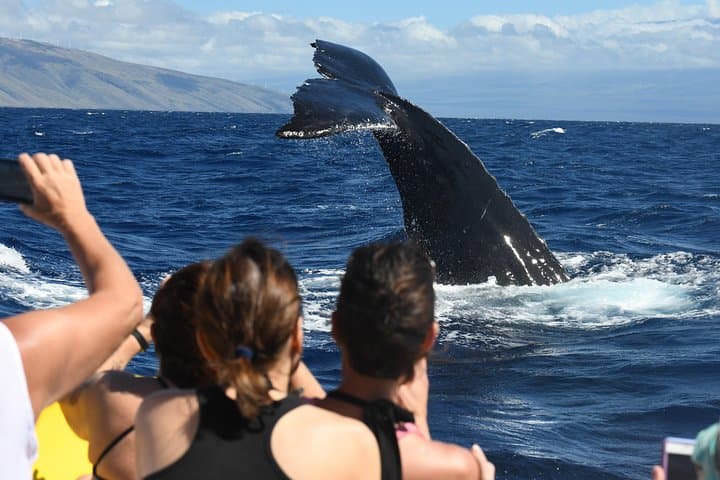
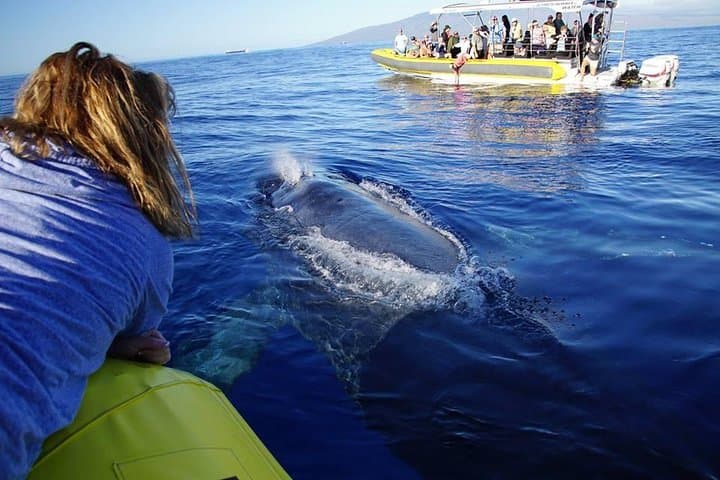
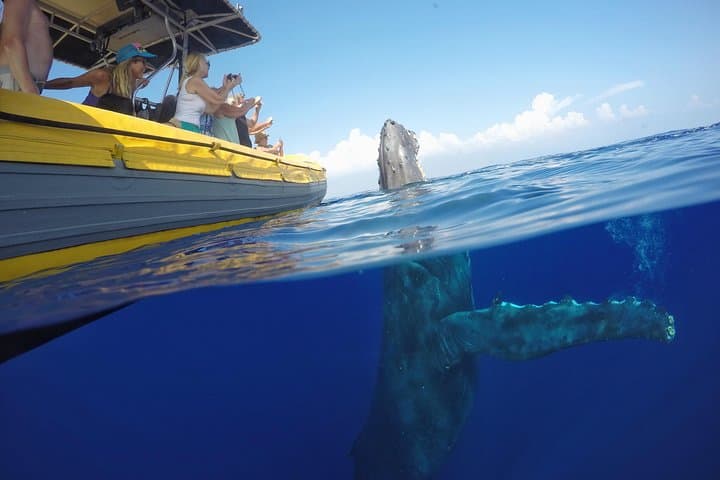
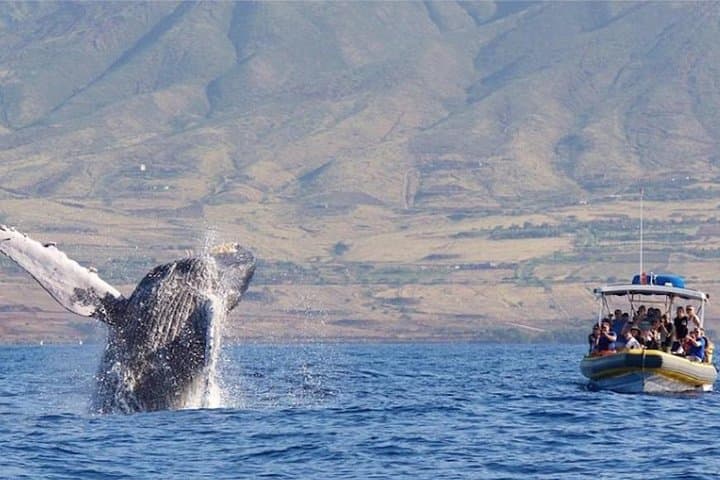
This stretch of ocean sits at the crossroads of Hawaiian history and geology: lava flows carved the islands, currents shaped coral gardens, and centuries of kanaka maoli fishing traditions still steer local practices. Lanai’s reefs—older volcanic rim with fringing coral—offer visibility and pockets where octopus and reef fish shelter. In winter months, humpback whales stage their migration here, and local crews contribute to marine research and entanglement response work.
Expect a small-group rafting experience: 3–4 hours including two snorkel stops (or one snorkel stop plus whale watching in season), flotation devices, and guided instruction. The vessel is stable and USCG-approved, but ocean conditions change; captains pick the best snorkel sites by daily swell and visibility.
Practical guidance: arrive 30 minutes early to check in at Mala Boat Yard, wear reef-safe sunscreen, bring a light wind layer and water-resistant camera, and pack motion-sickness remedies if you’re prone to queasiness. Snorkeling is accessible to beginners—floatation aids and instruction are provided—but basic swimming comfort helps. If you go during December–April, dress for cooler breezes and prioritize binoculars for whale IDs. Above all, move slowly around reefs, respect marine life, and expect an active, wildlife-forward half-day on the water.
moderate.
3–4 hours.
Comfortable moving on and off a small boat and able to swim short distances with a snorkel; basic stamina for 1–2 shallow swims.
Humpback whales are most commonly observed between December and April when they migrate to Hawaiian waters to breed and calve.
No advanced skills required—flotation devices and instruction are provided, but basic comfort in the water and the ability to tread or float is recommended.
Check in 30 minutes before departure at Mala Boat Yard; the operator provides clear signage and pre-departure safety briefings.
Children under 4 and pregnant travelers are not permitted; older children can join if they meet safety requirements and are comfortable in the water.
The route sits along traditional Hawaiian marine routes; nearby Lanai later became known for pineapple plantations before tourism reshaped its economy.
The operator supports local marine research and whale entanglement response; visitors are asked to use reef-safe products and avoid touching coral or wildlife.
Ultimate Whale Watch & Snorkel operates guided outdoor trips and adventures with an emphasis on safety, stewardship, and memorable experiences.
The boat slips free from Maalaea's harbor and the wind immediately makes a claim on your hair; water sprays the rail and the island of Lanai grows from a low line into sea cliffs and reef teeth. On clear days the captain angles the raft toward sheltered coves where dolphins thread the bow and turtles rise like slow thought bubbles through turquoise.
The boat slips free from Maalaea's harbor and the wind immediately makes a claim on your hair; water sprays the rail and the island of Lanai grows from a low line into sea cliffs and reef teeth. On clear days the captain angles the raft toward sheltered coves where dolphins thread the bow and turtles rise like slow thought bubbles through turquoise.
This stretch of ocean sits at the crossroads of Hawaiian history and geology: lava flows carved the islands, currents shaped coral gardens, and centuries of kanaka maoli fishing traditions still steer local practices. Lanai’s reefs—older volcanic rim with fringing coral—offer visibility and pockets where octopus and reef fish shelter. In winter months, humpback whales stage their migration here, and local crews contribute to marine research and entanglement response work.
Expect a small-group rafting experience: 3–4 hours including two snorkel stops (or one snorkel stop plus whale watching in season), flotation devices, and guided instruction. The vessel is stable and USCG-approved, but ocean conditions change; captains pick the best snorkel sites by daily swell and visibility.
Practical guidance: arrive 30 minutes early to check in at Mala Boat Yard, wear reef-safe sunscreen, bring a light wind layer and water-resistant camera, and pack motion-sickness remedies if you’re prone to queasiness. Snorkeling is accessible to beginners—floatation aids and instruction are provided—but basic swimming comfort helps. If you go during December–April, dress for cooler breezes and prioritize binoculars for whale IDs. Above all, move slowly around reefs, respect marine life, and expect an active, wildlife-forward half-day on the water.