THE ADVENTURE COLLECTIVE® · Independent discovery and booking for outdoor travel

Float over ancient Thebes at sunrise, paddle past temple views, and let a felucca’s sail slow the Nile’s pace. This combined balloon‑plus‑river tour packs aerial views and hands‑on water time into a single morning.
Float over ancient Thebes at sunrise, paddle past temple views, and let a felucca’s sail slow the Nile’s pace. This combined balloon‑plus‑river tour packs aerial views and hands‑on water time into a single morning.
Before dawn, the Nile slices the desert into cool shadow and copper light. You’re collected from your hotel at 4:00 AM, ferried across to the West Bank, and strapped into a wicker basket as the balloon lifts you above Luxor’s open‑air museum—temple pylons and cultivated islands shrinking beneath the float. Back on the water, the Nile dares you closer: a single kayak cuts a steady wake past palm groves; a wooden felucca unfurls a late breeze and slows time.
Verified experiences and guided adventures in the surrounding area.
Operated by Luxor Booking Tours · Luxor, Luxor Governorate
Before dawn, the Nile slices the desert into cool shadow and copper light. You’re collected from your hotel at 4:00 AM, ferried across to the West Bank, and strapped into a wicker basket as the balloon lifts you above Luxor’s open‑air museum—temple pylons and cultivated islands shrinking beneath the float. Back on the water, the Nile dares you closer: a single kayak cuts a steady wake past palm groves; a wooden felucca unfurls a late breeze and slows time.
Luxor sits on the ruins of ancient Thebes, where the temples of Karnak and Luxor anchor millennia of Nile‑bank civilization. Geologically, the river has carved a fertile corridor through the Sahara, creating islands and alluvial soils that sustain riverside villages. Culturally, the felucca remains a working craft—locals still use sails and skill to move people and produce.
Practical guidance: expect a very early start and basic transfers by motorboat. Balloon time is typically 35–45 minutes; kayaking and felucca segments are short, active experiences suited to beginners. Wear sturdy water shoes and a hat; bring sunscreen, a small dry bag, and cash for tips or local stops. Hydrate heavily before the balloon and keep a light layer for cooler pre‑dawn conditions.
Safety notes: balloon flights depend on weather; operators provide life jackets for water segments and a change room after the river transfer. The mix of aerial and on‑water perspectives makes this a compact, varied way to read Luxor’s landscape—ancient ruins, river life, and the slow choreography of sails and oars.
easy.
2–3 hours.
Suitable for most fitness levels; kayaking is short and beginner‑friendly, but you should be comfortable boarding small boats.
Pickup is typically around 4:00 AM to reach the launch site for sunrise balloon flights; confirm the exact time with the operator.
Most operators allow children and older adults who are mobile; anyone with heart conditions or severe mobility issues should consult a physician and the operator beforehand.
Yes—life jackets are provided for water activities; wear them during kayak segments and whenever instructed by the crew.
Balloon flights are weather‑dependent; operators typically offer refunds or rescheduling according to their cancellation policy—ask at booking for specifics.
Luxor occupies ancient Thebes, once Egypt’s capital; many temples were constructed along this stretch of the Nile between the New Kingdom pharaohs.
The Nile corridor faces pressures from pollution and water management; choose operators who minimize waste, avoid single‑use plastics, and respect local communities.
Luxor Booking Tours operates guided outdoor trips and adventures with an emphasis on safety, stewardship, and memorable experiences.

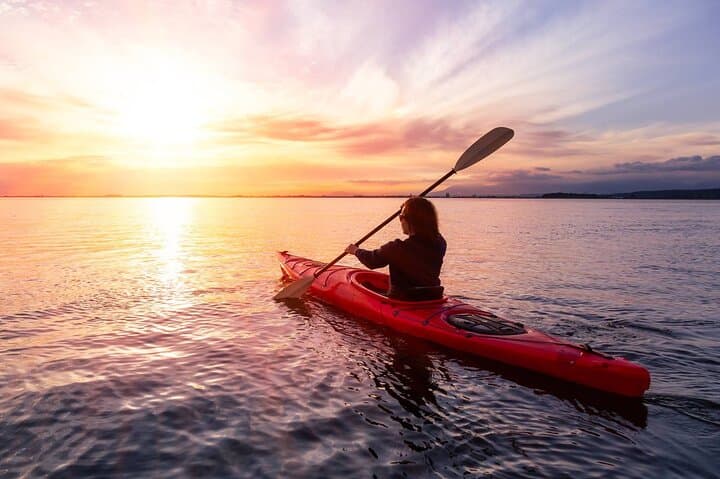


Before dawn, the Nile slices the desert into cool shadow and copper light. You’re collected from your hotel at 4:00 AM, ferried across to the West Bank, and strapped into a wicker basket as the balloon lifts you above Luxor’s open‑air museum—temple pylons and cultivated islands shrinking beneath the float. Back on the water, the Nile dares you closer: a single kayak cuts a steady wake past palm groves; a wooden felucca unfurls a late breeze and slows time.
Before dawn, the Nile slices the desert into cool shadow and copper light. You’re collected from your hotel at 4:00 AM, ferried across to the West Bank, and strapped into a wicker basket as the balloon lifts you above Luxor’s open‑air museum—temple pylons and cultivated islands shrinking beneath the float. Back on the water, the Nile dares you closer: a single kayak cuts a steady wake past palm groves; a wooden felucca unfurls a late breeze and slows time.
Luxor sits on the ruins of ancient Thebes, where the temples of Karnak and Luxor anchor millennia of Nile‑bank civilization. Geologically, the river has carved a fertile corridor through the Sahara, creating islands and alluvial soils that sustain riverside villages. Culturally, the felucca remains a working craft—locals still use sails and skill to move people and produce.
Practical guidance: expect a very early start and basic transfers by motorboat. Balloon time is typically 35–45 minutes; kayaking and felucca segments are short, active experiences suited to beginners. Wear sturdy water shoes and a hat; bring sunscreen, a small dry bag, and cash for tips or local stops. Hydrate heavily before the balloon and keep a light layer for cooler pre‑dawn conditions.
Safety notes: balloon flights depend on weather; operators provide life jackets for water segments and a change room after the river transfer. The mix of aerial and on‑water perspectives makes this a compact, varied way to read Luxor’s landscape—ancient ruins, river life, and the slow choreography of sails and oars.