THE ADVENTURE COLLECTIVE® · Independent discovery and booking for outdoor travel

Walk beneath jagged peaks and along glacial lakes on a guided three‑hour nature walk in Jasper National Park. Local interpreters highlight geology, wildlife, and seasonal color while leading an accessible, small‑group experience.
Walk beneath jagged peaks and along glacial lakes on a guided three‑hour nature walk in Jasper National Park. Local interpreters highlight geology, wildlife, and seasonal color while leading an accessible, small‑group experience.
A thin morning light slices between spruce and subalpine fir as the guide checks the small group and the trail ahead. The path climbs in easy switchbacks, then opens to a ridge where jagged peaks push at the sky and a glacial lake holds a cold, steady shine. The air carries pine resin and distant river song; the landscape dares you to move quietly and look harder.
Verified experiences and guided adventures in the surrounding area.
Operated by SunDog Tour Co · Jasper, Alberta
A thin morning light slices between spruce and subalpine fir as the guide checks the small group and the trail ahead. The path climbs in easy switchbacks, then opens to a ridge where jagged peaks push at the sky and a glacial lake holds a cold, steady shine. The air carries pine resin and distant river song; the landscape dares you to move quietly and look harder.
Jasper National Park, carved by ice and river over millennia and established as a park in 1907, is a landscape of folded sedimentary rock, active glaciers, and waterways that built the Icefields Parkway. Indigenous peoples have lived and traveled here for generations; later, fur trade routes and railway towns shaped the modern settlements. Your local interpreter threads natural history with cultural notes—how moraines mark glacier retreat, where beaver ponds rework wetland hydrology, and why larch turn gold each September.
On this leisurely, guided 3‑hour walk you’ll cross meadows, marshy boardwalks, and forested benches with frequent stops for identification and photography. Expect moderate footing—rock, forest litter, occasional mud—and a good chance to see Columbian ground squirrels, eagles, moose, or signs of bears if you’re lucky. Guides provide context and safety; hotel pickup simplifies logistics.
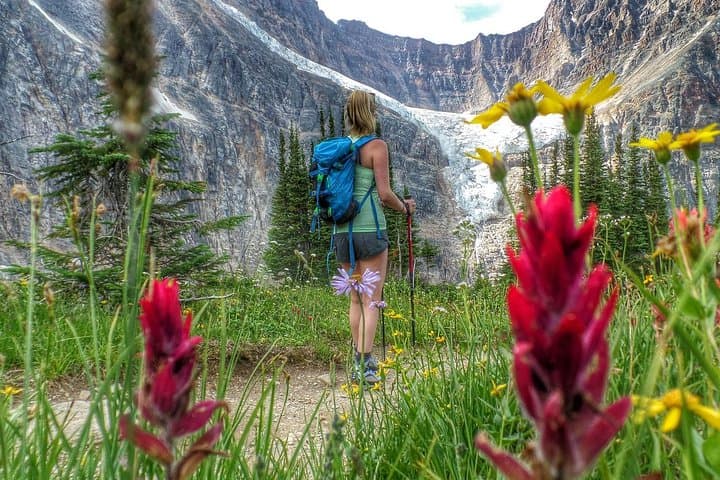
Practical tips: wear sturdy, waterproof boots, dress in layers, bring water and bear-aware behavior, and plan for changing weather—snow can linger into spring while summer brings wildflowers. Mid‑August to September offers larch and aspen color; early summer still shows snow on high ridges. Move deliberately, keep cameras ready, and let the guide point out the ridge lines and pocket wetlands that make Jasper feel alive.
moderate.
3 hours.
Comfortable on uneven terrain for several miles with short elevation changes; moderate cardiovascular fitness recommended
Children can join if accompanied by an adult; it’s not recommended for kids under 6 and the pace is set for a mixed‑age small group.
The walk operates in most weather—guides adapt the route and timing; dress for cold and wet conditions and follow guide instructions.
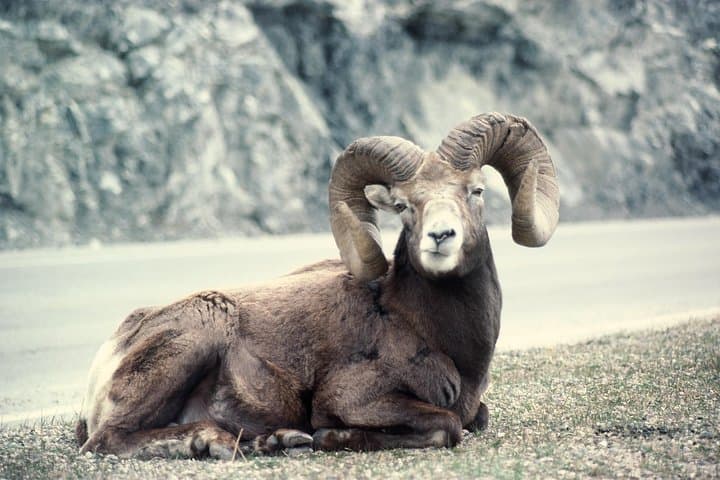
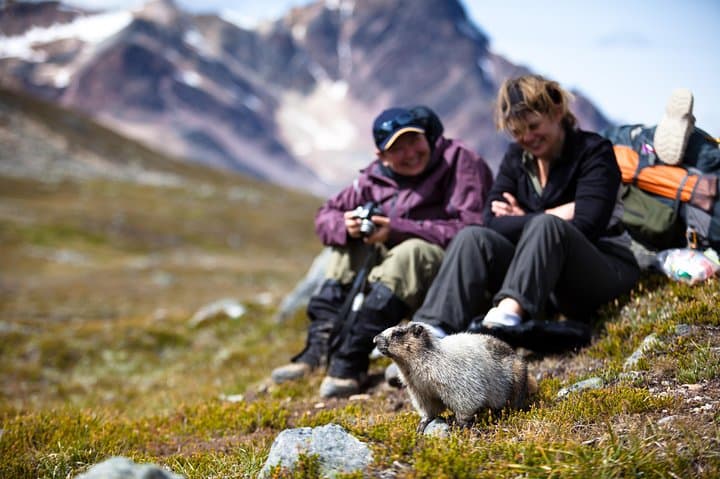
Wildlife sightings aren’t guaranteed but are common; you may spot Columbian ground squirrels, eagles, moose, beaver activity, and occasional bears from a safe distance.
Trails are generally well‑defined with some uneven, rocky, or muddy sections; a moderate fitness level is recommended but no technical climbing skills are required.
Jasper National Park was designated in 1907; its valleys and passes were long used by Indigenous peoples and later shaped by railway development and early conservation efforts.
Jasper is a protected national park and UNESCO Dark Sky Preserve—practice Leave No Trace, keep to trails, and minimize noise and light to protect wildlife and night skies.
SunDog Tour Co operates guided outdoor trips and adventures with an emphasis on safety, stewardship, and memorable experiences.
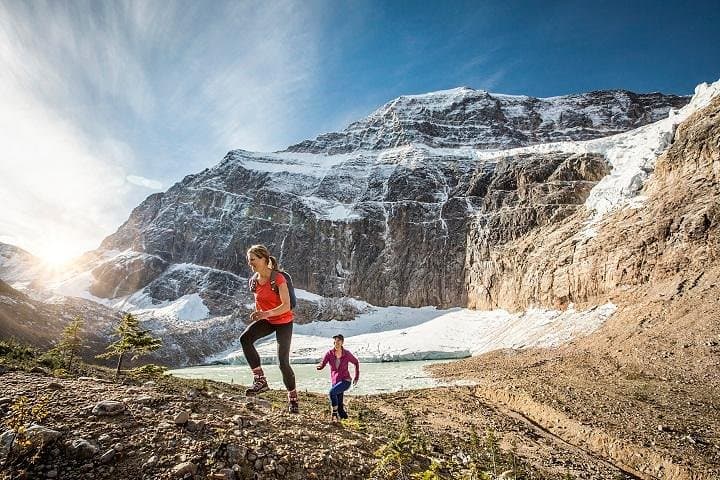
A thin morning light slices between spruce and subalpine fir as the guide checks the small group and the trail ahead. The path climbs in easy switchbacks, then opens to a ridge where jagged peaks push at the sky and a glacial lake holds a cold, steady shine. The air carries pine resin and distant river song; the landscape dares you to move quietly and look harder.
A thin morning light slices between spruce and subalpine fir as the guide checks the small group and the trail ahead. The path climbs in easy switchbacks, then opens to a ridge where jagged peaks push at the sky and a glacial lake holds a cold, steady shine. The air carries pine resin and distant river song; the landscape dares you to move quietly and look harder.
Jasper National Park, carved by ice and river over millennia and established as a park in 1907, is a landscape of folded sedimentary rock, active glaciers, and waterways that built the Icefields Parkway. Indigenous peoples have lived and traveled here for generations; later, fur trade routes and railway towns shaped the modern settlements. Your local interpreter threads natural history with cultural notes—how moraines mark glacier retreat, where beaver ponds rework wetland hydrology, and why larch turn gold each September.
On this leisurely, guided 3‑hour walk you’ll cross meadows, marshy boardwalks, and forested benches with frequent stops for identification and photography. Expect moderate footing—rock, forest litter, occasional mud—and a good chance to see Columbian ground squirrels, eagles, moose, or signs of bears if you’re lucky. Guides provide context and safety; hotel pickup simplifies logistics.
Practical tips: wear sturdy, waterproof boots, dress in layers, bring water and bear-aware behavior, and plan for changing weather—snow can linger into spring while summer brings wildflowers. Mid‑August to September offers larch and aspen color; early summer still shows snow on high ridges. Move deliberately, keep cameras ready, and let the guide point out the ridge lines and pocket wetlands that make Jasper feel alive.