THE ADVENTURE COLLECTIVE® · Independent discovery and booking for outdoor travel

Learn flamenco basics over coffee, move through a local tapas crawl, then watch an intimate, high‑caliber flamenco show in a tiny Sevillian sala. Perfect for travelers who want close access to music, dance and local flavors.
Learn flamenco basics over coffee, move through a local tapas crawl, then watch an intimate, high‑caliber flamenco show in a tiny Sevillian sala. Perfect for travelers who want close access to music, dance and local flavors.
Stepping into a narrow Seville patio, the air hums with guitar strings and the clatter of tapas plates — that first coffee arrives warm, the teacher sketches a brief history, and the evening moves forward like a practiced compás. This experience begins conversationally: a short lecture over coffee, a 45‑minute introductory dance class, then a neighborhood tapas crawl before landing in a tiny, intense flamenco room where a singer, guitarist and dancer fill less than a square meter of stage.
Verified experiences and guided adventures in the surrounding area.
Operated by Flamenco Esencia · Seville, Andalusia
Stepping into a narrow Seville patio, the air hums with guitar strings and the clatter of tapas plates — that first coffee arrives warm, the teacher sketches a brief history, and the evening moves forward like a practiced compás. This experience begins conversationally: a short lecture over coffee, a 45‑minute introductory dance class, then a neighborhood tapas crawl before landing in a tiny, intense flamenco room where a singer, guitarist and dancer fill less than a square meter of stage.
Flamenco grew in the layered culture of Andalusia, shaped by Romani families, Moorish melodies and rural folk traditions. Seville sits on the flat Guadalquivir plain; the river once made the city an entry point for cultural exchange, and that openness shows in tonight’s repertoire — soleá, bulería, a local cantiñas — transmitted in close quarters rather than a polished theater.
Expect hands‑on learning rather than technical mastery: the class focuses on rhythm, palmas (hand clapping) and posture you can feel in your ribs. The tapas stops highlight local classics — espinacas con garbanzos, cazón en adobo — paired with regional wines or beers. The final show is intimate: limited seating, raw sound, and artists who often interact with the audience.
Practical guidance: arrive hungry and on time, tell the guide about dietary restrictions, bring small bills for extra drinks or tips, and wear shoes you can move in (heels optional). The venue’s small scale rewards respectful silence and close attention — in return you get one of the most direct encounters with authentic Sevillian flamenco.
easy.
5 hours.
Suitable for most fitness levels; requires standing, short walks, and a light 45‑minute dance segment.
Yes — the itinerary notes infants must sit on laps; the class and show are family‑friendly but be mindful of late evening hours for young children.
Guides and hosts typically speak English and Spanish; the class and contextual history are explained conversationally in English for international guests.
The tour includes coffee or tea, a 45‑minute class, taxi if the walk is over 10 minutes, three tapas and three drinks, and ticket to the intimate flamenco show.
The operator reports wheelchair accessible options and transportation; contact them with specific accessibility needs at booking.
Flamenco emerged in 19th‑century Andalusia through a blend of Romani, Moorish and local folk forms; Seville remains one of its principal urban centers.
Support small venues and local artists to preserve performance spaces; avoid single‑use plastics during tapas stops and respect capacity limits to reduce wear on historic neighborhoods.
Flamenco Esencia operates guided outdoor trips and adventures with an emphasis on safety, stewardship, and memorable experiences.
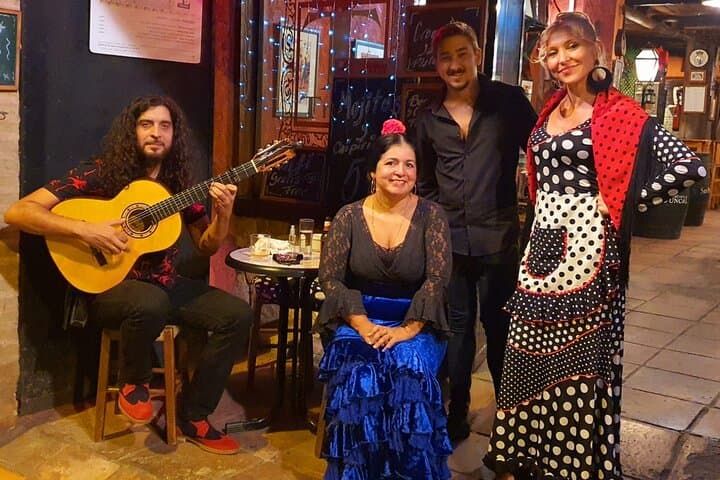
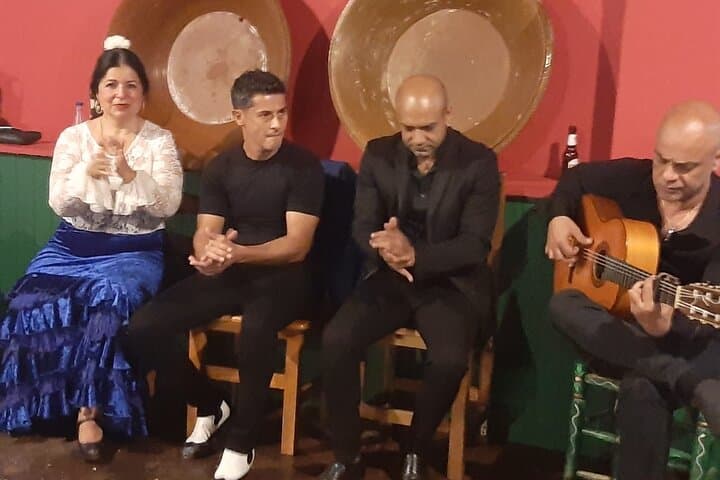
Stepping into a narrow Seville patio, the air hums with guitar strings and the clatter of tapas plates — that first coffee arrives warm, the teacher sketches a brief history, and the evening moves forward like a practiced compás. This experience begins conversationally: a short lecture over coffee, a 45‑minute introductory dance class, then a neighborhood tapas crawl before landing in a tiny, intense flamenco room where a singer, guitarist and dancer fill less than a square meter of stage.
Stepping into a narrow Seville patio, the air hums with guitar strings and the clatter of tapas plates — that first coffee arrives warm, the teacher sketches a brief history, and the evening moves forward like a practiced compás. This experience begins conversationally: a short lecture over coffee, a 45‑minute introductory dance class, then a neighborhood tapas crawl before landing in a tiny, intense flamenco room where a singer, guitarist and dancer fill less than a square meter of stage.
Flamenco grew in the layered culture of Andalusia, shaped by Romani families, Moorish melodies and rural folk traditions. Seville sits on the flat Guadalquivir plain; the river once made the city an entry point for cultural exchange, and that openness shows in tonight’s repertoire — soleá, bulería, a local cantiñas — transmitted in close quarters rather than a polished theater.
Expect hands‑on learning rather than technical mastery: the class focuses on rhythm, palmas (hand clapping) and posture you can feel in your ribs. The tapas stops highlight local classics — espinacas con garbanzos, cazón en adobo — paired with regional wines or beers. The final show is intimate: limited seating, raw sound, and artists who often interact with the audience.
Practical guidance: arrive hungry and on time, tell the guide about dietary restrictions, bring small bills for extra drinks or tips, and wear shoes you can move in (heels optional). The venue’s small scale rewards respectful silence and close attention — in return you get one of the most direct encounters with authentic Sevillian flamenco.