THE ADVENTURE COLLECTIVE® · Independent discovery and booking for outdoor travel

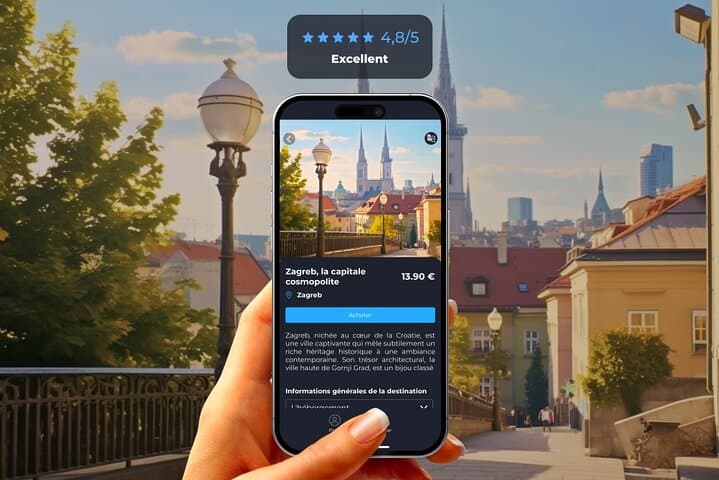
Navigate Zagreb at your own pace with a GPS-powered two-day private digital guide. It combines practical routing, accessibility details, and curated local tips so you can explore museums, markets, and hidden viewpoints without missing a beat.
Navigate Zagreb at your own pace with a GPS-powered two-day private digital guide. It combines practical routing, accessibility details, and curated local tips so you can explore museums, markets, and hidden viewpoints without missing a beat.
You step out onto Ban Jelačić Square at dawn and the city breathes around you—tram bells counting the minutes, the Sava river daring you downstream, cobbled lanes of the Upper Town holding stories in their stones.
Verified experiences and guided adventures in the surrounding area.
Operated by Henri Trip · Zagreb, Zagreb
You step out onto Ban Jelačić Square at dawn and the city breathes around you—tram bells counting the minutes, the Sava river daring you downstream, cobbled lanes of the Upper Town holding stories in their stones.
This digital private guide strings those moments into a two-day route: an orientation through Donji Grad’s broad promenades and the intimate lanes of Gornji Grad. Zagreb’s architecture records shifts from medieval fortifications—Lotrščak Tower’s sentinel bell—to Austro-Hungarian boulevards and modern cultural experiments like the Museum of Broken Relationships. Geologically, Zagreb sits on the Pannonian plain’s edge where alluvial soils meet the gentle rise of Medvednica; the city’s layout follows that subtle slope, offering small vantage points rather than alpine panoramas.
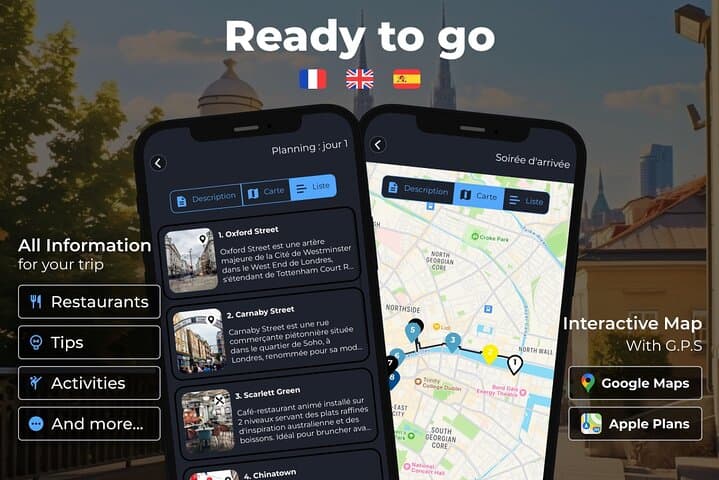
Culture here is outspoken and practical: markets like Dolac pulse with seasonal produce, while cafés become staging grounds for conversation. The guide highlights over 50 POIs with practical notes—opening hours, accessibility, and skip-the-line options—plus GPS routing that works offline.
For planning: aim for early starts to beat crowds at St. Mark’s and the Croatian National Theatre, and reserve museum slots where possible. Wear supportive shoes for cobbles and short climbs, carry a power bank for prolonged GPS use, and check tram timetables—public transport is an efficient backbone.
This is a self-paced private itinerary: pause for a long coffee, detour to a gallery, or follow the Strossmayer Promenade at dusk. The guide’s utility is in its flexibility—local tips, multilingual notes, and offline maps let you explore Zagreb on your terms, informed and unhurried.
easy.
2–3 days.
Light walking and several short climbs; fine for most fitness levels who can manage cobblestones and stairs.
Yes—the guide and its GPS routing work without cellular signal once downloaded to your device.
Many listed sites and routes include accessibility notes; however, cobblestone streets and some historic buildings may have limited access—consult the guide’s accessibility details for each POI.
Yes—this private digital guide is designed for self‑paced customization, letting you skip, rearrange, or linger at points of interest.
Full refund available if you cancel at least 24 hours before the scheduled start; otherwise bookings are non‑refundable.
Zagreb evolved from two medieval settlements—Gradec and Kaptol—whose rivalry shaped the Upper Town’s layout; many civic buildings date from Habsburg-era development in the 19th century.
The city promotes sustainable urban tourism by encouraging public transport, pedestrian routes, and support for local producers at markets like Dolac to reduce carbon and preserve cultural landscapes.
Henri Trip operates guided outdoor trips and adventures with an emphasis on safety, stewardship, and memorable experiences.
You step out onto Ban Jelačić Square at dawn and the city breathes around you—tram bells counting the minutes, the Sava river daring you downstream, cobbled lanes of the Upper Town holding stories in their stones.
You step out onto Ban Jelačić Square at dawn and the city breathes around you—tram bells counting the minutes, the Sava river daring you downstream, cobbled lanes of the Upper Town holding stories in their stones.
This digital private guide strings those moments into a two-day route: an orientation through Donji Grad’s broad promenades and the intimate lanes of Gornji Grad. Zagreb’s architecture records shifts from medieval fortifications—Lotrščak Tower’s sentinel bell—to Austro-Hungarian boulevards and modern cultural experiments like the Museum of Broken Relationships. Geologically, Zagreb sits on the Pannonian plain’s edge where alluvial soils meet the gentle rise of Medvednica; the city’s layout follows that subtle slope, offering small vantage points rather than alpine panoramas.
Culture here is outspoken and practical: markets like Dolac pulse with seasonal produce, while cafés become staging grounds for conversation. The guide highlights over 50 POIs with practical notes—opening hours, accessibility, and skip-the-line options—plus GPS routing that works offline.
For planning: aim for early starts to beat crowds at St. Mark’s and the Croatian National Theatre, and reserve museum slots where possible. Wear supportive shoes for cobbles and short climbs, carry a power bank for prolonged GPS use, and check tram timetables—public transport is an efficient backbone.
This is a self-paced private itinerary: pause for a long coffee, detour to a gallery, or follow the Strossmayer Promenade at dusk. The guide’s utility is in its flexibility—local tips, multilingual notes, and offline maps let you explore Zagreb on your terms, informed and unhurried.