THE ADVENTURE COLLECTIVE® · Independent discovery and booking for outdoor travel

Shop a Delhi wedding like a pro: move from Chandni Chowk’s historic bazaars to Shahpur Jat’s boutiques with a female consultant who arranges fittings, tailors and insider access. Expect fabrics, jewelry and bespoke stitching tailored to your vision.
Shop a Delhi wedding like a pro: move from Chandni Chowk’s historic bazaars to Shahpur Jat’s boutiques with a female consultant who arranges fittings, tailors and insider access. Expect fabrics, jewelry and bespoke stitching tailored to your vision.
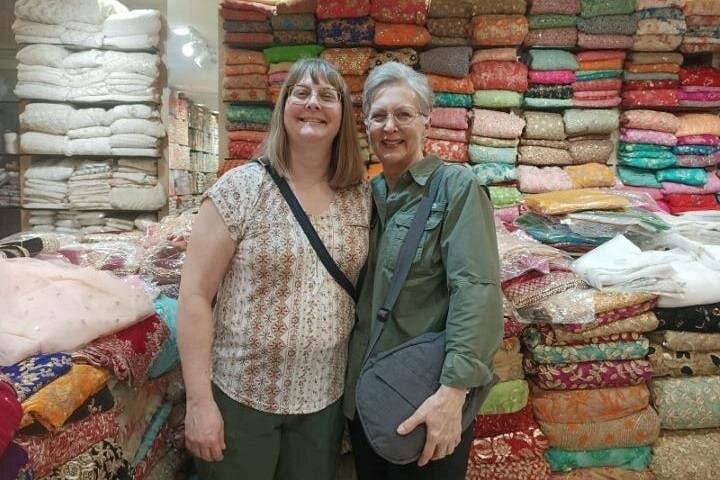
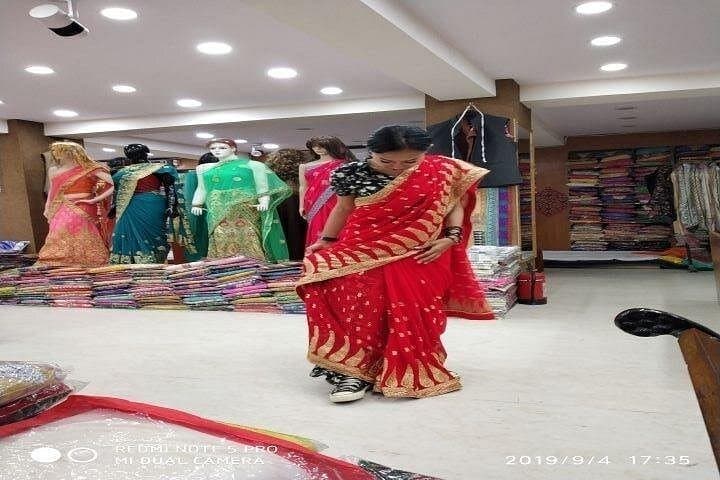
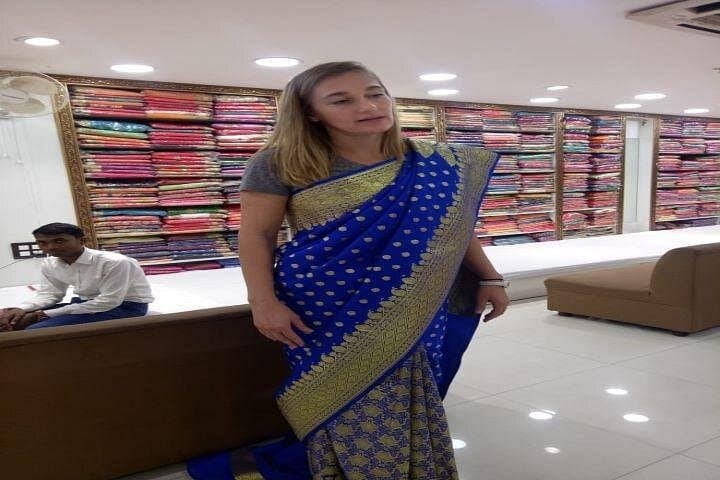
The morning opens with a honk, a flutter of shop awnings and the warm smell of cardamom and frying masala — Delhi arrives like a market itself, insistent and detailed. On this curated shopping route, the shopper moves from the narrow, Mughal-era lanes of Chandni Chowk to the cleaner, design-forward alleys of Shahpur Jat, stopping at Dariba Kalan’s silver stalls and the spice-scented rows of Khari Baoli.
Verified experiences and guided adventures in the surrounding area.
Operated by TravExcel India Tours & Travel · New Delhi, Delhi
The morning opens with a honk, a flutter of shop awnings and the warm smell of cardamom and frying masala — Delhi arrives like a market itself, insistent and detailed. On this curated shopping route, the shopper moves from the narrow, Mughal-era lanes of Chandni Chowk to the cleaner, design-forward alleys of Shahpur Jat, stopping at Dariba Kalan’s silver stalls and the spice-scented rows of Khari Baoli.
Chandni Chowk and its bazaars grew under Mughal patronage in the 17th century; the streets continue to mirror that history in textiles, jewelry and crafts passed down through family workshops. Geologically, the area sits on the flat alluvial Indo-Gangetic Plain, which helped Delhi develop as a trade hub — that history shows in wholesale markets and spice houses.
Culturally, wedding shopping here means negotiation as a ritual: lehengas, bespoke stitching, hand-embellished textiles and henna designs are part craft, part performance. The tour pairs local insight with trusted tailors and designer boutiques, easing language and price barriers.
Practically, expect a 4–8 hour day splitting time between crowded bazaars and appointment-only ateliers, with a female shopping consultant to coordinate fittings and logistics. Bring clear measurements, reference photos, and allow at least 2–3 days lead time for custom stitching. Plan mornings for congested markets, carry small bills for bargaining, and leave a slot for final fittings or minor alterations. This is shopping engineered for results: efficient, informed and rooted in Delhi’s living marketplaces.
easy.
4–8 hours.
Suitable for travelers of all fitness levels; requires walking on uneven, crowded lanes for several hours.
The tour runs approximately 4–8 hours depending on stops and the time allocated for fittings and tailoring.
Yes — bargaining is common in bazaars like Chandni Chowk; boutiques and designer stores typically have fixed prices.
Yes — the consultant tailors the itinerary to your taste and budget, directing you to boutiques, artisans or wholesale suppliers accordingly.
The tour coordinates access to tailors and can arrange fittings, but tailoring costs and longer alteration timelines are usually additional.
Markets like Chandni Chowk and Dariba Kalan date to the 17th-century Mughal era and grew as craft and wholesale hubs tied to Delhi’s role on historic trade routes.
Supporting reputable artisans reduces fast-fashion waste; request natural dyes and ask about sourcing to favor sustainable workshops.
TravExcel India Tours & Travel operates guided outdoor trips and adventures with an emphasis on safety, stewardship, and memorable experiences.

The morning opens with a honk, a flutter of shop awnings and the warm smell of cardamom and frying masala — Delhi arrives like a market itself, insistent and detailed. On this curated shopping route, the shopper moves from the narrow, Mughal-era lanes of Chandni Chowk to the cleaner, design-forward alleys of Shahpur Jat, stopping at Dariba Kalan’s silver stalls and the spice-scented rows of Khari Baoli.
The morning opens with a honk, a flutter of shop awnings and the warm smell of cardamom and frying masala — Delhi arrives like a market itself, insistent and detailed. On this curated shopping route, the shopper moves from the narrow, Mughal-era lanes of Chandni Chowk to the cleaner, design-forward alleys of Shahpur Jat, stopping at Dariba Kalan’s silver stalls and the spice-scented rows of Khari Baoli.
Chandni Chowk and its bazaars grew under Mughal patronage in the 17th century; the streets continue to mirror that history in textiles, jewelry and crafts passed down through family workshops. Geologically, the area sits on the flat alluvial Indo-Gangetic Plain, which helped Delhi develop as a trade hub — that history shows in wholesale markets and spice houses.
Culturally, wedding shopping here means negotiation as a ritual: lehengas, bespoke stitching, hand-embellished textiles and henna designs are part craft, part performance. The tour pairs local insight with trusted tailors and designer boutiques, easing language and price barriers.
Practically, expect a 4–8 hour day splitting time between crowded bazaars and appointment-only ateliers, with a female shopping consultant to coordinate fittings and logistics. Bring clear measurements, reference photos, and allow at least 2–3 days lead time for custom stitching. Plan mornings for congested markets, carry small bills for bargaining, and leave a slot for final fittings or minor alterations. This is shopping engineered for results: efficient, informed and rooted in Delhi’s living marketplaces.