THE ADVENTURE COLLECTIVE® · Independent discovery and booking for outdoor travel

Spend 75 minutes with a professional chocolatier in Pagosa Springs learning tempering, molding, and finishing. This hands-on class includes three chocolates to sample, equipment use, and everything you make to take home.
Spend 75 minutes with a professional chocolatier in Pagosa Springs learning tempering, molding, and finishing. This hands-on class includes three chocolates to sample, equipment use, and everything you make to take home.
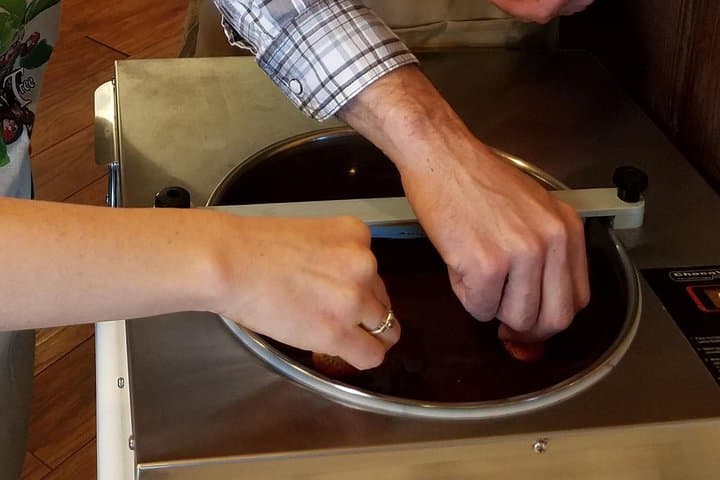
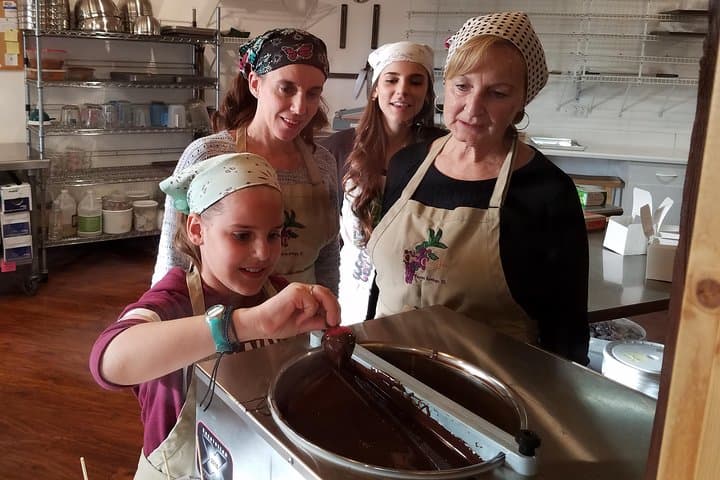
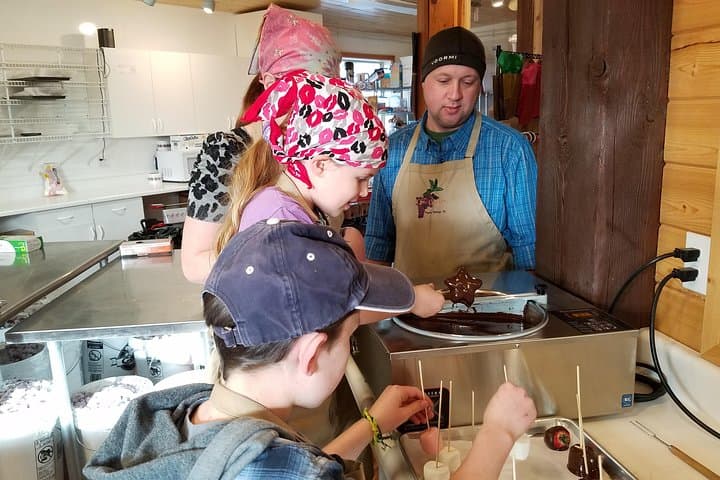
The workshop opens like a small laboratory of scent: warm cocoa, buttered caramel, and the faint mineral air from nearby hot springs. Light bounces off stainless steel tempering machines while a chocolatier demonstrates tempering with a steady, practiced motion — you move in, tools in hand, following a rhythm that turns beans into gloss. The room feels intentional and practical, not fussy: stations, utensils, and labeled ingredients ready for customization.
Verified experiences and guided adventures in the surrounding area.
Operated by The Choke Cherry Tree · Pagosa Springs, Colorado
The workshop opens like a small laboratory of scent: warm cocoa, buttered caramel, and the faint mineral air from nearby hot springs. Light bounces off stainless steel tempering machines while a chocolatier demonstrates tempering with a steady, practiced motion — you move in, tools in hand, following a rhythm that turns beans into gloss. The room feels intentional and practical, not fussy: stations, utensils, and labeled ingredients ready for customization.
Chocolate here arrives through a global story — cacao grown in tropical climates, refined by technique, and reinterpreted in a mountain town known for geothermal pools and Ute heritage. Pagosa Springs sits in the San Juan Basin, where hot water rises through volcanic rock; the town’s mineral-fed springs have long attracted visitors and shaped local hospitality. In a small, modern studio you’ll get a compact history of chocolate’s craft and the basics of tempering, molding, and finishing.
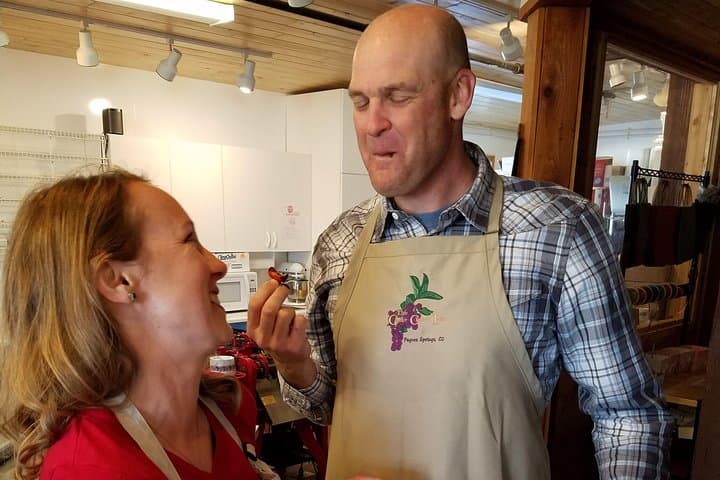
Expect a hands-on session of about 75 minutes with up to eight people per class. The chocolatier provides tempering equipment, couverture chocolate in three styles, fillings, and tools; you sample cocoa nibs, dip fruit, and pipe fillings before setting your shapes to cool. Everything you make is packed to take home.
Practical notes: mention allergies up front, arrive slightly early to settle in, and plan light layers — studio temps are kept cool for chocolate work. Hydrate before the class, and bring a small cooler if you’re traveling in warm weather; finished chocolates travel best kept cool.
easy.
1–1.5 hours.
No special fitness required — this is a seated/light-activity culinary workshop suitable for most adults and older children.
Inform the operator at booking and again on arrival — they can often substitute or avoid certain ingredients but cross-contact in a shared kitchen is possible.
Children are often allowed but check age minimums; very young kids may not be suitable due to hot equipment and fine motor requirements.
Yes — the session includes packaging so you can take home your molded chocolates and dipped items once they’ve set.
Yes — the facility and pathways are listed as wheelchair accessible; notify staff if you need any additional assistance.
Pagosa Springs developed around geothermal springs long used by the Ute people; the town later grew as a mountain resort in the late 19th and early 20th centuries.
Choose classes that use ethically sourced chocolate and minimal single-use plastics; studios that compost trimmings and recycle packaging reduce culinary waste.
The Choke Cherry Tree operates guided outdoor trips and adventures with an emphasis on safety, stewardship, and memorable experiences.
The workshop opens like a small laboratory of scent: warm cocoa, buttered caramel, and the faint mineral air from nearby hot springs. Light bounces off stainless steel tempering machines while a chocolatier demonstrates tempering with a steady, practiced motion — you move in, tools in hand, following a rhythm that turns beans into gloss. The room feels intentional and practical, not fussy: stations, utensils, and labeled ingredients ready for customization.
The workshop opens like a small laboratory of scent: warm cocoa, buttered caramel, and the faint mineral air from nearby hot springs. Light bounces off stainless steel tempering machines while a chocolatier demonstrates tempering with a steady, practiced motion — you move in, tools in hand, following a rhythm that turns beans into gloss. The room feels intentional and practical, not fussy: stations, utensils, and labeled ingredients ready for customization.
Chocolate here arrives through a global story — cacao grown in tropical climates, refined by technique, and reinterpreted in a mountain town known for geothermal pools and Ute heritage. Pagosa Springs sits in the San Juan Basin, where hot water rises through volcanic rock; the town’s mineral-fed springs have long attracted visitors and shaped local hospitality. In a small, modern studio you’ll get a compact history of chocolate’s craft and the basics of tempering, molding, and finishing.
Expect a hands-on session of about 75 minutes with up to eight people per class. The chocolatier provides tempering equipment, couverture chocolate in three styles, fillings, and tools; you sample cocoa nibs, dip fruit, and pipe fillings before setting your shapes to cool. Everything you make is packed to take home.
Practical notes: mention allergies up front, arrive slightly early to settle in, and plan light layers — studio temps are kept cool for chocolate work. Hydrate before the class, and bring a small cooler if you’re traveling in warm weather; finished chocolates travel best kept cool.