THE ADVENTURE COLLECTIVE® · Independent discovery and booking for outdoor travel

Experience Cappadocia’s surreal rock formations, centuries-old cave churches, and the subterranean maze of Kaymakli in one full-day tour. This compact guide explains what to expect, how the landscape formed, and practical tips to make the most of the 7–8 hour experience.
Experience Cappadocia’s surreal rock formations, centuries-old cave churches, and the subterranean maze of Kaymakli in one full-day tour. This compact guide explains what to expect, how the landscape formed, and practical tips to make the most of the 7–8 hour experience.
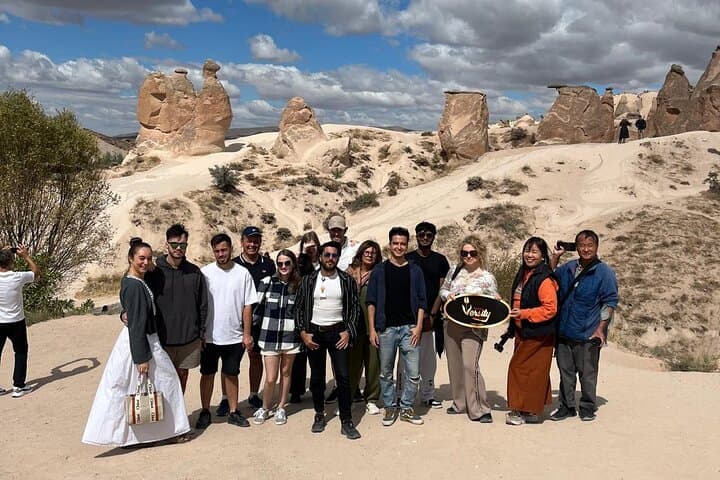
You step off the van and the land seems to hold its breath. A field of strange pillars—fairy chimneys—spikes from a pale plateau, their caps balanced like the lids of ancient amphoras. The air is dry and carries a faint mineral tang; the guide points to a cleft where early Christians painted their stories into rock-cut churches, and you realize this day will move from wind-sculpted ridges to tunnels carved by people who learned to live beneath the earth.
Verified experiences and guided adventures in the surrounding area.
Operated by Versity Travel · Uchisar, Nevşehir Province
You step off the van and the land seems to hold its breath. A field of strange pillars—fairy chimneys—spikes from a pale plateau, their caps balanced like the lids of ancient amphoras. The air is dry and carries a faint mineral tang; the guide points to a cleft where early Christians painted their stories into rock-cut churches, and you realize this day will move from wind-sculpted ridges to tunnels carved by people who learned to live beneath the earth.
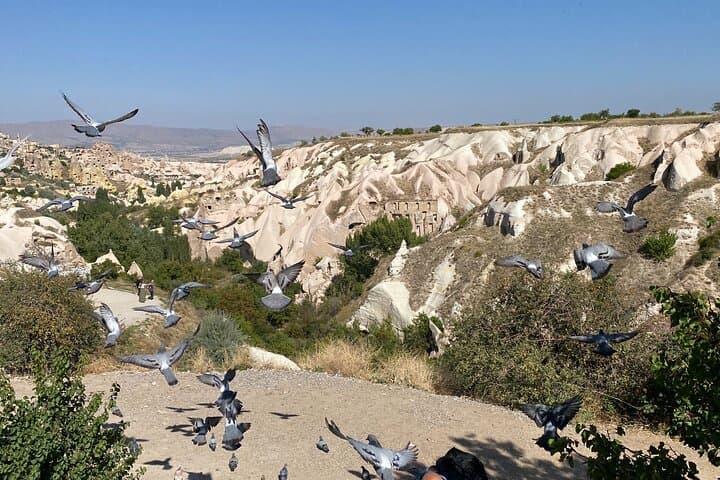
The Ultimate Cappadocia Mixed Tour stitches together the classic Red Tour circuit with a visit to Kaymakli Underground City, delivering both broad panoramas and intimate history in a single 7–8 hour run. Geologically, Cappadocia is a landscape written in volcanic ash and time: eruptions from Mount Erciyes and Hasan blanketed the region in tuff, and millennia of wind and water have carved the soft stone into cones, chimneys, and cave facades. The fairy chimneys aren’t whimsy—they’re erosion zones where a harder capstone shields softer layers below.
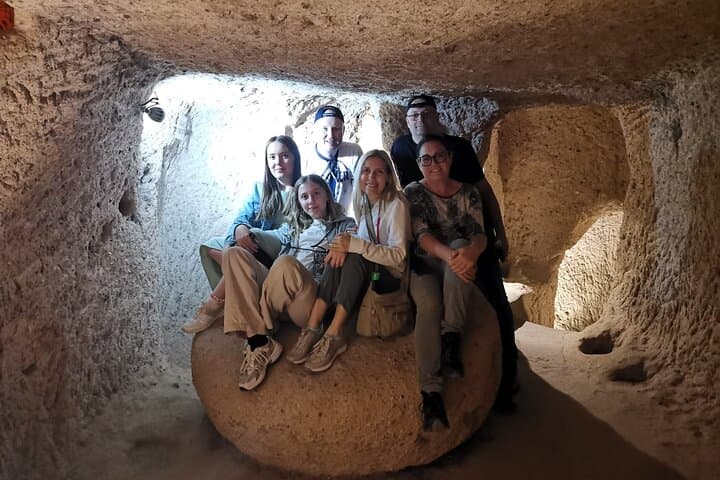
Culturally the region reads like a travel diary of migrations. Hittite and Persian traces give way to a Byzantine Christian era when communities hollowed churches and monasteries into the soft stone; frescoes here still hold color in dim light. Kaymakli’s labyrinths tell the other half of that story—subterranean neighborhoods stacked in levels where families, livestock, and food stores sheltered from raids and harsh winters. The underground city you’ll descend into has multiple floors open to visitors; narrow corridors and low ceilings are real reminders of how people adapted to survive.
Locals in Avanos still shape clay from the Kızılırmak River into vessels the same way their forebears did, and the included pottery demonstration is more than a photo op—it’s a working craft passed down through centuries. Lunch offers straightforward regional fare: gözleme, lentil soup, and steaming çay, a welcome reset between viewpoints.
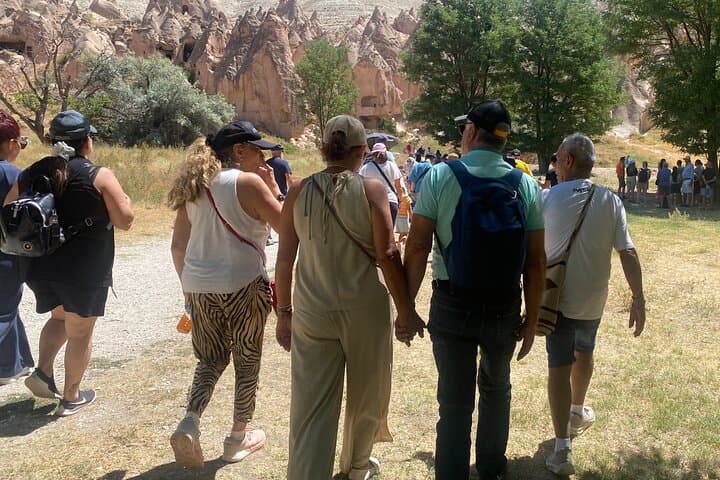
Practical bits: expect a full day with gentle walking between viewpoints and short hikes on uneven paths; footing can be loose so stable shoes matter. The underground sections require stooping and negotiating stairs; people with serious spine or mobility issues should skip the subterranean portion. Carry at least 1–1.5 liters of water, sun protection, and a lightweight layer—the plateaus can be windy even when mornings are warm. The shared tour size is small (up to 15), and pickup from most Cappadocia hotels is included, so the day begins and ends without extra logistics.
For photographers, aim for early morning or late afternoon for the best light on the chimneys; inside the caves, bring a fast lens and a tripod if you want crisp low-light shots. Above all, move deliberately: Cappadocia rewards slow attention—the rock shapes change as the sun moves, and the tunnels reward curiosity if you give them time.
moderate.
7–8 hours.
Suitable for travelers with average fitness—expect several short walks, some stairs, and brief uneven terrain.
Yes—most hotels in Cappadocia are included in the pickup locations; confirm your exact pickup point when booking.
It’s a full day with easy to moderate walking and some stairs; people in average health manage well, but those with spinal issues should avoid the underground portion.
Kaymakli has tight corridors and low ceilings; if you’re claustrophobic, it’s best to remain above ground or notify the guide for alternate arrangements.
Yes—the itinerary includes museum entries and a local lunch as listed in the tour inclusions.
Photography is generally allowed in open sites, but flash may be restricted inside some frescoed churches—follow signage and guide instructions.
Shared tours are limited to about 15 travelers, balancing social atmosphere with manageable group movement.
Cappadocia’s cave dwellings and underground cities reflect continuous habitation from Hittite through Byzantine eras; early Christians expanded cave churches here as sanctuary and worship spaces.
High visitor numbers strain fragile rock-cut sites—stick to marked paths, avoid touching frescoes, and support local guides and museums that fund preservation.
Versity Travel operates guided outdoor trips and adventures with an emphasis on safety, stewardship, and memorable experiences.
You step off the van and the land seems to hold its breath. A field of strange pillars—fairy chimneys—spikes from a pale plateau, their caps balanced like the lids of ancient amphoras. The air is dry and carries a faint mineral tang; the guide points to a cleft where early Christians painted their stories into rock-cut churches, and you realize this day will move from wind-sculpted ridges to tunnels carved by people who learned to live beneath the earth.
You step off the van and the land seems to hold its breath. A field of strange pillars—fairy chimneys—spikes from a pale plateau, their caps balanced like the lids of ancient amphoras. The air is dry and carries a faint mineral tang; the guide points to a cleft where early Christians painted their stories into rock-cut churches, and you realize this day will move from wind-sculpted ridges to tunnels carved by people who learned to live beneath the earth.
The Ultimate Cappadocia Mixed Tour stitches together the classic Red Tour circuit with a visit to Kaymakli Underground City, delivering both broad panoramas and intimate history in a single 7–8 hour run. Geologically, Cappadocia is a landscape written in volcanic ash and time: eruptions from Mount Erciyes and Hasan blanketed the region in tuff, and millennia of wind and water have carved the soft stone into cones, chimneys, and cave facades. The fairy chimneys aren’t whimsy—they’re erosion zones where a harder capstone shields softer layers below.
Culturally the region reads like a travel diary of migrations. Hittite and Persian traces give way to a Byzantine Christian era when communities hollowed churches and monasteries into the soft stone; frescoes here still hold color in dim light. Kaymakli’s labyrinths tell the other half of that story—subterranean neighborhoods stacked in levels where families, livestock, and food stores sheltered from raids and harsh winters. The underground city you’ll descend into has multiple floors open to visitors; narrow corridors and low ceilings are real reminders of how people adapted to survive.
Locals in Avanos still shape clay from the Kızılırmak River into vessels the same way their forebears did, and the included pottery demonstration is more than a photo op—it’s a working craft passed down through centuries. Lunch offers straightforward regional fare: gözleme, lentil soup, and steaming çay, a welcome reset between viewpoints.
Practical bits: expect a full day with gentle walking between viewpoints and short hikes on uneven paths; footing can be loose so stable shoes matter. The underground sections require stooping and negotiating stairs; people with serious spine or mobility issues should skip the subterranean portion. Carry at least 1–1.5 liters of water, sun protection, and a lightweight layer—the plateaus can be windy even when mornings are warm. The shared tour size is small (up to 15), and pickup from most Cappadocia hotels is included, so the day begins and ends without extra logistics.
For photographers, aim for early morning or late afternoon for the best light on the chimneys; inside the caves, bring a fast lens and a tripod if you want crisp low-light shots. Above all, move deliberately: Cappadocia rewards slow attention—the rock shapes change as the sun moves, and the tunnels reward curiosity if you give them time.