THE ADVENTURE COLLECTIVE® · Independent discovery and booking for outdoor travel

A single-day loop that reads Auckland like a field guide: dormant volcanic summits, a windswept black-sand beach with a seasonal gannet colony, and a brewery lunch in the countryside. Perfect for travelers who want geology, wildlife and a taste of the local beer scene.
A single-day loop that reads Auckland like a field guide: dormant volcanic summits, a windswept black-sand beach with a seasonal gannet colony, and a brewery lunch in the countryside. Perfect for travelers who want geology, wildlife and a taste of the local beer scene.
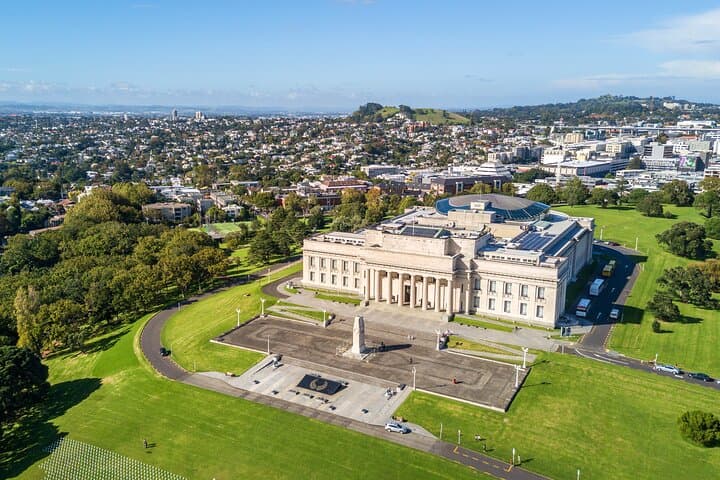
You step off the minibus at Te Toka o Apihai Te Kawau and the city rearranges itself: the harbour opens like a page, Rangitoto’s black cone sits across the water, and the air carries sea-salt and diesel from the ferries. The guide points out the carving on the memorial stone and tells a brief, sharp version of Auckland’s origin — how people have moved through these shores for centuries — then the group is back on the road, a small-troupe of travelers tracing the city’s edges.
Verified experiences and guided adventures in the surrounding area.
Operated by Cheeky Kiwi Travel · Auckland, Auckland
You step off the minibus at Te Toka o Apihai Te Kawau and the city rearranges itself: the harbour opens like a page, Rangitoto’s black cone sits across the water, and the air carries sea-salt and diesel from the ferries. The guide points out the carving on the memorial stone and tells a brief, sharp version of Auckland’s origin — how people have moved through these shores for centuries — then the group is back on the road, a small-troupe of travelers tracing the city’s edges.
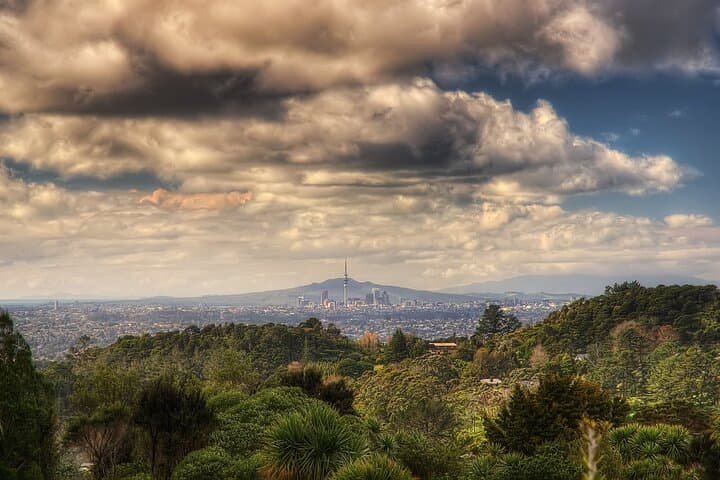
The day’s loop stitches urban geology to a raw ocean edge. Auckland is a city of volcanoes — Mt Eden’s grassy rim is less than a half-hour walk from the parking area, but climbing it feels like entering an older map. Rangitoto, visible from many viewpoints, is the youngest of the field and a reminder that the land here is active in geological terms even when it sleeps. On Tamaki Drive, clifftop parks and broad vistas tell both Māori history and colonial settlement, and the volcanic soil shows in iron-stained cliffs and black sand pushing into the surf at the wild western beaches.
Out on the west coast, Muriwai makes its case. The beach’s black sand is not merely dramatic; it records rivers of iron-rich sediment and lava ground into sand by ocean power. The clifftop path that leads toward the gannet colony offers a front-row seat to the birds’ seasonal pageant — when they’re nesting the colony is loud and purposeful: adults dive like missiles into the surf and return with fish. On the other side of the day, Devonport’s North Head presents a different history: gun emplacements, wartime tunnels, and views angled to watch the harbour rather than the open sea.
The human chapter of the tour is balanced by a local brewery stop. Hallertau sits in the countryside beyond the harbour bridge and offers a set lunch and optional tasting; it’s a good place to sample the region’s craft-beer culture and talk with the guide about farm-to-glass ingredients.
Practical edge: this is an eight-hour small-group tour with a maximum of fifteen people and a moderate level of walking — expect short climbs, uneven surfaces, and cliffside trails. Wear sturdy shoes for Mt Eden and the Muriwai clifftop, bring a windproof layer for coastal gusts, and pack binoculars for seabird viewing. If you plan to drink, bring ID (minimum age 18) and your passport if you’re an overseas visitor. The gannet colony is seasonal (best seen late August–January); in winter the coast is exposed and dramatic but colder and rougher.
Timing matters: start early for clearer light on the volcanic cones and quieter streets, and choose the ferry option back from Devonport for one last, photographic slice of Auckland’s harbour life. Respect the marked tracks at the colony and follow your guide’s instructions: these are fragile habitats, and a considerate visit keeps the wildlife wild.
moderate.
8 hours.
Moderately fit: able to walk short climbs and stand for extended viewing periods.
The tour runs about 8 hours, typically starting with hotel pickups in the morning and returning in the late afternoon.
Gannets are seasonal—best viewing is late August through January when nesting activity peaks; sightings aren’t guaranteed but the clifftop viewpoint offers the best chance.
Yes; a set lunch at Hallertau Brewery is included. Beer tastings are optional and paid locally.
The minimum drinking age is 18. If you plan to sample alcohol, carry a valid ID or passport; children under seven must travel in a child safety car seat.
No—uneven surfaces and moderate walking make this tour unsuitable for wheelchairs or those with significant walking disabilities.
Tours may be canceled or altered in poor weather. The operator will notify you and offer alternatives or refunds if minimum numbers or safety conditions aren’t met.
Auckland sits on a volcanic field and on lands long settled by Tāmaki Makaurau iwi; sites like Te Toka o Apihai Te Kawau mark both Māori founding narratives and later colonial urban development.
The Muriwai gannet colony is protected and sensitive to disturbance—stay on designated tracks, avoid drones near birds, and follow guide instructions to minimize impact.
Cheeky Kiwi Travel operates guided outdoor trips and adventures with an emphasis on safety, stewardship, and memorable experiences.
You step off the minibus at Te Toka o Apihai Te Kawau and the city rearranges itself: the harbour opens like a page, Rangitoto’s black cone sits across the water, and the air carries sea-salt and diesel from the ferries. The guide points out the carving on the memorial stone and tells a brief, sharp version of Auckland’s origin — how people have moved through these shores for centuries — then the group is back on the road, a small-troupe of travelers tracing the city’s edges.
You step off the minibus at Te Toka o Apihai Te Kawau and the city rearranges itself: the harbour opens like a page, Rangitoto’s black cone sits across the water, and the air carries sea-salt and diesel from the ferries. The guide points out the carving on the memorial stone and tells a brief, sharp version of Auckland’s origin — how people have moved through these shores for centuries — then the group is back on the road, a small-troupe of travelers tracing the city’s edges.
The day’s loop stitches urban geology to a raw ocean edge. Auckland is a city of volcanoes — Mt Eden’s grassy rim is less than a half-hour walk from the parking area, but climbing it feels like entering an older map. Rangitoto, visible from many viewpoints, is the youngest of the field and a reminder that the land here is active in geological terms even when it sleeps. On Tamaki Drive, clifftop parks and broad vistas tell both Māori history and colonial settlement, and the volcanic soil shows in iron-stained cliffs and black sand pushing into the surf at the wild western beaches.
Out on the west coast, Muriwai makes its case. The beach’s black sand is not merely dramatic; it records rivers of iron-rich sediment and lava ground into sand by ocean power. The clifftop path that leads toward the gannet colony offers a front-row seat to the birds’ seasonal pageant — when they’re nesting the colony is loud and purposeful: adults dive like missiles into the surf and return with fish. On the other side of the day, Devonport’s North Head presents a different history: gun emplacements, wartime tunnels, and views angled to watch the harbour rather than the open sea.
The human chapter of the tour is balanced by a local brewery stop. Hallertau sits in the countryside beyond the harbour bridge and offers a set lunch and optional tasting; it’s a good place to sample the region’s craft-beer culture and talk with the guide about farm-to-glass ingredients.
Practical edge: this is an eight-hour small-group tour with a maximum of fifteen people and a moderate level of walking — expect short climbs, uneven surfaces, and cliffside trails. Wear sturdy shoes for Mt Eden and the Muriwai clifftop, bring a windproof layer for coastal gusts, and pack binoculars for seabird viewing. If you plan to drink, bring ID (minimum age 18) and your passport if you’re an overseas visitor. The gannet colony is seasonal (best seen late August–January); in winter the coast is exposed and dramatic but colder and rougher.
Timing matters: start early for clearer light on the volcanic cones and quieter streets, and choose the ferry option back from Devonport for one last, photographic slice of Auckland’s harbour life. Respect the marked tracks at the colony and follow your guide’s instructions: these are fragile habitats, and a considerate visit keeps the wildlife wild.