THE ADVENTURE COLLECTIVE® · Independent discovery and booking for outdoor travel

Drive the Ha Giang Loop in a vintage open-top Jeep over three days, hitting Ma Pi Leng Pass, Dong Van, Lung Cu and village homestays. Expect dramatic karst vistas, cultural encounters with ethnic minorities, and manageable walking at viewpoints.
Drive the Ha Giang Loop in a vintage open-top Jeep over three days, hitting Ma Pi Leng Pass, Dong Van, Lung Cu and village homestays. Expect dramatic karst vistas, cultural encounters with ethnic minorities, and manageable walking at viewpoints.
Sunlight cuts across terraced fields as a vintage open-top Jeep hums up a hairpin; the wind rearranges a scarf and the valley answers with a rush of river and birdcall.
Verified experiences and guided adventures in the surrounding area.
Operated by Tiger Trail Travel · Ha Giang, Ha Giang Province
Sunlight cuts across terraced fields as a vintage open-top Jeep hums up a hairpin; the wind rearranges a scarf and the valley answers with a rush of river and birdcall.
Over three days you move through northern Vietnam’s high limestone plateaus and narrow canyons, watching cliffs twist into ridgelines that challenge the sky. The famed Ma Pi Leng Pass drops your breath as the Nho Que River dares you to lean over the rail and take the view in.
This route threads through the Dong Van Karst Plateau Geopark, an ancient landscape of weathered limestone formed over hundreds of millions of years when seas rose and fell.
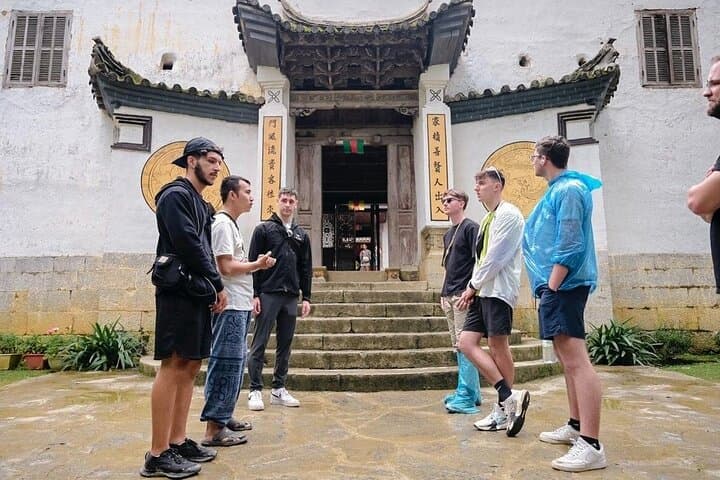
Culturally, the loop is an archive of Hmong, Dao, Tay and other ethnic minority communities; villages like Du Gia and Dong Van retain traditional wooden houses, markets, and the H’mong King’s Palace in Sa Phin—a reminder of 20th‑century local leadership and stone architecture.
Practicalities matter here: expect long driving days on narrow mountain roads, short walks at viewpoints, and two nights in family-run homestays. Your guide handles permits, timing and local logistics while you focus on the landscape.
Bring sturdy shoes for short hikes, layers for quick temperature shifts, and motion-sickness remedies if you’re sensitive to winding roads. Travel light, keep water on hand, and plan photo stops for sunrise or late afternoon when light sculpts the karst and ridgelines.
This trip is less about strenuous effort and more about presence—listen to the river pushing forward, to the road calling you onward.
moderate.
3 days.
Moderate fitness; suitable for travelers comfortable sitting for long vehicle days and walking short, uneven trails.
Roads vary from paved two-lane passes to narrow, curving mountain roads; a professional driver is provided and the Jeep offers an open-air but stable ride.
Accommodations are private rooms in family-run homestays or basic hotels—comfortable for short stays but simpler than city hotels.
It’s private and adaptable, but not recommended for travelers with serious back issues, pregnant guests, or those unable to tolerate long vehicle days.
Autumn (September–November) offers clear skies and cooler temperatures; spring has flowers, summer brings heavier rain, and winter can be chilly at altitude.
The Dong Van Plateau formed from ancient marine sediment; the H’mong King’s Palace in Sa Phin highlights local leadership and stone construction from the early 20th century.
The area is within a UNESCO-recognized geopark; stay on marked routes, avoid single-use plastics, and support local homestays to encourage community-based tourism.
Tiger Trail Travel operates guided outdoor trips and adventures with an emphasis on safety, stewardship, and memorable experiences.
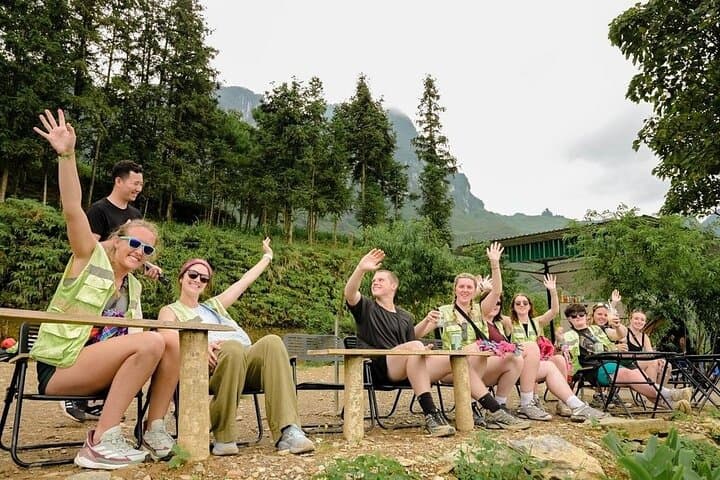
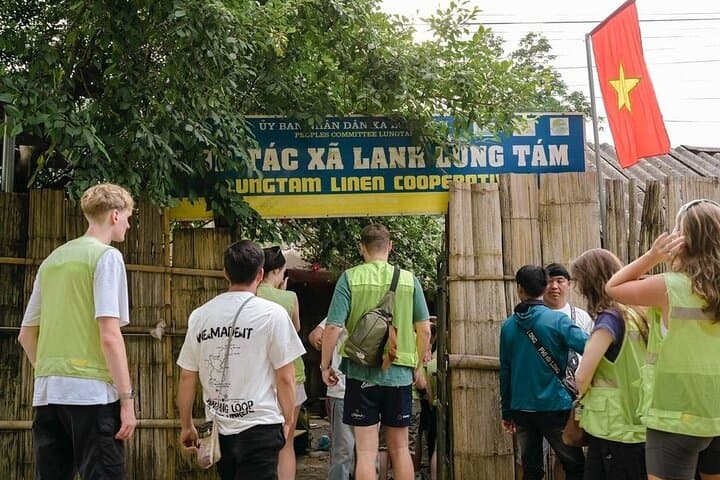
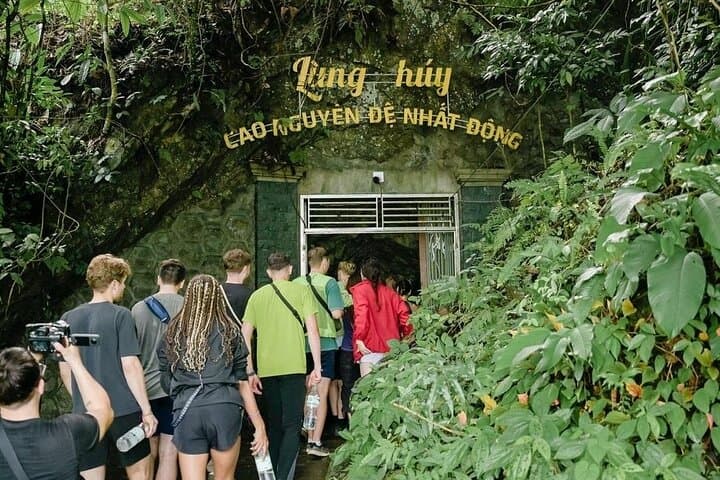
Sunlight cuts across terraced fields as a vintage open-top Jeep hums up a hairpin; the wind rearranges a scarf and the valley answers with a rush of river and birdcall.
Sunlight cuts across terraced fields as a vintage open-top Jeep hums up a hairpin; the wind rearranges a scarf and the valley answers with a rush of river and birdcall.
Over three days you move through northern Vietnam’s high limestone plateaus and narrow canyons, watching cliffs twist into ridgelines that challenge the sky. The famed Ma Pi Leng Pass drops your breath as the Nho Que River dares you to lean over the rail and take the view in.
This route threads through the Dong Van Karst Plateau Geopark, an ancient landscape of weathered limestone formed over hundreds of millions of years when seas rose and fell.
Culturally, the loop is an archive of Hmong, Dao, Tay and other ethnic minority communities; villages like Du Gia and Dong Van retain traditional wooden houses, markets, and the H’mong King’s Palace in Sa Phin—a reminder of 20th‑century local leadership and stone architecture.
Practicalities matter here: expect long driving days on narrow mountain roads, short walks at viewpoints, and two nights in family-run homestays. Your guide handles permits, timing and local logistics while you focus on the landscape.
Bring sturdy shoes for short hikes, layers for quick temperature shifts, and motion-sickness remedies if you’re sensitive to winding roads. Travel light, keep water on hand, and plan photo stops for sunrise or late afternoon when light sculpts the karst and ridgelines.
This trip is less about strenuous effort and more about presence—listen to the river pushing forward, to the road calling you onward.