THE ADVENTURE COLLECTIVE® · Independent discovery and booking for outdoor travel

Three days of sunrise temples, jungle riverbeds with carved lingas, and floating villages on Tonle Sap. This guided loop from Siem Reap blends Angkor’s major sites with Phnom Kulen’s waterfalls and local culture—ideal for travelers who want a compact, active cultural adventure.
Three days of sunrise temples, jungle riverbeds with carved lingas, and floating villages on Tonle Sap. This guided loop from Siem Reap blends Angkor’s major sites with Phnom Kulen’s waterfalls and local culture—ideal for travelers who want a compact, active cultural adventure.
Dawn breaks across the moat and causeway of Angkor Wat, birds skimming the mirrored pools while the temple’s towers silhouette against a pale sky. On this three-day loop from Siem Reap, stone and water trade places: carved Linga lie like counted breaths along a riverbed at Kbal Spean, and the wide Tonle Sap pushes and pulls in a seasonal pulse that shapes local life.
Verified experiences and guided adventures in the surrounding area.
Operated by Angkor 𝐓𝐫𝐚𝐯𝐞𝐥 𝐆𝐮𝐢𝐝𝐞 · Siem Reap, Siem Reap Province
Dawn breaks across the moat and causeway of Angkor Wat, birds skimming the mirrored pools while the temple’s towers silhouette against a pale sky. On this three-day loop from Siem Reap, stone and water trade places: carved Linga lie like counted breaths along a riverbed at Kbal Spean, and the wide Tonle Sap pushes and pulls in a seasonal pulse that shapes local life.
The region was the heart of the Khmer Empire, its sandstone and laterite temples rising between the 9th and 13th centuries. Angkor Wat’s bas-reliefs narrate court life and myth; Banteay Srei’s pink sandstone preserves delicate carvings; Phnom Kulen’s river is stamped with thousands of Shiva lingas, a geological page where sandstone flows reveal ancient channeling and spiritual practice.
Culturally, the tour crosses living villages and floating communities on Tonle Sap, offering a window into contemporary Khmer fishing and rice economies that depend on seasonal floods. Guides typically explain temple etiquette and the significance of Buddhist and Hindu iconography.
Practical guidance: expect full days of guided walking on uneven stone, dusty tracks, and short jungle trails—sturdy shoes and a brimmed hat help. Purchase an Angkor Park pass on arrival (often handled by the guide), plan sunrise at Angkor Wat and a late afternoon at Bakheng to avoid midday heat, and carry cash for small vendors.
Hydration is essential; cool towels are a welcome inclusion on many tours. Respect temple dress codes (shoulders and knees covered). With a mix of archaeology, light hiking, and river life, this itinerary balances cultural depth and outdoor variety for travelers prepared for humid conditions and long walking days.
moderate.
3 days (full-day activities each day).
Comfortable walking fitness: expect several hours on foot daily over uneven temple stone and short jungle paths
The guide usually assists with purchasing the Angkor Park pass on day one, but admission fees are typically paid separately at the ticket center.
Expect several hours of walking daily over stone causeways, temple steps and short jungle trails; most days include 2–4 hours of guided walking and additional time for transfers.
Local restaurants can often accommodate common dietary requests—notify the tour operator in advance to arrange meals or packed lunches.
The tour is described as suitable for most fitness levels, but many temple sites have steep steps and uneven surfaces; consider mobility limitations and consult the operator about vehicle access and alternative viewpoints.
Angkor was the capital of the Khmer Empire from the 9th–15th centuries; many temples were state projects combining Hindu and later Buddhist symbolism built from local sandstone and laterite.
Seasonal tourism pressure and water management affect local ecosystems—support community-run enterprises and avoid single-use plastics to reduce impact.
Angkor 𝐓𝐫𝐚𝐯𝐞𝐥 𝐆𝐮𝐢𝐝𝐞 operates guided outdoor trips and adventures with an emphasis on safety, stewardship, and memorable experiences.
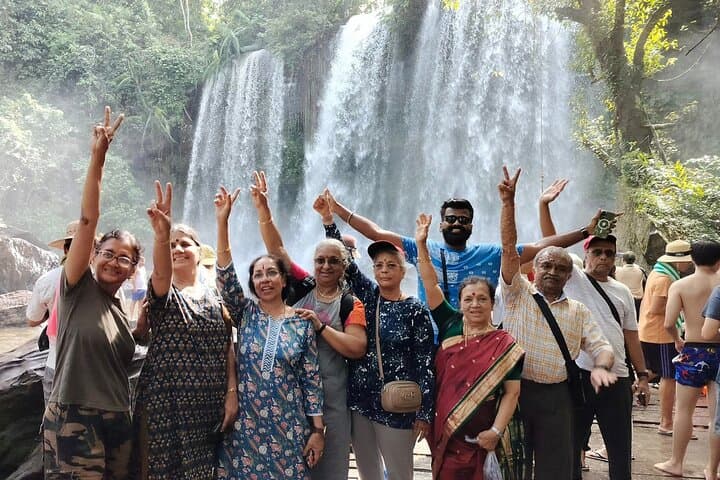
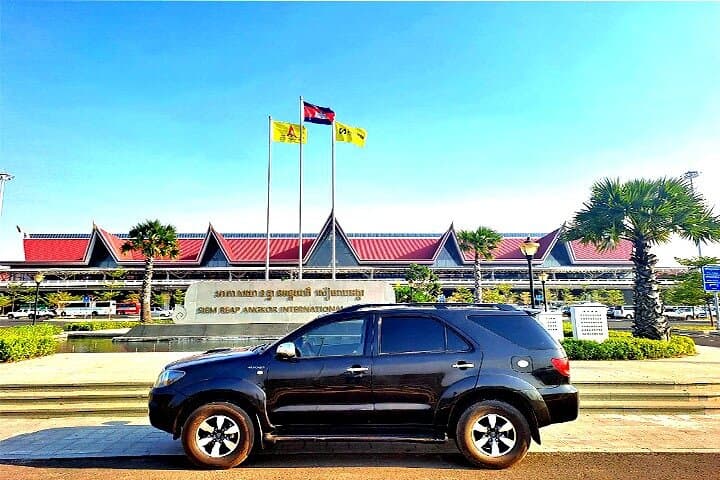
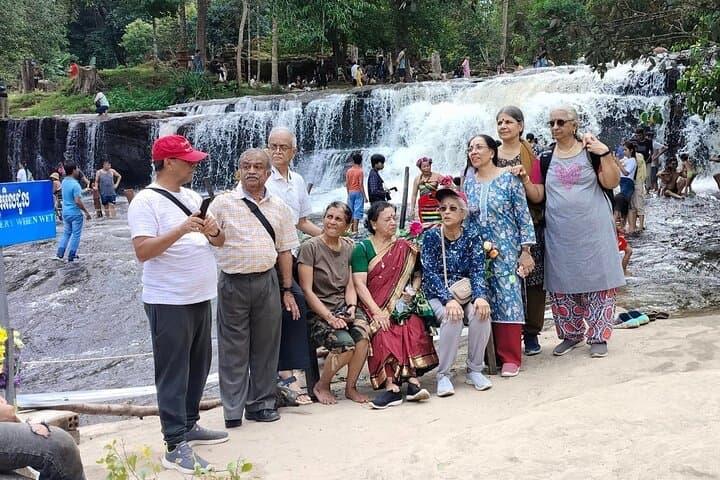

Dawn breaks across the moat and causeway of Angkor Wat, birds skimming the mirrored pools while the temple’s towers silhouette against a pale sky. On this three-day loop from Siem Reap, stone and water trade places: carved Linga lie like counted breaths along a riverbed at Kbal Spean, and the wide Tonle Sap pushes and pulls in a seasonal pulse that shapes local life.
Dawn breaks across the moat and causeway of Angkor Wat, birds skimming the mirrored pools while the temple’s towers silhouette against a pale sky. On this three-day loop from Siem Reap, stone and water trade places: carved Linga lie like counted breaths along a riverbed at Kbal Spean, and the wide Tonle Sap pushes and pulls in a seasonal pulse that shapes local life.
The region was the heart of the Khmer Empire, its sandstone and laterite temples rising between the 9th and 13th centuries. Angkor Wat’s bas-reliefs narrate court life and myth; Banteay Srei’s pink sandstone preserves delicate carvings; Phnom Kulen’s river is stamped with thousands of Shiva lingas, a geological page where sandstone flows reveal ancient channeling and spiritual practice.
Culturally, the tour crosses living villages and floating communities on Tonle Sap, offering a window into contemporary Khmer fishing and rice economies that depend on seasonal floods. Guides typically explain temple etiquette and the significance of Buddhist and Hindu iconography.
Practical guidance: expect full days of guided walking on uneven stone, dusty tracks, and short jungle trails—sturdy shoes and a brimmed hat help. Purchase an Angkor Park pass on arrival (often handled by the guide), plan sunrise at Angkor Wat and a late afternoon at Bakheng to avoid midday heat, and carry cash for small vendors.
Hydration is essential; cool towels are a welcome inclusion on many tours. Respect temple dress codes (shoulders and knees covered). With a mix of archaeology, light hiking, and river life, this itinerary balances cultural depth and outdoor variety for travelers prepared for humid conditions and long walking days.