THE ADVENTURE COLLECTIVE® · Independent discovery and booking for outdoor travel

This compact two-day expedition pairs a sobering, up-close DMZ exploration with an efficient tour of Seoul’s cultural highlights—palaces, temples, markets and N Seoul Tower. Expect full days, ID checks, and powerful historical contrasts.
This compact two-day expedition pairs a sobering, up-close DMZ exploration with an efficient tour of Seoul’s cultural highlights—palaces, temples, markets and N Seoul Tower. Expect full days, ID checks, and powerful historical contrasts.
You step off the air-conditioned tour bus and the air shifts—cooler, quieter—like the city has been left behind and the country is watching. On day one the landscape tightens into observation posts and fences; the Imjin River dares you to peer across at a world you cannot enter. On day two, Seoul unwraps itself: palaces, tea-scented alleys, and a skyline that alternates between timbered roofs and glass towers.
Verified experiences and guided adventures in the surrounding area.
Operated by VIP TRAVEL Co.Ltd · Seoul, Seoul
You step off the air-conditioned tour bus and the air shifts—cooler, quieter—like the city has been left behind and the country is watching. On day one the landscape tightens into observation posts and fences; the Imjin River dares you to peer across at a world you cannot enter. On day two, Seoul unwraps itself: palaces, tea-scented alleys, and a skyline that alternates between timbered roofs and glass towers.
The DMZ is both geological boundary and geopolitical scar—a buffer carved across rolling low hills shaped by the Imjin and its tributaries. Imjingak Park and the Freedom Bridge hold material traces of the Korean War: rusted locomotives, bullet-pocked bridges and memorials that map grief into place. Dora Observatory offers telescopic views of Kijong-dong and Kaesong, where propaganda architecture sits like a staged set across the border.
Seoul’s history is layered—Joseon palaces from the 14th century, Buddhist temples fragrant with incense, and modern markets that trace trade routes still alive today. Cultural notes: remove shoes at temple thresholds, respect memorial altars, and watch the guard schedule—some palace stops close on Tuesdays.
Practical guidance: carry your passport and a charged phone; military checkpoints require ID. Wear sturdy, comfortable shoes—expect extensive walking and some stairs. Bring water and seasonal layers: Paju can be colder than downtown Seoul. Aim for early departures to avoid mid-day crowds and allow time in Insadong or Kwangjang Market for a restorative meal. The two-day loop is a measured mix of solemn history and kinetic urban culture—plan for full days, small comforts, and an itinerary that leaves room to reflect.
easy.
8–10 hours per day.
Able to stand and walk for several hours with occasional stairs; no special fitness required
Yes—every guest must present a passport or South Korea-issued ARC at military checkpoints to enter civilian-controlled DMZ areas.
The tunnel is narrow and low (about 2 meters tall and wide); those uncomfortable with confined spaces or very young children may choose to wait near the exit instead of descending.
Meals are typically not included; the tour stops at markets and designated lunch spots—notify the operator in advance about dietary restrictions during booking.
Full refunds are available if you cancel at least 24 hours before departure; last-minute cancellations within 24 hours are not refundable per the tour’s standard policy.
The Korean Armistice Agreement (1953) created the 2.5-mile DMZ; sites like Imjingak Park and the Freedom Bridge memorialize families separated by the conflict.
The DMZ’s restricted access has inadvertently created wildlife refuges; visitors should follow designated paths and avoid disturbing habitats to protect these recovering ecosystems.
VIP TRAVEL Co.Ltd operates guided outdoor trips and adventures with an emphasis on safety, stewardship, and memorable experiences.
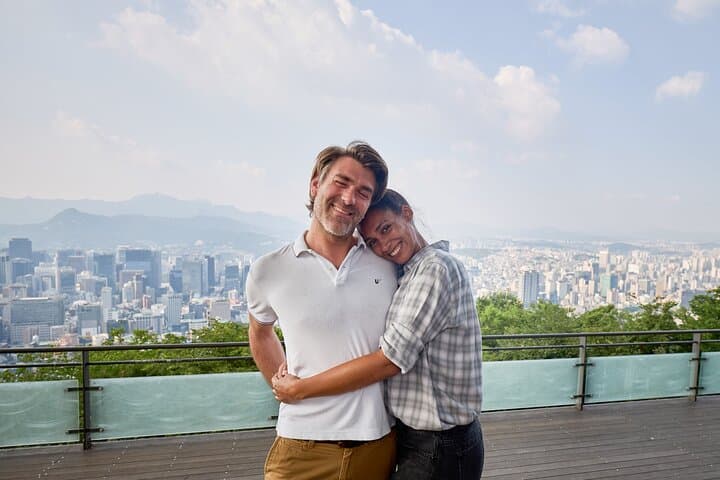
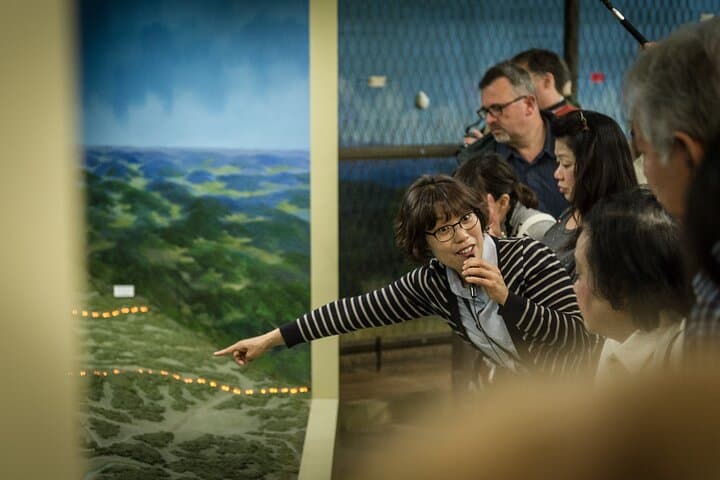
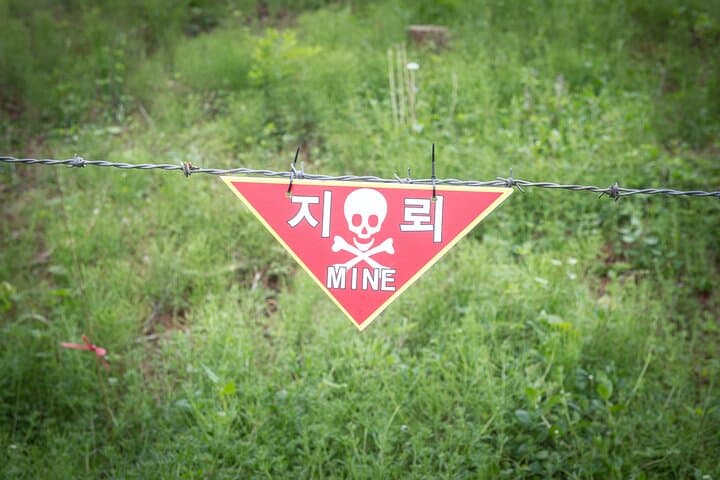
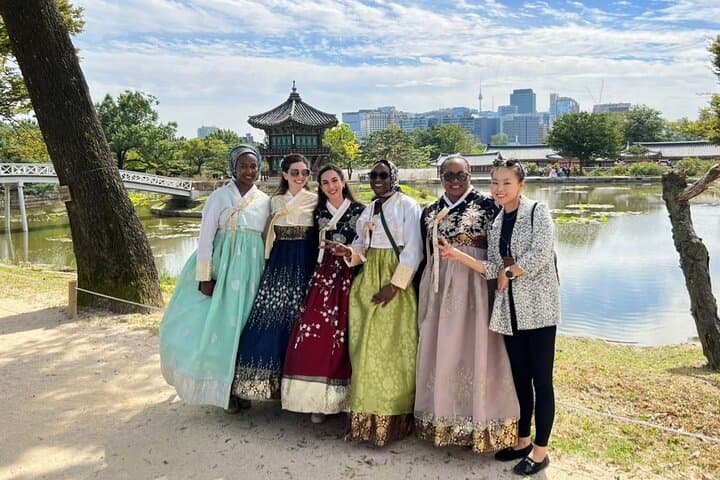
You step off the air-conditioned tour bus and the air shifts—cooler, quieter—like the city has been left behind and the country is watching. On day one the landscape tightens into observation posts and fences; the Imjin River dares you to peer across at a world you cannot enter. On day two, Seoul unwraps itself: palaces, tea-scented alleys, and a skyline that alternates between timbered roofs and glass towers.
You step off the air-conditioned tour bus and the air shifts—cooler, quieter—like the city has been left behind and the country is watching. On day one the landscape tightens into observation posts and fences; the Imjin River dares you to peer across at a world you cannot enter. On day two, Seoul unwraps itself: palaces, tea-scented alleys, and a skyline that alternates between timbered roofs and glass towers.
The DMZ is both geological boundary and geopolitical scar—a buffer carved across rolling low hills shaped by the Imjin and its tributaries. Imjingak Park and the Freedom Bridge hold material traces of the Korean War: rusted locomotives, bullet-pocked bridges and memorials that map grief into place. Dora Observatory offers telescopic views of Kijong-dong and Kaesong, where propaganda architecture sits like a staged set across the border.
Seoul’s history is layered—Joseon palaces from the 14th century, Buddhist temples fragrant with incense, and modern markets that trace trade routes still alive today. Cultural notes: remove shoes at temple thresholds, respect memorial altars, and watch the guard schedule—some palace stops close on Tuesdays.
Practical guidance: carry your passport and a charged phone; military checkpoints require ID. Wear sturdy, comfortable shoes—expect extensive walking and some stairs. Bring water and seasonal layers: Paju can be colder than downtown Seoul. Aim for early departures to avoid mid-day crowds and allow time in Insadong or Kwangjang Market for a restorative meal. The two-day loop is a measured mix of solemn history and kinetic urban culture—plan for full days, small comforts, and an itinerary that leaves room to reflect.