THE ADVENTURE COLLECTIVE® · Independent discovery and booking for outdoor travel

Cross ancient temple complexes, floating villages and offshore islands on a 19-day guided circuit through Cambodia. Early mornings at Angkor, river cruises on Tonle Sap, and beach days on Koh Rong combine history, nature and practical travel logistics.
Cross ancient temple complexes, floating villages and offshore islands on a 19-day guided circuit through Cambodia. Early mornings at Angkor, river cruises on Tonle Sap, and beach days on Koh Rong combine history, nature and practical travel logistics.
Dawn breaks behind the five towers of Angkor Wat and the first light catches on the Tonle Sap river, sending a silver ribbon through Phnom Penh’s riverside. You move between temples carved with naga and bas-reliefs, then trade stone corridors for the hush of Koh Rong’s beaches where phosphorescent plankton dares you to wade.
Verified experiences and guided adventures in the surrounding area.
Operated by Hok Cambodia Journeys · Phnom Penh, Phnom Penh
Dawn breaks behind the five towers of Angkor Wat and the first light catches on the Tonle Sap river, sending a silver ribbon through Phnom Penh’s riverside. You move between temples carved with naga and bas-reliefs, then trade stone corridors for the hush of Koh Rong’s beaches where phosphorescent plankton dares you to wade.
This 19-day route threads Cambodia’s history and geology: pre-Angkorian brick shrines at Sambor Prei Kuk, the Khmer Empire’s city-planning around massive barays, and the seasonal pulse of the Mekong–Tonle Sap system that swells the lake each monsoon. Cultural life centers on Theravada practice, pepper plantations of Kampot, and coastal fishing communities that still cook crabs over charcoal. You’ll see colonial facades in Battambang, Khmer Rouge memorial sites near Phnom Penh, and remote hill temples like Preah Vihear perched on the Dângrêk escarpment.
Practical guidance: expect long travel days and varied terrain—city streets, temple pathways (uneven stone), jungle trails and soft beaches. Start days early to avoid heat and crowds. Bring a light, breathable rain shell for short monsoon downpours, a daypack for water and sunscreen, and modest clothing for temple visits (knees/shoulders covered). Hydrate constantly, use reef-safe sunscreen on islands, and carry small bills for local markets and tips.
Logistics note: accommodations are 4-star throughout, transfers by air‑conditioned vehicle and scheduled boats to islands. Pace the itinerary—build in rest days on Koh Rong or Kep to recover between long inland transfers.
moderate.
19 days.
Moderate fitness recommended—able to handle multi-hour walking days, short hikes, and extended vehicle transfers.
Many nationalities can obtain an e-visa or visa on arrival; check current entry rules and allow extra processing time before travel.
The dry season (November–April) offers cooler, sunny days for temples and islands; the wet season (May–October) brings dramatic green landscapes and fewer tourists but more rain.
Routine vaccinations are recommended; travelers should consult a travel clinic about hepatitis A, typhoid and malaria risk in certain rural areas and bring any regular medications.
The tour accommodates most fitness levels but includes long transfers and uneven temple steps—discuss mobility needs with the operator for tailored arrangements.
Cambodia’s heritage centers on the Khmer Empire (9th–15th centuries), whose hydraulic engineering and temple-building shaped much of the region’s landscape and culture.
Tonle Sap is a UNESCO Biosphere Reserve—minimize plastic waste, use local guides who support community-based tourism, and avoid purchasing wildlife products.
Hok Cambodia Journeys operates guided outdoor trips and adventures with an emphasis on safety, stewardship, and memorable experiences.


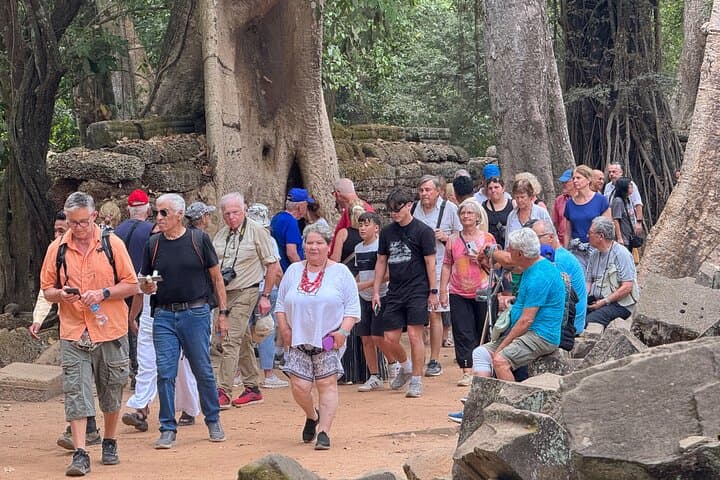
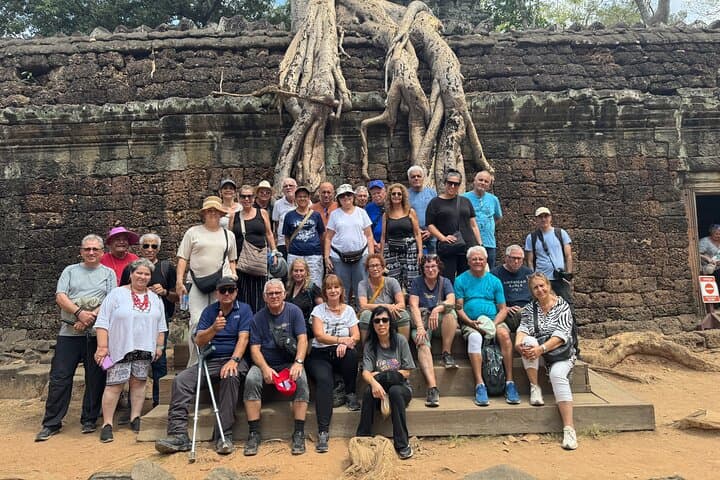
Dawn breaks behind the five towers of Angkor Wat and the first light catches on the Tonle Sap river, sending a silver ribbon through Phnom Penh’s riverside. You move between temples carved with naga and bas-reliefs, then trade stone corridors for the hush of Koh Rong’s beaches where phosphorescent plankton dares you to wade.
Dawn breaks behind the five towers of Angkor Wat and the first light catches on the Tonle Sap river, sending a silver ribbon through Phnom Penh’s riverside. You move between temples carved with naga and bas-reliefs, then trade stone corridors for the hush of Koh Rong’s beaches where phosphorescent plankton dares you to wade.
This 19-day route threads Cambodia’s history and geology: pre-Angkorian brick shrines at Sambor Prei Kuk, the Khmer Empire’s city-planning around massive barays, and the seasonal pulse of the Mekong–Tonle Sap system that swells the lake each monsoon. Cultural life centers on Theravada practice, pepper plantations of Kampot, and coastal fishing communities that still cook crabs over charcoal. You’ll see colonial facades in Battambang, Khmer Rouge memorial sites near Phnom Penh, and remote hill temples like Preah Vihear perched on the Dângrêk escarpment.
Practical guidance: expect long travel days and varied terrain—city streets, temple pathways (uneven stone), jungle trails and soft beaches. Start days early to avoid heat and crowds. Bring a light, breathable rain shell for short monsoon downpours, a daypack for water and sunscreen, and modest clothing for temple visits (knees/shoulders covered). Hydrate constantly, use reef-safe sunscreen on islands, and carry small bills for local markets and tips.
Logistics note: accommodations are 4-star throughout, transfers by air‑conditioned vehicle and scheduled boats to islands. Pace the itinerary—build in rest days on Koh Rong or Kep to recover between long inland transfers.