THE ADVENTURE COLLECTIVE® · Independent discovery and booking for outdoor travel

A compact, 13‑day loop that pairs Ha Long’s limestone towers with Hoi An’s lanterned streets, Hue’s imperial gates, and the Mekong’s floating markets. This itinerary balances active days—cycling, kayaking, short hikes—with comfortable overnight stays and domestic flights to move quickly between Vietnam’s most compelling regions.
A compact, 13‑day loop that pairs Ha Long’s limestone towers with Hoi An’s lanterned streets, Hue’s imperial gates, and the Mekong’s floating markets. This itinerary balances active days—cycling, kayaking, short hikes—with comfortable overnight stays and domestic flights to move quickly between Vietnam’s most compelling regions.
You step off the plane into a humid, fragrant morning and Hanoi greets you with a cacophony of scooters, street-food smoke, and a river of people moving with urgent grace. By dusk the city’s Old Quarter folds into itself—lanterns and lacquered wood framing narrow lanes—and the week ahead begins to feel like a slow, deliberate unspooling of Vietnam’s layers: highland rice, limestone towers, coastal wind, and soot-streaked city history.
Verified experiences and guided adventures in the surrounding area.
Operated by Authentic Adventures · Hanoi, Hanoi
You step off the plane into a humid, fragrant morning and Hanoi greets you with a cacophony of scooters, street-food smoke, and a river of people moving with urgent grace. By dusk the city’s Old Quarter folds into itself—lanterns and lacquered wood framing narrow lanes—and the week ahead begins to feel like a slow, deliberate unspooling of Vietnam’s layers: highland rice, limestone towers, coastal wind, and soot-streaked city history.
This 13‑day loop starts in Hanoi and threads north to the karst islands of Ha Long and Lan Ha Bay, then arcs down the coast through the marble cliffs of Da Nang, the lantern-lit alleys of Hoi An, the imperial ruins of Hue, and finally the frenetic energy of Ho Chi Minh City and the watery arteries of the Mekong Delta. Geologically, the tour contrasts Quaternary coastal plains and the dramatic carbonates of Halong Bay—those limestone pillars that have been sculpted by millennia of wind and sea. Culturally it’s just as varied: you’ll cycle among Thai minority farms in Mai Chau, trace Cham influences in central Vietnam, and move through the Nguyen dynasty’s imperial architecture in Hue.
Highlights are tactile and varied: morning Tai Chi on a cruise sundeck in Lan Ha Bay; paddling past floating fishing houses and rock towers; a basket-boat skiff through Hoi An’s Cam Thanh coconut forest; crawling into the claustrophobic, ingenious Cu Chi Tunnels that reveal wartime survival by stealth rather than force. The itinerary balances included comforts—private rooms, domestic flights, an overnight cruise—with active windows: easy villages rides, moderate hikes around Marble Mountain steps, and short kayak legs in sheltered lagoons.
Practical edge: travel days are frequent but not exhausting—the longest coach leg is the Hai Van Pass drive, about 2–3 hours with photo stops. Expect easy elevation changes (most under 200 m) except for brief climbs at Ngu Hanh Son (Marble Mountain). The tour provides many meals (12 breakfasts, multiple lunches and dinners), entrance fees, and local guides; bring cash for markets, tips, and smaller vendors.
When to go: aim for October‑April to avoid the heaviest summer rains and Gulf of Tonkin typhoon risks. Bring quick‑dry layers, reef‑safe sunscreen, and comfortable shoes for mixed surfaces: cobbles, mud, and boat decks. Respect local customs—remove shoes in temples, accept hospitality quietly, and leave no trace in fragile karst and wetland zones.
By the final morning in Ho Chi Minh City, the trip’s tempo has taught you to read Vietnam’s shifts: the ocean dares you, rivers push you forward, and cities keep insisting you pay attention. It’s a route that rewards curiosity and offers a practical, paced approach to the country’s best chapters.
moderate.
13 days.
Moderate fitness required: able to handle multi-hour travel days, several short hikes, cycling on flat to rolling village roads, and basic kayaking.
Yes, one domestic flight (Hanoi → Da Nang and later Da Nang → Ho Chi Minh City) is included in the itinerary.
The tour states wheelchair accessibility for parts of the itinerary, but some sites (Cu Chi tunnels, boat decks, Marble Mountain caves) involve stairs or narrow spaces—contact the operator to confirm specific needs.
The package includes multiple meals: 12 breakfasts, several lunches and dinners across the tour, and specified meals on cruise days—check the day-by-day inclusions for details.
This is a shared-group tour with up to 12 travelers; private options may be available on request.
Visa requirements depend on your nationality—check Vietnam’s entry rules well before travel and arrange any necessary e-visas or visas on arrival.
October through April is generally drier and cooler across most stops; summer brings heavier rains and higher humidity, especially in the central coast and Mekong regions.
The route threads Vietnam’s major historical eras: ancient Champa and Nguyen dynasty architecture in central Vietnam, French colonial landmarks in Saigon, and wartime sites like Cu Chi that reveal 20th-century history.
Halong and Lan Ha Bay are protected areas with limits on anchoring and tourism density; choose operators who follow waste management and no-anchor practices to protect coral and karst systems.
Authentic Adventures operates guided outdoor trips and adventures with an emphasis on safety, stewardship, and memorable experiences.

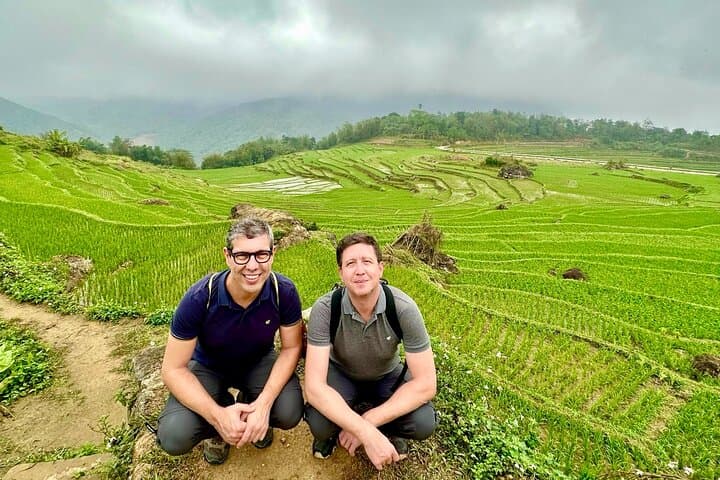

You step off the plane into a humid, fragrant morning and Hanoi greets you with a cacophony of scooters, street-food smoke, and a river of people moving with urgent grace. By dusk the city’s Old Quarter folds into itself—lanterns and lacquered wood framing narrow lanes—and the week ahead begins to feel like a slow, deliberate unspooling of Vietnam’s layers: highland rice, limestone towers, coastal wind, and soot-streaked city history.
You step off the plane into a humid, fragrant morning and Hanoi greets you with a cacophony of scooters, street-food smoke, and a river of people moving with urgent grace. By dusk the city’s Old Quarter folds into itself—lanterns and lacquered wood framing narrow lanes—and the week ahead begins to feel like a slow, deliberate unspooling of Vietnam’s layers: highland rice, limestone towers, coastal wind, and soot-streaked city history.
This 13‑day loop starts in Hanoi and threads north to the karst islands of Ha Long and Lan Ha Bay, then arcs down the coast through the marble cliffs of Da Nang, the lantern-lit alleys of Hoi An, the imperial ruins of Hue, and finally the frenetic energy of Ho Chi Minh City and the watery arteries of the Mekong Delta. Geologically, the tour contrasts Quaternary coastal plains and the dramatic carbonates of Halong Bay—those limestone pillars that have been sculpted by millennia of wind and sea. Culturally it’s just as varied: you’ll cycle among Thai minority farms in Mai Chau, trace Cham influences in central Vietnam, and move through the Nguyen dynasty’s imperial architecture in Hue.
Highlights are tactile and varied: morning Tai Chi on a cruise sundeck in Lan Ha Bay; paddling past floating fishing houses and rock towers; a basket-boat skiff through Hoi An’s Cam Thanh coconut forest; crawling into the claustrophobic, ingenious Cu Chi Tunnels that reveal wartime survival by stealth rather than force. The itinerary balances included comforts—private rooms, domestic flights, an overnight cruise—with active windows: easy villages rides, moderate hikes around Marble Mountain steps, and short kayak legs in sheltered lagoons.
Practical edge: travel days are frequent but not exhausting—the longest coach leg is the Hai Van Pass drive, about 2–3 hours with photo stops. Expect easy elevation changes (most under 200 m) except for brief climbs at Ngu Hanh Son (Marble Mountain). The tour provides many meals (12 breakfasts, multiple lunches and dinners), entrance fees, and local guides; bring cash for markets, tips, and smaller vendors.
When to go: aim for October‑April to avoid the heaviest summer rains and Gulf of Tonkin typhoon risks. Bring quick‑dry layers, reef‑safe sunscreen, and comfortable shoes for mixed surfaces: cobbles, mud, and boat decks. Respect local customs—remove shoes in temples, accept hospitality quietly, and leave no trace in fragile karst and wetland zones.
By the final morning in Ho Chi Minh City, the trip’s tempo has taught you to read Vietnam’s shifts: the ocean dares you, rivers push you forward, and cities keep insisting you pay attention. It’s a route that rewards curiosity and offers a practical, paced approach to the country’s best chapters.