THE ADVENTURE COLLECTIVE® · Independent discovery and booking for outdoor travel

Capture Ulaanbaatar’s hard light and Terelj’s granite silhouettes on a customizable photography tour. From golden-hour cityscapes to night shoots at Sukhbaatar Square, this private service pairs local knowledge with transport to help you find the best frames.
Capture Ulaanbaatar’s hard light and Terelj’s granite silhouettes on a customizable photography tour. From golden-hour cityscapes to night shoots at Sukhbaatar Square, this private service pairs local knowledge with transport to help you find the best frames.
The morning light in Ulaanbaatar has a clarity that slices through the city’s wide avenues — Sukhbaatar Square framed by Soviet-era façades, Buddhist stupas catching the first gold, and the Tuul River threading the steppe beyond.
Verified experiences and guided adventures in the surrounding area.
Operated by Erdene Zorigt · Ulaanbaatar, Ulaanbaatar
The morning light in Ulaanbaatar has a clarity that slices through the city’s wide avenues — Sukhbaatar Square framed by Soviet-era façades, Buddhist stupas catching the first gold, and the Tuul River threading the steppe beyond.
This photography tour moves through that contrast: urban geometry and raw steppe. Guides can tailor shoots across downtown landmarks, rooftop skylines, and the nearby Terelj National Park where granite outcrops like Turtle Rock rise from grassy valleys. The city sits around 1,300 m elevation, so sunlight is bright and shadows are crisp — ideal for both architectural detail and wide, atmospheric landscapes.
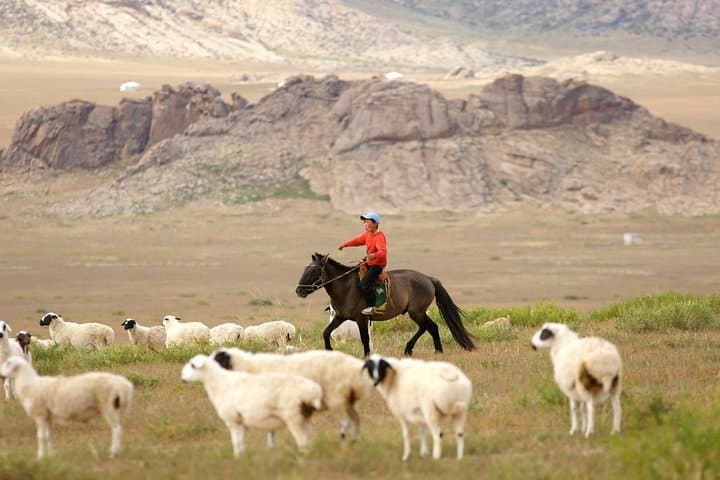
Ulaanbaatar’s story is visible: nomadic culture layered over a 20th-century planned grid, Buddhist monasteries rebuilt after the 1990s revival, and public squares that host daily life. Terelj adds geology — wind-sculpted granite and alpine meadows — and cultural touches like local herders and traditional gers in summer.
Practical guidance: expect a flexible 4–10 hour window. Morning and late afternoon are prime for golden-hour portraits and landscape silhouettes; night sessions favor Sukhbaatar Square, illuminated temples, and long-exposure cityscapes. Private transport simplifies logistics and lets you shift locations to follow light.
Gear and pacing matter: bring spare batteries and large cards, a sturdy travel tripod, and layered clothing for temperature swings between city and higher park elevations. Respect local customs at religious sites, check drone rules in advance, and carry water — the steppe’s sun can dehydrate even on cool days.
Whether you want polished portraits, wide panoramas of Terelj, or moody city nights, this service focuses on customizable shoots and practical support to help you come home with images that stand up to time.
easy.
4–10 hours.
Light activity—mostly walking and short transfers; suitable for most fitness levels
The usual meeting point is the Shangri‑La Mall lobby in central Ulaanbaatar; your guide will confirm details when you book.
Yes — private transport makes a combined urban and Terelj itinerary possible within a full‑day window (4–10 hours); timing depends on how long you want at each site.
Yes — tours are customizable and guides commonly assist with composition and camera settings for all experience levels.
Full refunds are available if you cancel at least 24 hours before the scheduled departure time; confirm specifics when booking.
Ulaanbaatar grew from a nomadic Buddhist encampment into Mongolia’s political center; Soviet-era planning and a post-1990s cultural revival both shape the city’s visual character.
Stay on marked trails in Terelj, avoid disturbing wildlife or herder camps, and follow local guidance on drone use and sacred site etiquette to minimize impact.
Erdene Zorigt operates guided outdoor trips and adventures with an emphasis on safety, stewardship, and memorable experiences.

The morning light in Ulaanbaatar has a clarity that slices through the city’s wide avenues — Sukhbaatar Square framed by Soviet-era façades, Buddhist stupas catching the first gold, and the Tuul River threading the steppe beyond.
The morning light in Ulaanbaatar has a clarity that slices through the city’s wide avenues — Sukhbaatar Square framed by Soviet-era façades, Buddhist stupas catching the first gold, and the Tuul River threading the steppe beyond.
This photography tour moves through that contrast: urban geometry and raw steppe. Guides can tailor shoots across downtown landmarks, rooftop skylines, and the nearby Terelj National Park where granite outcrops like Turtle Rock rise from grassy valleys. The city sits around 1,300 m elevation, so sunlight is bright and shadows are crisp — ideal for both architectural detail and wide, atmospheric landscapes.
Ulaanbaatar’s story is visible: nomadic culture layered over a 20th-century planned grid, Buddhist monasteries rebuilt after the 1990s revival, and public squares that host daily life. Terelj adds geology — wind-sculpted granite and alpine meadows — and cultural touches like local herders and traditional gers in summer.
Practical guidance: expect a flexible 4–10 hour window. Morning and late afternoon are prime for golden-hour portraits and landscape silhouettes; night sessions favor Sukhbaatar Square, illuminated temples, and long-exposure cityscapes. Private transport simplifies logistics and lets you shift locations to follow light.
Gear and pacing matter: bring spare batteries and large cards, a sturdy travel tripod, and layered clothing for temperature swings between city and higher park elevations. Respect local customs at religious sites, check drone rules in advance, and carry water — the steppe’s sun can dehydrate even on cool days.
Whether you want polished portraits, wide panoramas of Terelj, or moody city nights, this service focuses on customizable shoots and practical support to help you come home with images that stand up to time.