THE ADVENTURE COLLECTIVE® · Independent discovery and booking for outdoor travel

Walk Uji’s tea fields, sip the highest-grade gyokuro, and visit Ujigami, Koshoji and Byodoin on a focused four-hour private tour. Expect stairs, small-group intimacy, and deep cultural context blending tea craft with Zen history.
Walk Uji’s tea fields, sip the highest-grade gyokuro, and visit Ujigami, Koshoji and Byodoin on a focused four-hour private tour. Expect stairs, small-group intimacy, and deep cultural context blending tea craft with Zen history.
Morning light slices across terraces of bright green as you step out onto Uji's narrow lanes—tea steam rising from shop windows, the Uji River nudging at stone embankments as if urging you onward.
Verified experiences and guided adventures in the surrounding area.
Operated by Pinpoint Traveler, Inc · Uji, Kyoto Prefecture
Morning light slices across terraces of bright green as you step out onto Uji's narrow lanes—tea steam rising from shop windows, the Uji River nudging at stone embankments as if urging you onward.
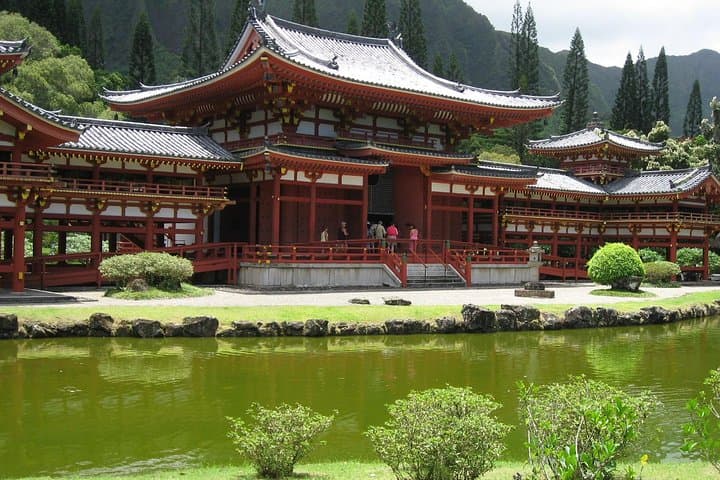
This private four-hour route threads together Japan's tea-making heart and its oldest religious sites. Uji is where cultivated Camellia sinensis found ideal soil and microclimate; centuries of careful pruning, shade-growing, and stone-milled processing created the matcha many travelers seek. The tour visits a gyokuro tasting, Ujigami Shrine (often cited as Japan's oldest original shrine), Koshoji's Soto Zen spaces, and the Heian-era Byodoin, whose Phoenix Hall stands above a man-made pond and appears on the 10 yen coin.
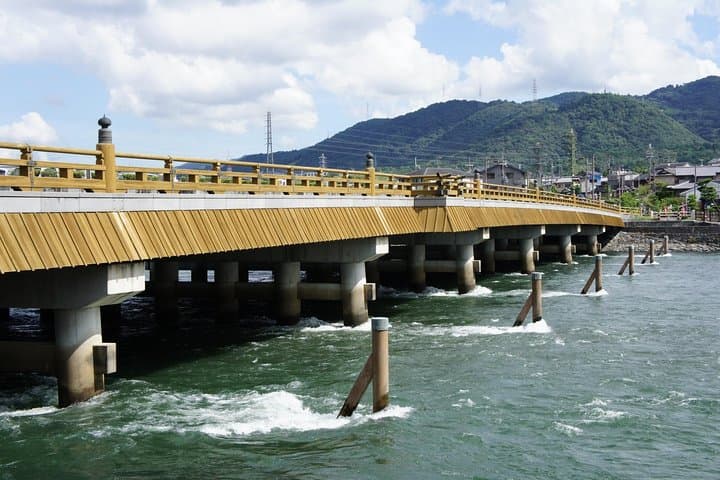
Along the way you'll walk a historic pilgrimage street scented with roasted tea and wafting sweets, cross a small island where cormorant fishing once ferried goods downstream, and learn how spring water and river sediment shaped local agriculture and trade.
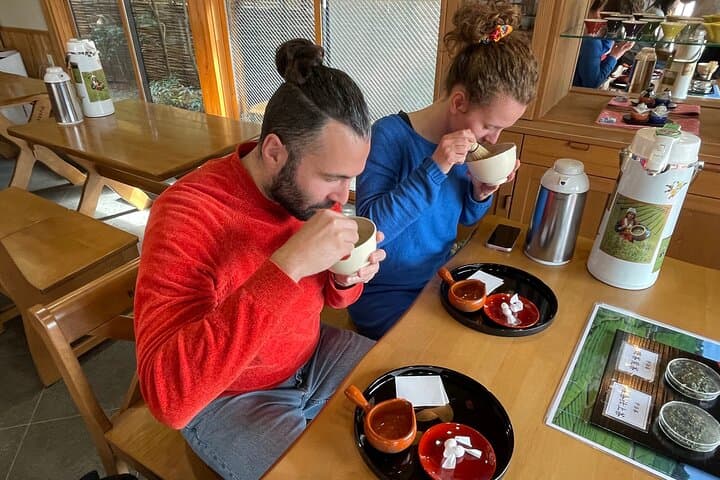
Practical guidance: expect multiple flights of stairs and short walking sections on uneven stone paths; moderate fitness is required. Arrive with comfortable, non-slip shoes and leave large backpacks at your Kyoto lodging. The gyokuro session is deliberate—arrive curious and ready to taste very concentrated, shaded tea and a small sweet.
Timing matters: mornings are quieter at Byodoin and cooler in summer; late afternoons cast better light for photographs. Respect temple etiquette, keep voices low, and budget time to browse century-old tea shops on the approach to the temple complex.
moderate.
4 hours.
Moderate — able to walk 2–3 miles with stairs and stand during tastings
The tour is about four hours with several short walks between sites and multiple sets of stairs; plan for roughly 2–3 miles of walking at an easy to moderate pace.
Yes. Admissions to the listed temples and the Byodoin museum are included with the tour price.
Families and older travelers can join, but the itinerary includes stairs and uneven surfaces—notify the operator about mobility needs so adjustments can be made.
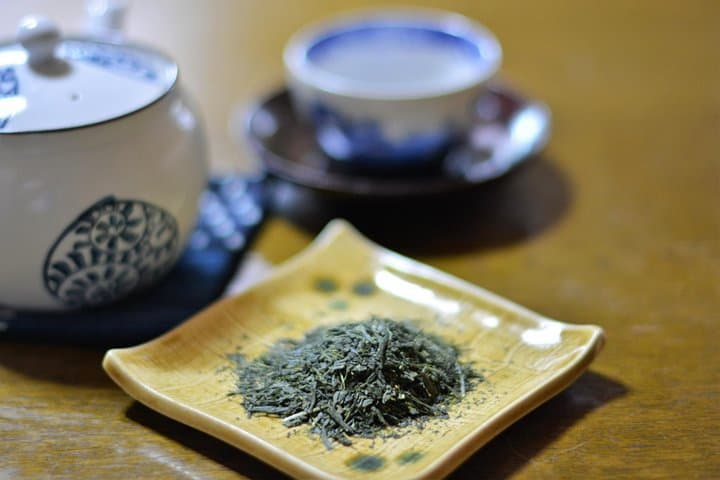
Yes. The itinerary includes a gyokuro tasting and a traditional sweet; expect an intimate, guided tea session rather than casual café sampling.
Uji's prominence rose in the Heian period as tea, sake, and trade goods flowed between Kyoto and Nara; Byodoin dates to 1052 and marks the area's cultural apex.
Local tea farms practice meticulous land stewardship; visitors are encouraged to avoid trampling fields, dispose of waste properly, and support shops using sustainable tea-processing methods.
Pinpoint Traveler, Inc operates guided outdoor trips and adventures with an emphasis on safety, stewardship, and memorable experiences.
Morning light slices across terraces of bright green as you step out onto Uji's narrow lanes—tea steam rising from shop windows, the Uji River nudging at stone embankments as if urging you onward.
Morning light slices across terraces of bright green as you step out onto Uji's narrow lanes—tea steam rising from shop windows, the Uji River nudging at stone embankments as if urging you onward.
This private four-hour route threads together Japan's tea-making heart and its oldest religious sites. Uji is where cultivated Camellia sinensis found ideal soil and microclimate; centuries of careful pruning, shade-growing, and stone-milled processing created the matcha many travelers seek. The tour visits a gyokuro tasting, Ujigami Shrine (often cited as Japan's oldest original shrine), Koshoji's Soto Zen spaces, and the Heian-era Byodoin, whose Phoenix Hall stands above a man-made pond and appears on the 10 yen coin.
Along the way you'll walk a historic pilgrimage street scented with roasted tea and wafting sweets, cross a small island where cormorant fishing once ferried goods downstream, and learn how spring water and river sediment shaped local agriculture and trade.
Practical guidance: expect multiple flights of stairs and short walking sections on uneven stone paths; moderate fitness is required. Arrive with comfortable, non-slip shoes and leave large backpacks at your Kyoto lodging. The gyokuro session is deliberate—arrive curious and ready to taste very concentrated, shaded tea and a small sweet.
Timing matters: mornings are quieter at Byodoin and cooler in summer; late afternoons cast better light for photographs. Respect temple etiquette, keep voices low, and budget time to browse century-old tea shops on the approach to the temple complex.