THE ADVENTURE COLLECTIVE® · Independent discovery and booking for outdoor travel

Walk from Uji’s temple-lined streets into Wazuka’s green terraces on a private day tour that mixes matcha tasting, tea-farm walks, and a traditional ceremony. Learn harvesting and processing from multi-generation farmers and taste ceremonial-grade matcha at the source.
Walk from Uji’s temple-lined streets into Wazuka’s green terraces on a private day tour that mixes matcha tasting, tea-farm walks, and a traditional ceremony. Learn harvesting and processing from multi-generation farmers and taste ceremonial-grade matcha at the source.
A soft green light filters through low clouds as you step off the van onto a narrow lane that threads through terraced tea fields. The air carries a vegetal sweetness; rows of clipped tea bushes rise and fall like the back of a sleeping animal. Your guide leads you toward a farmhouse where steam from a freshly made pot of matcha lifts in a precise, grassy aroma.
Verified experiences and guided adventures in the surrounding area.
Operated by Matcha Tourism · Uji, Kyoto Prefecture
A soft green light filters through low clouds as you step off the van onto a narrow lane that threads through terraced tea fields. The air carries a vegetal sweetness; rows of clipped tea bushes rise and fall like the back of a sleeping animal. Your guide leads you toward a farmhouse where steam from a freshly made pot of matcha lifts in a precise, grassy aroma.
This route links Uji — home to Byōdō-in, a 11th-century Buddhist temple that shaped Kyoto-era aesthetics — with Wazuka, a compact town whose steep hills have produced ceremonial-grade tea for centuries. The local soils are volcanic and well-drained, and the microclimate of the Uji River valley delivers cool nights and misty mornings ideal for shading and concentrating flavor.
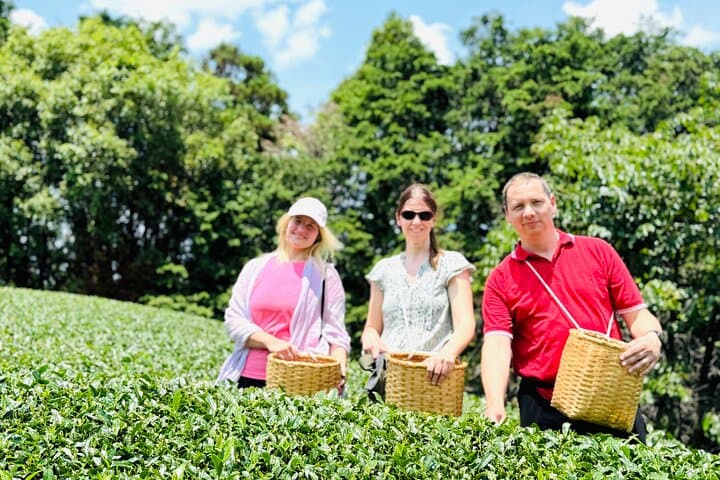
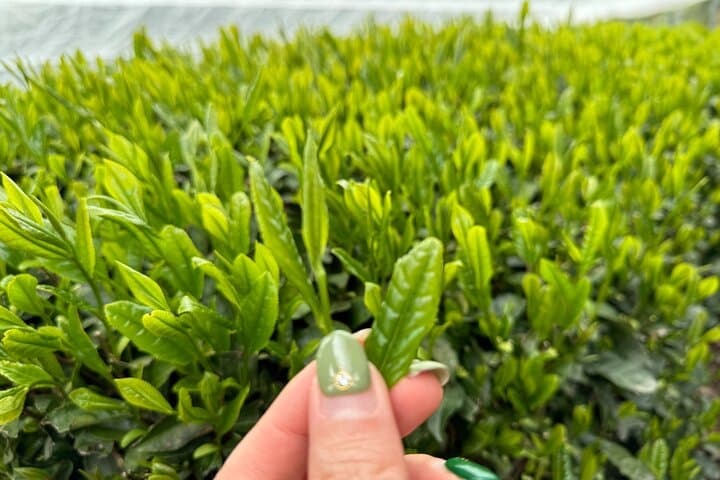
Expect a balance of cultural immersion and hands-on craft: a stroll through fields, a demo of hand-harvesting and leaf-processing, a multi-sample matcha tasting, and an opportunity for a traditional tea ceremony in a private setting. Farmers often explain seasonal pruning and sustainable practices that preserve soil health and flavor.
Practical notes: farm access can be uneven and muddy; wear grippy shoes and layer for sudden rain. Bring cash if you plan to buy fresh, small-batch matcha directly from growers. Plan arrival and departure times around sunlight — misty mornings show the fields at their most dramatic, while late afternoon highlights the contours of the valley.
This private tour pairs quiet agricultural craft with century-spanning history, giving a clear, tactile window into why Uji and Wazuka remain central to Japan’s tea culture.
moderate.
6–7 hours.
Moderate fitness for several hours of standing and walking on uneven terrain; stair-free but not wheelchair-friendly at farms.
Expect several short walks across fields and village lanes; each stop involves 10–30 minutes on foot with uneven surfaces.
Yes—families are welcome but infants must sit on laps; some farm areas are not stroller-friendly and routes include unpaved paths.
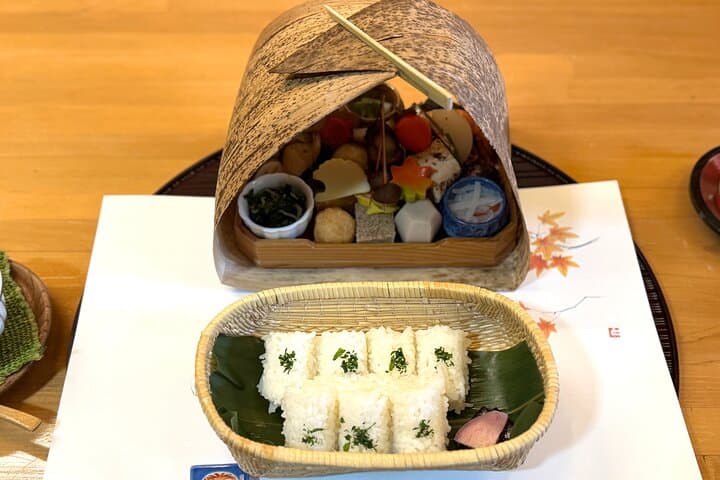
Vegetarian options are available with advance request; notify the operator about allergies when booking.
Yes, many farms sell small-batch matcha directly; bring cash for quicker transactions and to support growers.
Uji’s reputation as a tea center grew in the Heian period; Byōdō-in’s cultural prominence helped establish ceremonial tea traditions later refined in Kyoto. Wazuka’s tea cultivation intensified in the medieval era and supplied high-grade tea to elite households.
Many farms practice integrated pest management and careful pruning to maintain soil health; visitors are asked to stay on paths and avoid trampling young bushes.
Matcha Tourism operates guided outdoor trips and adventures with an emphasis on safety, stewardship, and memorable experiences.
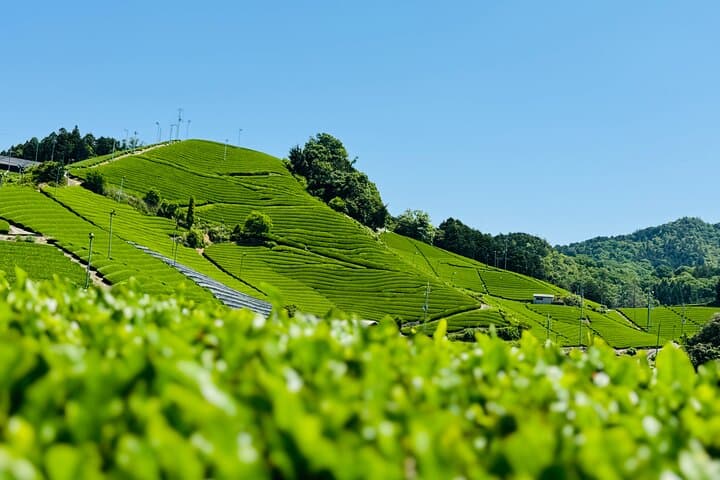
A soft green light filters through low clouds as you step off the van onto a narrow lane that threads through terraced tea fields. The air carries a vegetal sweetness; rows of clipped tea bushes rise and fall like the back of a sleeping animal. Your guide leads you toward a farmhouse where steam from a freshly made pot of matcha lifts in a precise, grassy aroma.
A soft green light filters through low clouds as you step off the van onto a narrow lane that threads through terraced tea fields. The air carries a vegetal sweetness; rows of clipped tea bushes rise and fall like the back of a sleeping animal. Your guide leads you toward a farmhouse where steam from a freshly made pot of matcha lifts in a precise, grassy aroma.
This route links Uji — home to Byōdō-in, a 11th-century Buddhist temple that shaped Kyoto-era aesthetics — with Wazuka, a compact town whose steep hills have produced ceremonial-grade tea for centuries. The local soils are volcanic and well-drained, and the microclimate of the Uji River valley delivers cool nights and misty mornings ideal for shading and concentrating flavor.
Expect a balance of cultural immersion and hands-on craft: a stroll through fields, a demo of hand-harvesting and leaf-processing, a multi-sample matcha tasting, and an opportunity for a traditional tea ceremony in a private setting. Farmers often explain seasonal pruning and sustainable practices that preserve soil health and flavor.
Practical notes: farm access can be uneven and muddy; wear grippy shoes and layer for sudden rain. Bring cash if you plan to buy fresh, small-batch matcha directly from growers. Plan arrival and departure times around sunlight — misty mornings show the fields at their most dramatic, while late afternoon highlights the contours of the valley.
This private tour pairs quiet agricultural craft with century-spanning history, giving a clear, tactile window into why Uji and Wazuka remain central to Japan’s tea culture.