THE ADVENTURE COLLECTIVE® · Independent discovery and booking for outdoor travel

Drive from Kampala to Kayabwe and stand astride the Equator for a hands-on geography demo, a local lunch, and souvenir shopping. This accessible day trip blends roadside culture, simple science, and easy logistics—ideal for first-time visitors to Uganda.
Drive from Kampala to Kayabwe and stand astride the Equator for a hands-on geography demo, a local lunch, and souvenir shopping. This accessible day trip blends roadside culture, simple science, and easy logistics—ideal for first-time visitors to Uganda.
The sun sits low over the Mpigi-Masaka highway as the minivan hums south from Kampala, fields sliding past like pages in a slow-moving book. After roughly three hours of village scenes—mud-brick homes, banana groves, children waving—the road flattens and a painted line cuts the landscape: the Equator at Kayabwe. Guides lead visitors across that invisible zero latitude and stage the familiar water-and-basin demonstration that teases the senses and sparks questions about Coriolis and hemispheres.
Verified experiences and guided adventures in the surrounding area.
Operated by MuAfrika Adventures Ltd · Kayabwe, Mpigi
The sun sits low over the Mpigi-Masaka highway as the minivan hums south from Kampala, fields sliding past like pages in a slow-moving book. After roughly three hours of village scenes—mud-brick homes, banana groves, children waving—the road flattens and a painted line cuts the landscape: the Equator at Kayabwe. Guides lead visitors across that invisible zero latitude and stage the familiar water-and-basin demonstration that teases the senses and sparks questions about Coriolis and hemispheres.
This roadside landmark sits where the Earth's equatorial line bisects central Uganda. The monument and the guided “equator experiment” are modern curiosities layered atop centuries of local agriculture and colonial mapping. Geologically the region is gentle—rolling lowlands shaped by fertile volcanic soils and drainage toward nearby Lake Victoria—so the experience is more cultural and tactile than alpine or rugged.
Visitors can pair the stop with a straightforward, authentic Ugandan lunch at a nearby restaurant and browse small craft stalls for wood carvings and woven goods. Local guides provide context, certificates and ample photo opportunities; the site’s busiest hours are midday when groups arrive from Kampala.
Practical guidance: expect five hours total including transport; wear breathable sun protection and bring water for the drive. Carry small bills for crafts and tipping—transactions are informal. The walk at the marker is short and flat, wheelchair accessible, but sun exposure is direct. Plan morning departures to avoid the hottest part of the day and coordinate pickup times precisely with your operator.
easy.
5 hours.
Suitable for all fitness levels—most time is spent sitting during transport with a short flat walk at the site.
Expect about a three-hour drive each way; the full tour including lunch typically takes around five hours.
Local guides demonstrate small water and balancing experiments that illustrate differences claimed between hemispheres and explain the geographic significance of the equator.
Yes—the equator site and immediate paths are wheelchair accessible, and transport options can accommodate mobility needs if requested in advance.
Yes—there are several small craft stalls selling carvings, textiles and trinkets; carry cash for purchases and bargaining is informal.
The Kayabwe marker highlights where zero latitude crosses Uganda; the site developed as a visitor attraction in the 20th century combining local entrepreneurship with geographic curiosity.
Visitors should minimize waste, buy from local vendors to support the community, and avoid disturbing roadside vegetation and wildlife.
MuAfrika Adventures Ltd operates guided outdoor trips and adventures with an emphasis on safety, stewardship, and memorable experiences.
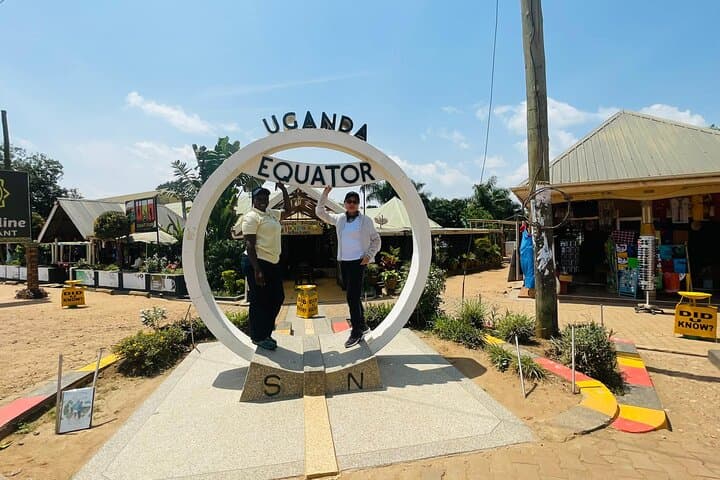
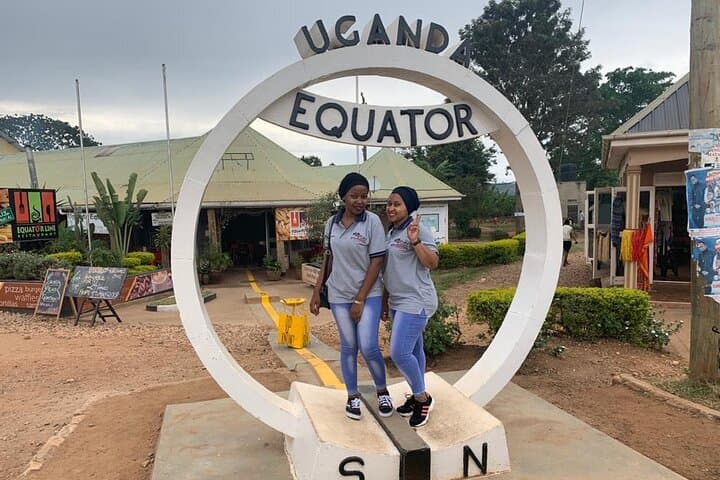
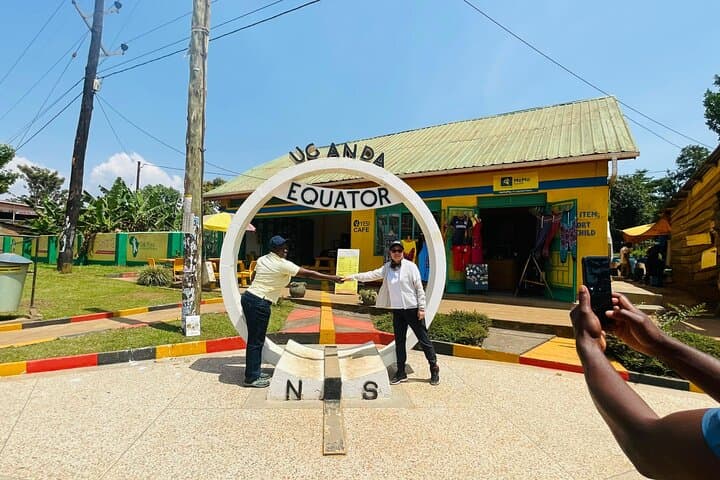
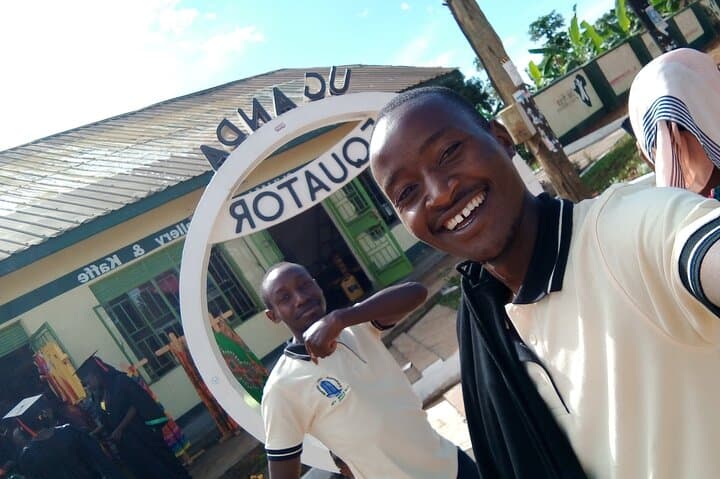
The sun sits low over the Mpigi-Masaka highway as the minivan hums south from Kampala, fields sliding past like pages in a slow-moving book. After roughly three hours of village scenes—mud-brick homes, banana groves, children waving—the road flattens and a painted line cuts the landscape: the Equator at Kayabwe. Guides lead visitors across that invisible zero latitude and stage the familiar water-and-basin demonstration that teases the senses and sparks questions about Coriolis and hemispheres.
The sun sits low over the Mpigi-Masaka highway as the minivan hums south from Kampala, fields sliding past like pages in a slow-moving book. After roughly three hours of village scenes—mud-brick homes, banana groves, children waving—the road flattens and a painted line cuts the landscape: the Equator at Kayabwe. Guides lead visitors across that invisible zero latitude and stage the familiar water-and-basin demonstration that teases the senses and sparks questions about Coriolis and hemispheres.
This roadside landmark sits where the Earth's equatorial line bisects central Uganda. The monument and the guided “equator experiment” are modern curiosities layered atop centuries of local agriculture and colonial mapping. Geologically the region is gentle—rolling lowlands shaped by fertile volcanic soils and drainage toward nearby Lake Victoria—so the experience is more cultural and tactile than alpine or rugged.
Visitors can pair the stop with a straightforward, authentic Ugandan lunch at a nearby restaurant and browse small craft stalls for wood carvings and woven goods. Local guides provide context, certificates and ample photo opportunities; the site’s busiest hours are midday when groups arrive from Kampala.
Practical guidance: expect five hours total including transport; wear breathable sun protection and bring water for the drive. Carry small bills for crafts and tipping—transactions are informal. The walk at the marker is short and flat, wheelchair accessible, but sun exposure is direct. Plan morning departures to avoid the hottest part of the day and coordinate pickup times precisely with your operator.