THE ADVENTURE COLLECTIVE® · Independent discovery and booking for outdoor travel

Spend four days navigating Bwindi’s dense slopes in search of mountain gorillas. This practical guide covers what to expect on the trail, cultural context, and the gear and fitness needed for a safe, rewarding trek.
Spend four days navigating Bwindi’s dense slopes in search of mountain gorillas. This practical guide covers what to expect on the trail, cultural context, and the gear and fitness needed for a safe, rewarding trek.
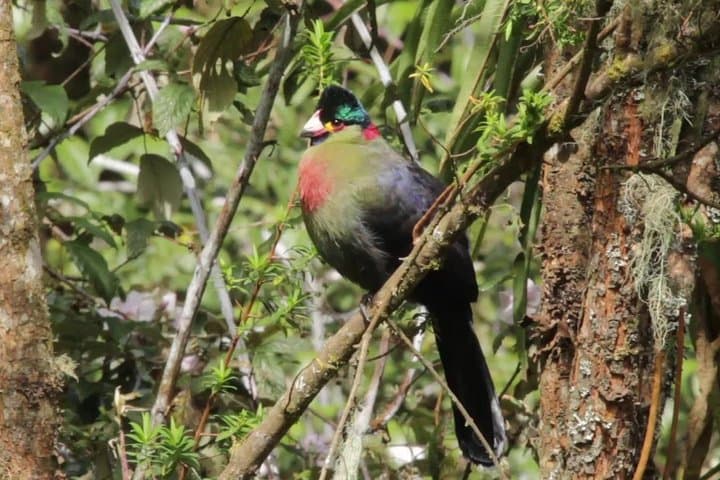
Morning mist clings to the broad-leaved forest as trackers lead a small group onto a narrow footpath; fern fronds sweep at shoulder height and the undergrowth parts like a living wall. The trek begins with that close, humid hush—birds call overhead, and every footfall wakes the forest.
Verified experiences and guided adventures in the surrounding area.
Operated by Neza SAFARIS · Kisoro, Kisoro District
Morning mist clings to the broad-leaved forest as trackers lead a small group onto a narrow footpath; fern fronds sweep at shoulder height and the undergrowth parts like a living wall. The trek begins with that close, humid hush—birds call overhead, and every footfall wakes the forest.
Bwindi Impenetrable and the Virunga foothills are ancient landscapes carved by volcanic activity and heavy equatorial rainfall. Granite outcrops, steep ridges and deep ravines define routes that human cultures have navigated for generations; local Batwa and Bakiga communities have long histories tied to these slopes and now participate in guiding and conservation.
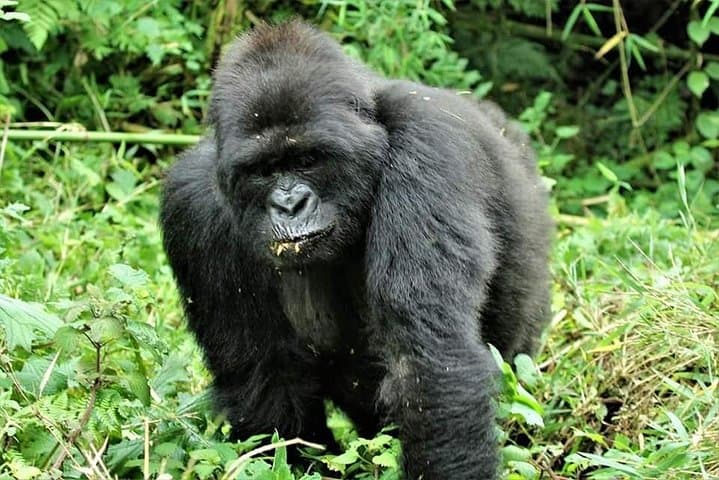
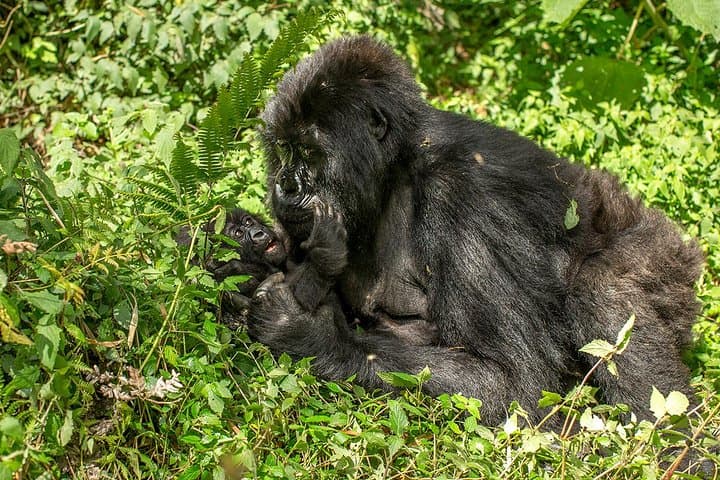
Expect uneven, often muddy trails, tangled roots and climbs that can gain several hundred meters in elevation in a short distance. Gorilla groups move unpredictably; a day can range from a gentle walk to a steep, sweat-soaked bushwhack. Sightings are intimate—silverbacks will watch you with a deliberate curiosity—and ranger briefings emphasize safety and a strict one-hour observation rule.
Practical guidance: book permits well in advance and travel with licensed guides. Bring layered clothing, waterproof boots and gaiters; plan for 2–8 hours of hiking at elevations from roughly 1,100–2,600 meters. Carry water, snacks and a compact rain shell; trekking poles help on steep descents. Respect the forest: stay with your guide, keep distance from gorillas, and follow local advice about interactions and tipping. With preparation, a four-day itinerary that includes travel time from Kampala or Entebbe delivers one of Africa’s most memorable wildlife encounters.
moderate.
2–8 hours (trek per day); 4 days total for the itinerary.
Should be in good ambulatory shape—able to hike steep, uneven trails and tolerate humidity and altitude changes
Yes—permits are required and limited; they must be purchased ahead of travel through Uganda Wildlife Authority or licensed operators.
A moderate level of fitness is recommended—treks can be long and involve steep, uneven terrain at elevation.
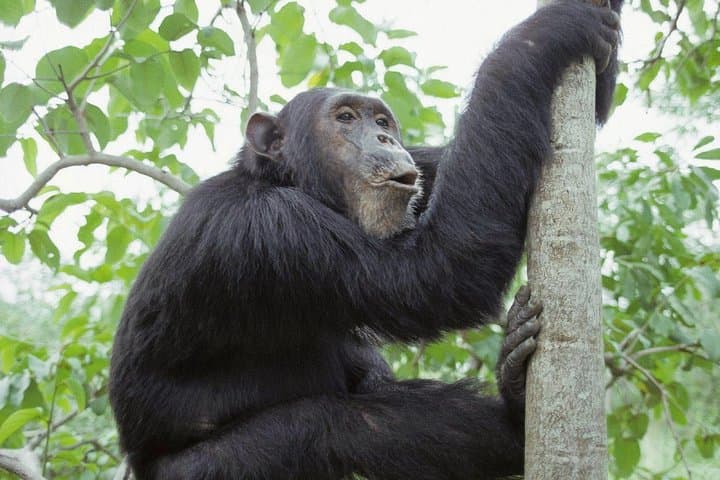
Expect forest birds, black-and-white colobus monkeys, and possibly forest duikers or elephants in some sectors.
Trails range around 1,100–2,600 meters; most travelers acclimatize en route, but take it steady if you are sensitive to elevation.
The region’s forests have supported indigenous Batwa hunter-gatherers and later agricultural settlements; conservation efforts in the 1990s established protected zones and community tourism partnerships.
Gorilla trekking revenue supports anti-poaching patrols and local community projects; visitors should minimize impact by following rangers’ rules and avoiding plastic waste.
Neza SAFARIS operates guided outdoor trips and adventures with an emphasis on safety, stewardship, and memorable experiences.
Morning mist clings to the broad-leaved forest as trackers lead a small group onto a narrow footpath; fern fronds sweep at shoulder height and the undergrowth parts like a living wall. The trek begins with that close, humid hush—birds call overhead, and every footfall wakes the forest.
Morning mist clings to the broad-leaved forest as trackers lead a small group onto a narrow footpath; fern fronds sweep at shoulder height and the undergrowth parts like a living wall. The trek begins with that close, humid hush—birds call overhead, and every footfall wakes the forest.
Bwindi Impenetrable and the Virunga foothills are ancient landscapes carved by volcanic activity and heavy equatorial rainfall. Granite outcrops, steep ridges and deep ravines define routes that human cultures have navigated for generations; local Batwa and Bakiga communities have long histories tied to these slopes and now participate in guiding and conservation.
Expect uneven, often muddy trails, tangled roots and climbs that can gain several hundred meters in elevation in a short distance. Gorilla groups move unpredictably; a day can range from a gentle walk to a steep, sweat-soaked bushwhack. Sightings are intimate—silverbacks will watch you with a deliberate curiosity—and ranger briefings emphasize safety and a strict one-hour observation rule.
Practical guidance: book permits well in advance and travel with licensed guides. Bring layered clothing, waterproof boots and gaiters; plan for 2–8 hours of hiking at elevations from roughly 1,100–2,600 meters. Carry water, snacks and a compact rain shell; trekking poles help on steep descents. Respect the forest: stay with your guide, keep distance from gorillas, and follow local advice about interactions and tipping. With preparation, a four-day itinerary that includes travel time from Kampala or Entebbe delivers one of Africa’s most memorable wildlife encounters.